2026-07-20
Early Cataract Symptoms: Can Eyedrops Slow Progression? | Gangnam Station Eye Clinic
If you're experiencing double vision or glare, you might have early cataracts. Learn if eyedrops can help and when to consider surgery.
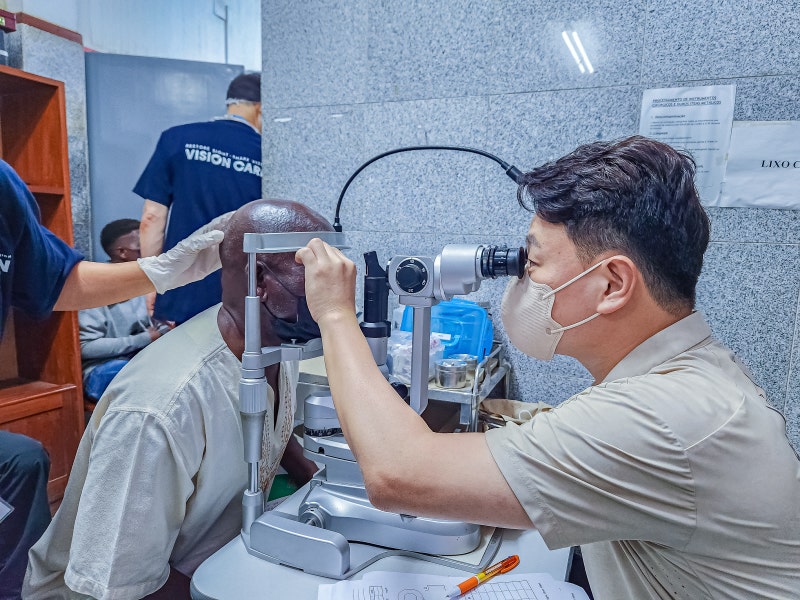

Hello. This is Gangnam Station Eye Clinic,
Gangnam Smile Eye Clinic 😊💙
If you've recently started experiencing double vision,
or feeling glare and discomfort in bright environments,
even if you feel fine now, it's possible that early cataracts have begun.
Many people are told by doctors that ‘surgery is not yet necessary’.
However, it's also true that leaving it untreated causes anxiety,
and concerns about its progression.
At such times, the most common question is:
Can medication or eyedrops slow the progression of cataracts?
Today, we'll take some time to delve into this question in detail.
How are early cataracts managed?

Since early cataracts do not cause severe vision loss,
they are managed by observing the progression through medication or eyedrop prescriptions,
and lifestyle improvements, rather than surgery.
However, current cataract eyedrops cannot eliminate the cloudiness
or fundamentally treat the disease.
They are primarily used as an auxiliary treatment before and after surgery, or to alleviate dry eyes
or other conditions.
Cataracts are a condition where proteins in the lens change and clump together,
reducing its transparency.
Therefore, restoring already damaged proteins to their original state with medication alone
is currently almost impossible.
It's difficult for medication to sufficiently reach the lens, which is a deep part of the eye, by passing through the cornea,
and there are no proven drugs that can make denatured proteins transparent again.
In other words, the fundamental treatment for cataracts is
surgery to remove the cloudy lens and replace it with an artificial intraocular lens (IOL).
So, after experiencing early cataract symptoms,
when should one stop using eyedrops and consider cataract surgery?
Early Cataract Symptoms: When should surgery be considered?

Cataracts progress slowly,
so you might not notice the symptoms at first, but
as your vision gradually becomes blurry, and glare or light sensitivity worsens,
daily activities become increasingly restricted.
For example,
✅difficulty seeing road signs while driving,
✅blurry text when reading the Bible or other books,
✅blurry vision and discomfort when using a smartphone,
✅or difficulty seeing ahead due to scattered headlight glare during night driving
are all signs that surgery should be seriously considered.
Rather than judging solely by vision numbers,
it's best to consider your occupation, living environment, and desired level of vision
when making a decision.
Especially if you have other eye conditions such as diabetes, glaucoma, or macular degeneration,
undergoing surgery before cataracts worsen further
can aid in subsequent treatments or examinations.
Early Cataract Symptoms: How is the surgery performed?

Cataract surgery involves removing the cloudy lens
and inserting an artificial intraocular lens (IOL).
The surgery for one eye typically takes about 10-30 minutes,
followed by about an hour in the recovery room to check eye pressure and any adverse reactions.
The inserted IOL is
custom-selected based on the patient's lifestyle, eye condition, and desired vision.
Monofocal IOLs are lenses that focus on
only one distance, either far or near.
They cause less glare, are quick to adapt to,
and allow for a fast return to daily life after surgery.
However, since only one vision distance is corrected,
glasses are needed for the other distances.
They are suitable for those sensitive to glare
and those who frequently drive at night.
Multifocal IOLs are lenses that simultaneously focus on
various distances, from near to far.
They can improve both cataracts and presbyopia,
making glasses almost unnecessary.
However, they may cause glare at night
or reduced contrast sensitivity,
so they should be carefully considered for those who work in dark environments
or drive frequently.
Early Cataract Symptoms, at Gangnam Station Eye Clinic
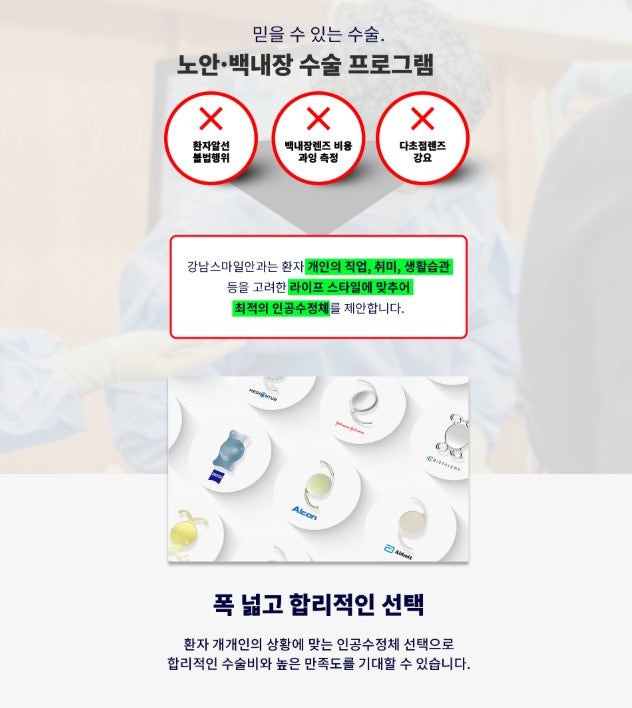
Early cataracts may not yet require surgery,
but lifestyle improvements and regular check-ups are essential to prevent progression.
Currently, there is no treatment that can reverse cataracts
with medication or eyedrops alone.
Therefore, it's important to continuously monitor your condition through regular ophthalmological check-ups.
If symptoms have progressed to the point of causing daily discomfort,
surgery is the most effective treatment,
and can significantly improve your quality of life.
Please consider your eye condition and living environment carefully,
and consult with an ophthalmologist to determine the appropriate timing for surgery
and the type of IOL.

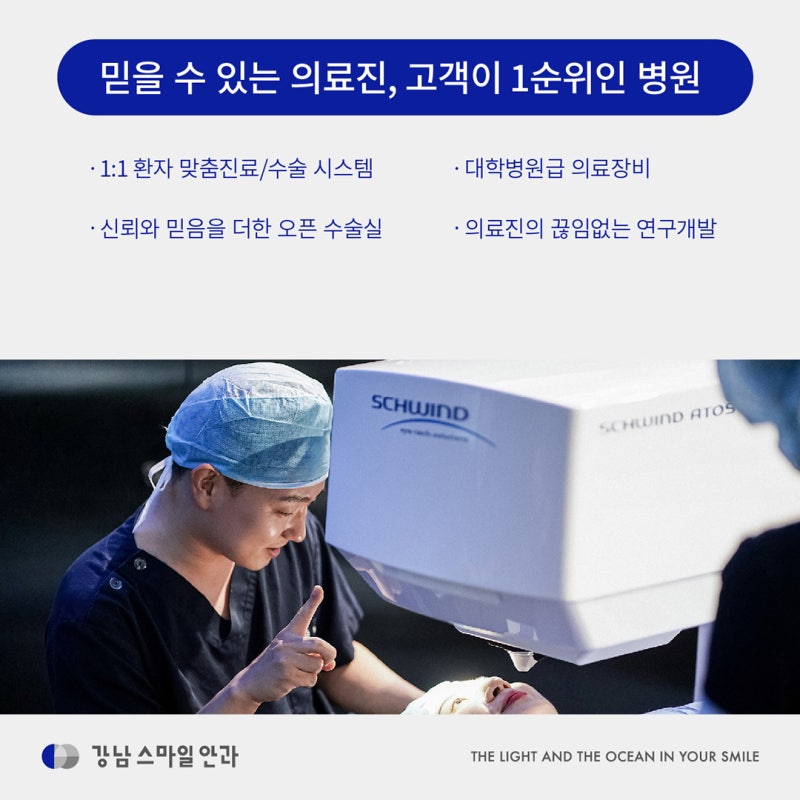
Gangnam Station Eye Clinic, Gangnam Smile Eye Clinic, always
prioritizes transparent treatment and safety.
Cataract surgery, in particular, requires careful selection of the IOL based on a thorough understanding of the patient
through sufficient dialogue with the patient.
Therefore, it is crucial to avoid factory-style eye clinics and seek a hospital that provides
ample consultation with the medical staff.
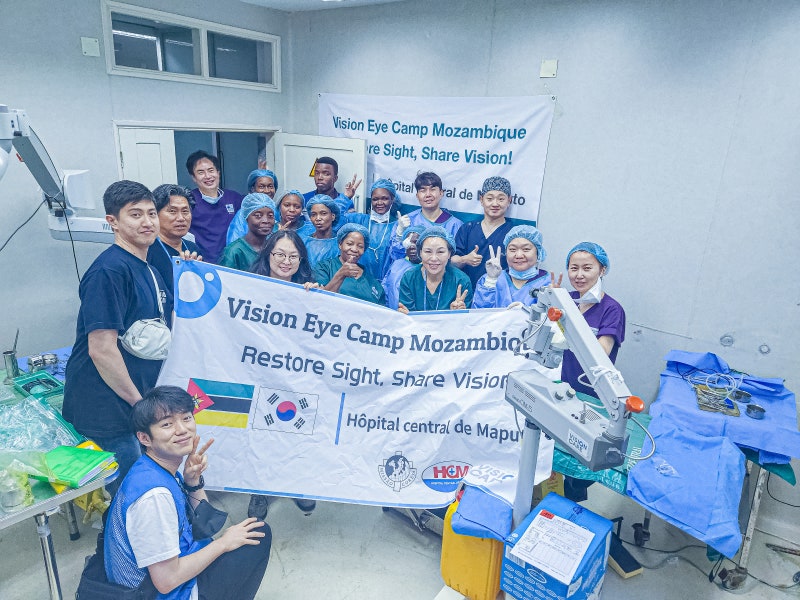
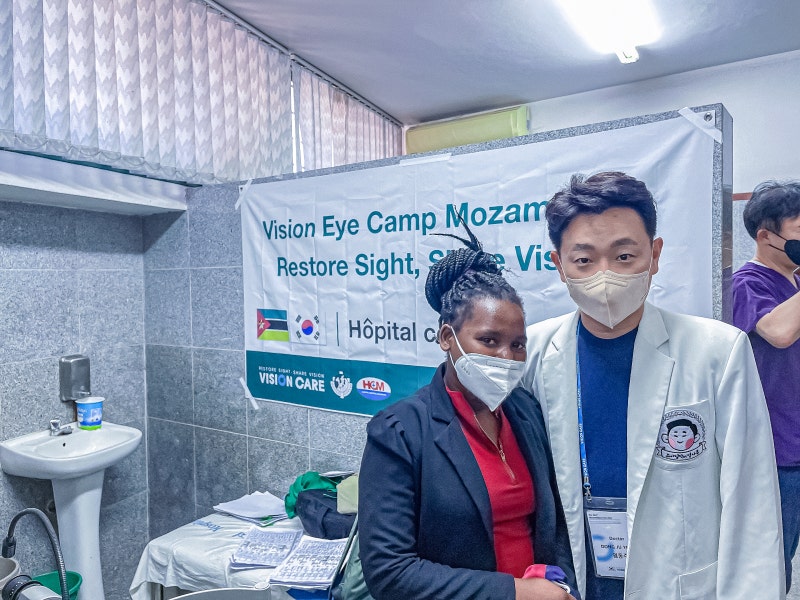
Gangnam Smile Eye Clinic embodies the value that people come first.
Led by Dr. Yeom Dong-ju, who was selected as one of Korea's Top 100 Doctors,
we have served patients in medically underserved areas both domestically and internationally,
and have encountered various cases of presbyopia and cataract surgery.
Furthermore, we are equipped with university hospital-level state-of-the-art equipment and a systematic system,
and provide sincere, personalized 1:1 consultations and surgeries for each patient.
💙 Smile Surgery is indeed at Gangnam Smile Eye Clinic 💙
💙🤍 𝖦𝖠𝖭𝖦𝖭𝖠𝖬 𝖲𝖬𝖨𝖫𝖤 𝖤𝖸𝖤 𝖢𝖫𝖨𝖭𝖨𝖢💙🤍
𝗧𝗛𝗘 𝗟𝗜𝗚𝗛𝗧 𝗔𝗡𝗗 𝗧𝗛𝗘 𝗢𝗖𝗘𝗔𝗡 𝗜𝗡 𝗬𝗢𝗨𝗥 𝗦𝗠𝗜𝗟𝗘













Frequently Asked Questions
Can cataract eye drops slow down its progression?
No, current cataract eye drops cannot eliminate cloudiness or fundamentally treat the disease. They are primarily used as an adjunctive treatment before and after surgery or to alleviate other eye conditions, and cannot repair damaged proteins.
What are the early symptoms of cataracts?
Objects may appear double, or you might experience glare and discomfort in bright environments. Blurred vision or severe light scattering are also early symptoms.
When should cataract surgery be considered?
You should consider surgery if you experience discomfort in daily life, such as not being able to see road signs while driving, blurry text when reading, or severe glare during night driving. Not only visual acuity but also an individual's lifestyle is important.
How long does cataract surgery take?
The surgery takes approximately 10 to 30 minutes per eye. After the surgery, you will remain in the recovery room for about an hour to check intraocular pressure and any adverse reactions.
How is an intraocular lens selected for cataract surgery?
The choice is customized considering the patient's lifestyle, eye condition, and expected vision. There are monofocal lenses that correct only one focal point (distance/near) and multifocal lenses that correct multiple focal points simultaneously.