2026-09-03
Deep Cheek Sagging Thread Lift: Most Reasons for Shortened Duration Start Here
Many people find their thread lift results diminish quickly. This article explains why, focusing on the importance of addressing deep cheek sagging for lasting effects.

※ This article is for the purpose of providing medical information.
It is not subject to deliberation under Article 56, Paragraph 2 and Article 57 of the Medical Act,
and is not an advertising post unrelated to the content of deliberation.
Hello,
I am Dr. Park Jeong-geun,
Director of Face Plus Plastic Surgery Clinic for deep cheek sagging thread lifts.

Some people say that after getting a thread lift,
their face seems to sag again in less than 6 months.
Was the procedure itself flawed,
or is my skin particularly problematic?

Many people worry about this,
but in fact, the reason for a shortened duration
mostly stems from one thing:
The procedure was performed without properly addressing deep cheek sagging.
Table of Contents | ||
1. What is deep cheek sagging? 2. Why is the duration shortened? 3. Procedure methods for deep cheek sagging 4. Things to check before the procedure |
1. What is deep cheek sagging?
Facial sagging isn't just about the skin stretching.
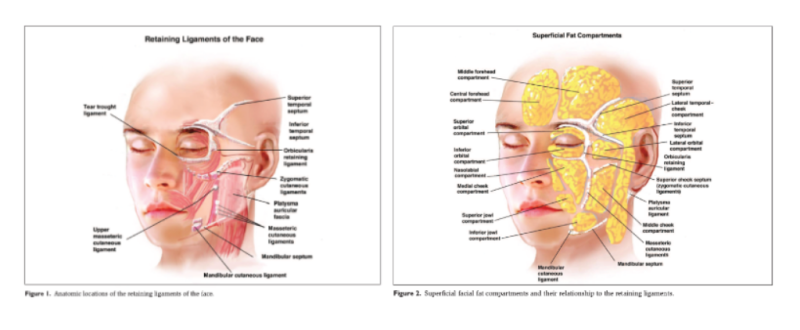
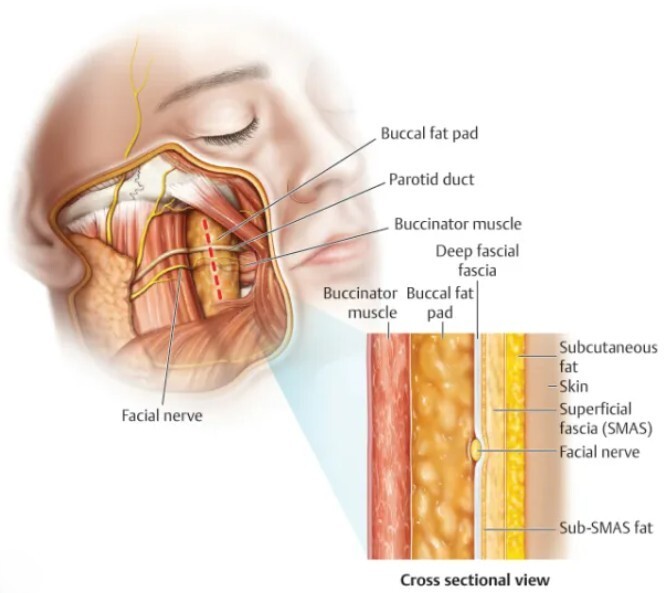
Below the skin is a fat layer,
and below that is a tissue called the fascia.
When the deep fat below this fascial layer descends,
it's called deep cheek sagging.
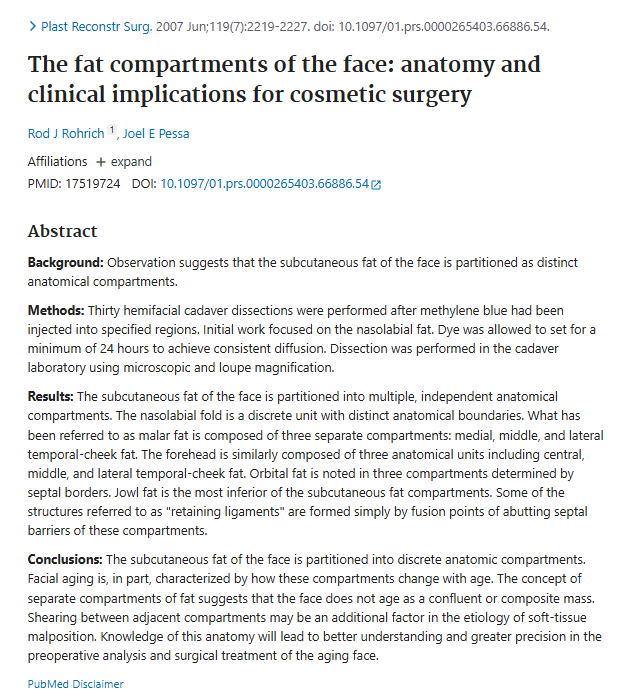
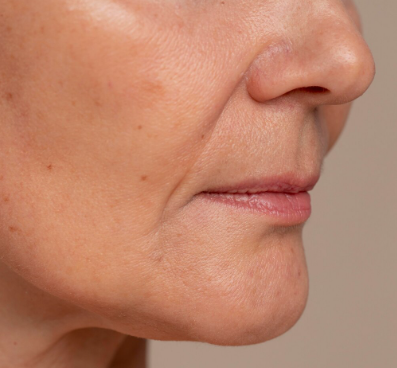
From the outside, it appears as hollowed cheeks, deepened nasolabial folds,
and a collapsed jawline.
As one ages,
especially from the late 40s, this deep sagging
often progresses noticeably.
Unlike superficial skin sagging,
it's a change occurring in a deeper layer,
so trying to address it only from the surface has limitations.
2. Why is the duration shortened?
A thread lift is a procedure that inserts threads
to pull up sagging tissue.
The problem lies in which layer the threads are inserted into.
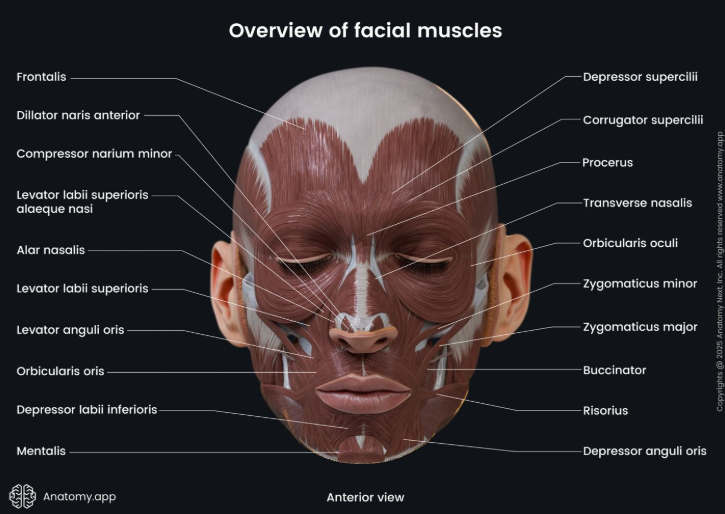
If there is deep cheek sagging
and threads are only inserted into the shallow skin layer,
the heavy deep tissue remains below,
and only the outer skin is pulled.
In this case, even if it looks lifted immediately after the procedure,
it cannot withstand the weight of the deep tissue,
and the threads' supporting power quickly weakens.
Ultimately, a shortened duration is often
not due to the skin or the threads,
but rather the difference in whether the deep layers were properly accessed.
3. Procedure methods for deep cheek sagging
If there is deep cheek sagging,
the layer into which the threads are inserted must be different.
By accessing below the fascial layer,
the insertion position and angle of the threads are designed
to pull up the descended deep fat.
Approaching it by addressing both shallow and deep layers
can simultaneously solve surface pulling and deep support.

The type of thread is also important.
To maintain support for the deep layers,
threads with appropriate strength and elasticity must be chosen,
and the number and direction should also be designed
differently according to the degree of sagging.
4. Things to check before the procedure
During consultation, there should be a process to confirm
which layer the sagging is occurring in.
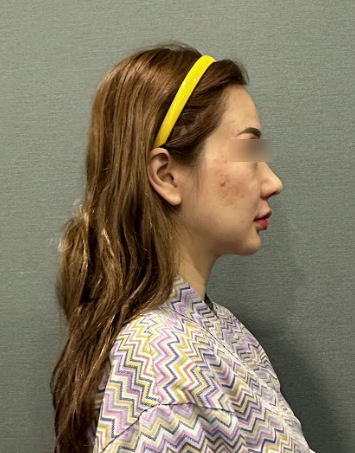
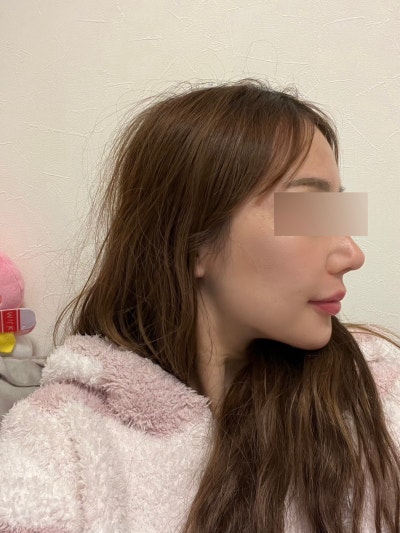
This is because the procedure method itself differs
depending on whether it's deep sagging or superficial sagging.
If you have had a thread lift before,
it's good to also mention when and how you received it.
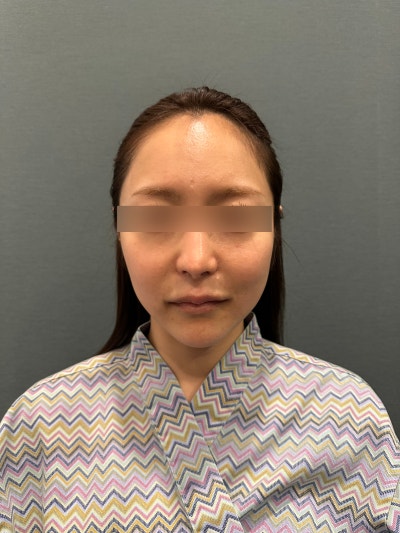
This is because when performing an additional procedure
with existing threads remaining,
a more delicate approach is required.
If you have experienced short-lived effects,
rather than simply increasing the number of threads,
revisiting the cause of the sagging first
is the more accurate approach.
The duration of a thread lift often depends much more
on the design than on the skin condition.
-Operating Hours-
Weekdays 9:00 ~ 18:00 Saturdays 9:00 ~ 16:00 Public Holidays / Sundays Regular closure |
-Contact Us-
Deep Cheek Sagging Thread Lift Face Plus Plastic Surgery Clinic | ||
Consultation Phone: 02-541-8500 Inquiry: KakaoTalk Inquiry |
-Directions-
Deep Cheek Sagging Thread Lift
Frequently Asked Questions
What is deep cheek sagging?
Deep cheek sagging refers to the phenomenon where the deep fat located beneath the skin's fat layer and fascial layer descends. Externally, it can manifest as hollowed cheeks, deepened nasolabial folds, and a collapsed jawline. It often becomes noticeably pronounced from the late 40s.
What is the main reason for a shortened duration after a thread lift?
The main reason for a shortened duration after a thread lift is that when deep cheek sagging is present, threads are inserted only into the shallow skin layer, failing to properly support the heavy deep tissue. The threads cannot withstand the weight of the deep tissue, and their supporting power quickly weakens, causing the effect to diminish rapidly.
How is a deep cheek sagging thread lift performed?
A deep cheek sagging thread lift involves inserting threads below the fascial layer to directly lift the descended deep fat. To address both shallow and deep layers simultaneously, the insertion position and angle of the threads are meticulously designed, and it is crucial to select threads with appropriate strength and elasticity.
What should be checked before a thread lift procedure?
Before a thread lift procedure, a consultation process is essential to accurately determine whether the sagging is occurring in the superficial skin layer or the deep layer beneath the fascia. Since the procedure method varies depending on the causative layer of sagging, it is advisable to also provide information about any previous procedures, including when and how they were performed.
How can I maintain the effects of a thread lift for a longer period?
To maintain the effects of a thread lift for a longer period, it is crucial to accurately identify the cause of the sagging rather than simply increasing the number of threads. Especially in cases of deep cheek sagging, the key is to meticulously design the insertion position and angle of the threads and use appropriate threads to support the deep fat beneath the fascial layer.