2026-07-20
Curious about how cataract surgery is performed?
Learn about cataract surgery methods, including traditional vs. laser techniques, types of intraocular lenses, and key factors for choosing a clinic.


Undergoing eye surgery is not an easy decision.
That's why many people are curious about the surgical methods and the instruments used.
Let me tell you about cataract surgery methods.

The transparent lens inside the eye gradually becomes cloudy due to various reasons, such as aging or genetic factors.
When this happens, light entering the eye scatters as it passes through the lens before forming an image on the retina,
causing objects to appear blurry or hazy.
For those who confuse it with presbyopia, I'll explain the typical symptoms of cataracts.
- Vision loss: Initially, distant vision may slightly decline, progressing to severe visual impairment.
- Improved near vision: Previously used reading glasses, but can now see near objects well without them.
- Diplopia: Objects appear overlapped or double.
- Day blindness (hemeralopia): Vision is worse in bright places and better in dark places.
- Glare: Light appears scattered, or it's difficult to open eyes in sunlight.
If you experience three or four of these symptoms, it's advisable to suspect cataracts and visit a clinic for an examination.
If cataracts are confirmed, how is cataract surgery performed?
Traditionally, surgery was performed manually.
Since it was done by hand, there could be errors in the depth or angle of the incision,
or hand tremors could cause delays or even tear the capsular bag.
With advancements in medical technology, cataract surgery is now performed using laser equipment,
allowing for highly accurate incisions without errors, ensuring a perfect fit for the intraocular lens.
Since the incision is made by a laser according to the values entered into the system,
the incision time is shortened to 1.5 seconds, and because it's not a manual method,
you don't have to worry about hand tremors!

When one of the cataract surgery methods is performed with a laser, unlike traditional methods,
it can achieve superior results in various aspects compared to manual methods, such as astigmatism correction and corneal incision.
After fragmenting the cloudy lens, an artificial intraocular lens is inserted to replace it.
Considering various factors such as your eye condition, occupation, age, hobbies, and lifestyle,
you will consult with a medical professional to choose between a multifocal or monofocal intraocular lens.
For those who have both presbyopia and cataracts, presbyopia correction is also needed,
so it's better to opt for a multifocal lens rather than a monofocal one to ensure clear vision at all distances, wouldn't you agree?
Furthermore, choosing a multifocal lens isn't the end; at Gangnam Smile Eye Clinic's cataract surgery,
there are various types of multifocal intraocular lenses, so you need to choose the one that suits you best from among them.

We've taken the time to explain the cataract surgery methods in detail.
Above all, what's important to consider is:
The medical team's extensive experience and the number of surgeries performed,
Whether the diagnostic equipment and surgical equipment are interconnected,
(If the diagnostic and surgical equipment are interconnected,
surgery can be performed faster, and the margin of error is significantly reduced.)
It's best to consider these various aspects before visiting, isn't it?
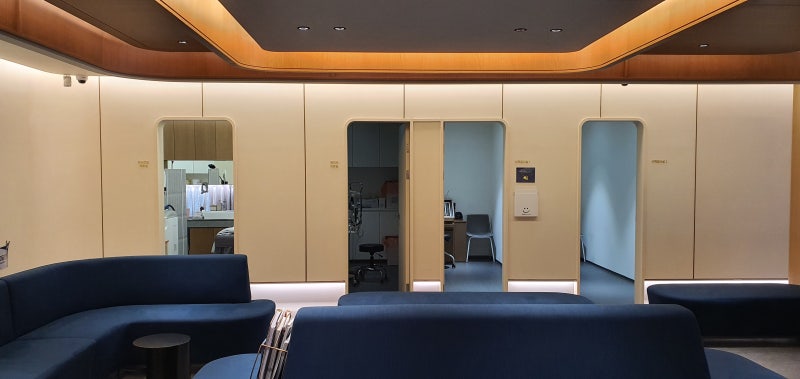
Having learned about cataract surgery methods, I'll follow up with a post about other eye diseases next time.
Don't forget to smile today!
That concludes today's post!
Frequently Asked Questions
What causes cataracts?
Cataracts are a condition where the transparent lens inside the eye becomes cloudy. Aging is the most common cause, but they can also result from genetic factors and various other reasons. When the lens becomes cloudy, light cannot properly focus on the retina, causing objects to appear blurry or hazy.
What are the main symptoms of cataracts?
Typical symptoms of cataracts include vision loss, improved near vision for those who previously used reading glasses (now seeing well without them), diplopia (seeing double or overlapping images), hemeralopia (worse vision in bright light, better in dim light), and glare.
How is cataract surgery performed?
Cataract surgery involves fragmenting the cloudy lens and then implanting an artificial intraocular lens in its place. While traditionally performed manually, modern surgery uses laser equipment to enhance incision accuracy, shorten surgical time, and provide astigmatism correction.
What types of intraocular lenses are available?
Intraocular lenses are broadly categorized into monofocal and multifocal. Patients consult with medical professionals to choose the most suitable type based on their eye condition, occupation, age, hobbies, and lifestyle.
Which intraocular lens is best if I have both presbyopia and cataracts?
If you have both presbyopia and cataracts, a multifocal intraocular lens is generally recommended. Multifocal lenses help provide clear vision at all distances, offering the added benefit of presbyopia correction.
What are important considerations when choosing a clinic for cataract surgery?
When selecting a clinic for cataract surgery, it's crucial to consider the medical team's extensive experience and surgical volume, as well as whether the diagnostic and surgical equipment are interconnected to minimize errors and enable faster surgery.