2026-09-03
Criteria for Facelift in Your 50s: Considering Cost, Contours, and Aging Together
For those in their 50s considering a facelift, it's crucial to look beyond just the cost. A comprehensive approach that evaluates facial contours and the overall aging process is essential for achieving natural and lasting results.
※ This article is intended to provide medical information.
It is not subject to review under Article 56, Paragraph 2 and Article 57 of the Medical Service Act, and is not an advertisement unrelated to the review content.
Hello,
I am Dr. Park Jeong-geun,
Director of Faceplus Plastic Surgery Clinic.

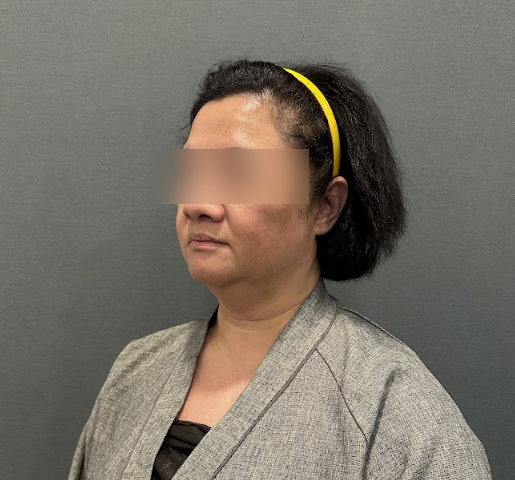
As one enters their 50s, facial changes often extend beyond simple loss of elasticity, leading to an overall alteration in appearance.
As the supporting structures of the face weaken faster than the skin sags,
the jawline blurs and the lower cheeks appear heavier.
Aging at this stage is not merely about the appearance of new wrinkles,
but rather a process where the face's center of gravity shifts downwards.
Therefore, when looking in the mirror, people often say ‘my face looks saggy’ rather than ‘I look old’.
The point at which one considers a facelift often begins with experiencing these changes.
It is also at this time that the methods of maintenance that have been relied upon no longer feel sufficient.
Why it's difficult to judge by cost alone
When researching facelift surgery, cost is an important consideration for everyone.
However, for individuals in their 50s, the direction and extent of aging vary greatly,
making it difficult to determine suitability through simple price comparison alone.
The approach will inevitably differ between cases where the entire face has sagged evenly and cases where changes have progressed primarily in specific areas.
This difference naturally leads to a difference in cost.
A lower cost does not always mean less burden,
nor does a higher cost necessarily guarantee better results.
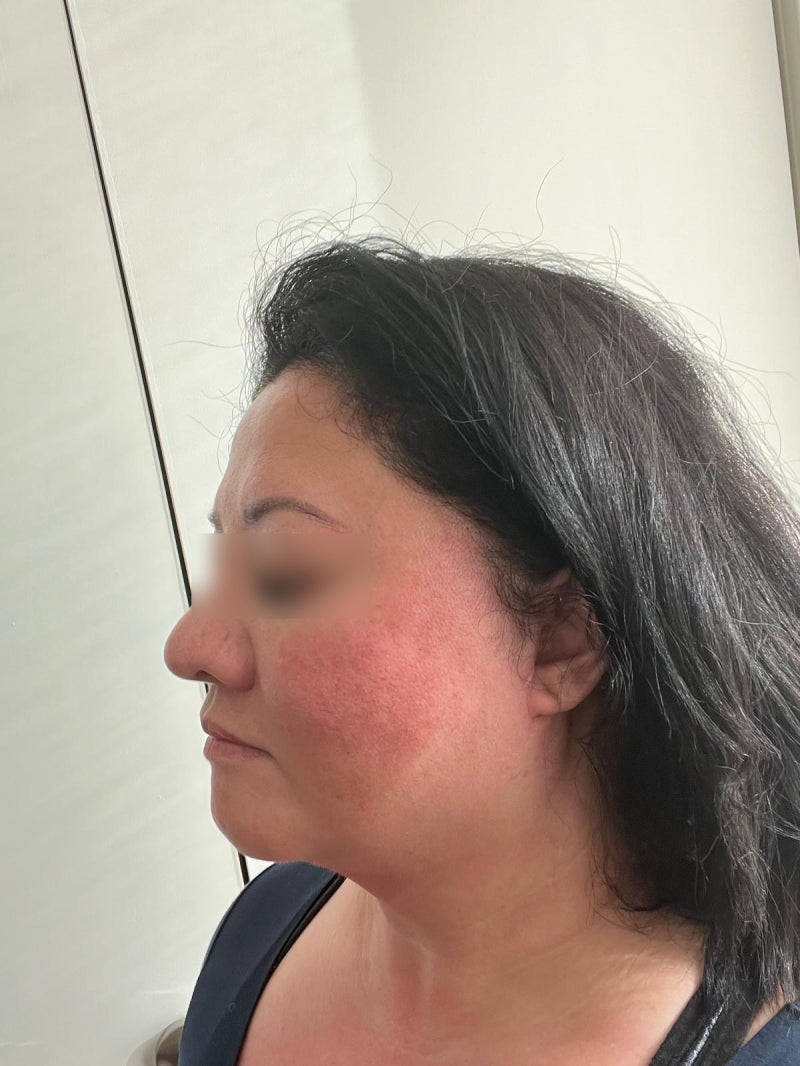
What is important is not the amount, but whether the scope and method applied are appropriate for the current facial condition.
If this aspect is not sufficiently considered, the perceived satisfaction with the results may also differ.
The necessity of an approach that considers contours and aging together
The reason why facial contours must be considered together in a facelift for those in their 50s is that it is directly related to the naturalness of the results.
If only the skin is tightened when the contours have collapsed,
the facial lines may appear lifted, but the overall impression can feel unnatural.
Conversely, when facial structure and contour changes are considered together,
even if the change does not seem significant, the impression often appears much more refined.
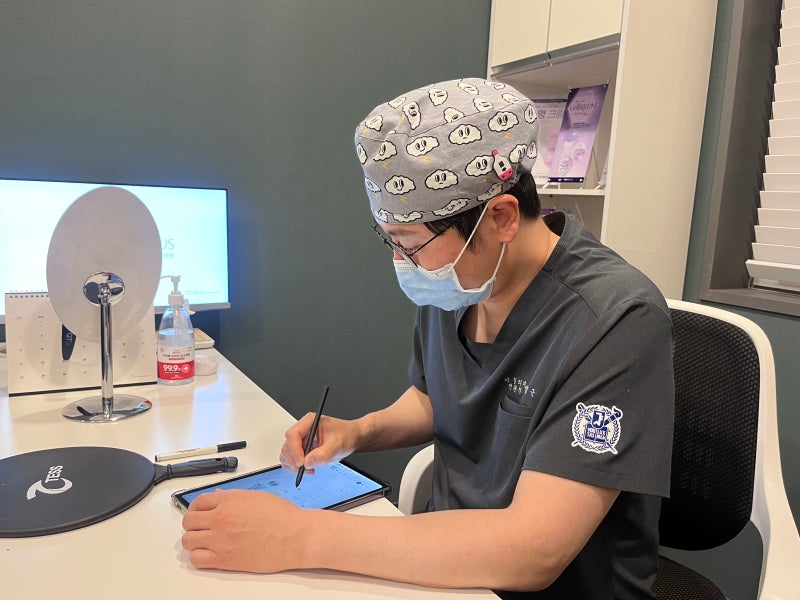
Aging does not only occur on the skin's surface; it involves both volume displacement and weakening of supporting structures simultaneously.
If these aspects are not considered together, one might be satisfied immediately after surgery, but feel regret over time.
Therefore, an approach that does not separate contours and aging becomes crucial.
Important directions for choosing a facelift in your 50s
When choosing a facelift in your 50s, it is important not to focus solely on making one look younger.
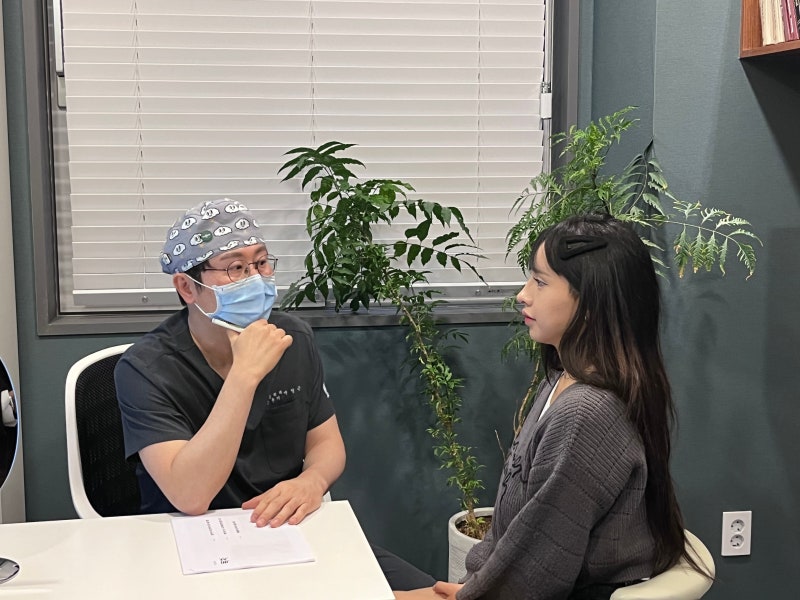
More important than the magnitude of the change is whether the overall facial impression is naturally refined.
A design that considers both contours and aging often leads to results where the impression remains stable over time.
A facelift is not merely a process of pulling up sagging skin,
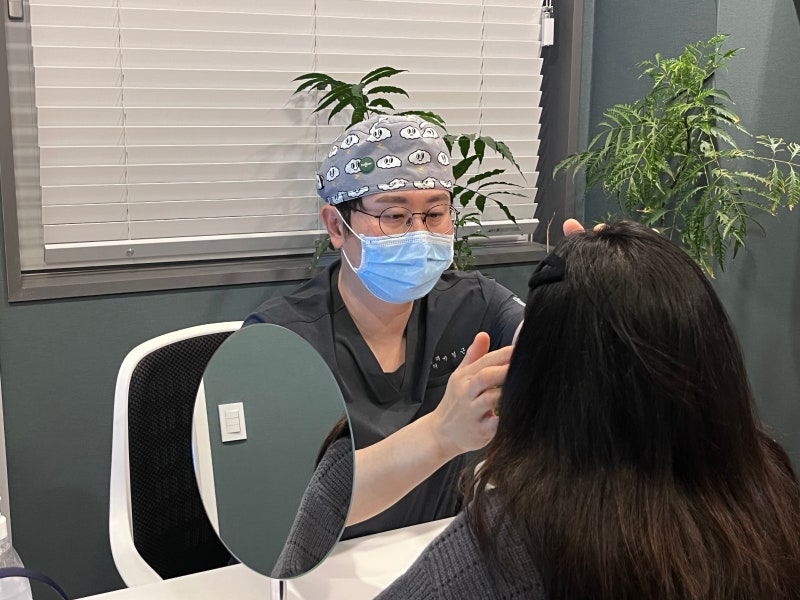
but rather a process of re-establishing facial balance.
Therefore, instead of focusing on changes in just one area,
an approach that considers how the overall impression will change is necessary.
I hope this article has been helpful in understanding why cost, contours, and aging must be considered together when contemplating a facelift in your 50s.
-Operating Hours-
Weekdays 9:00 ~ 18:00 Saturdays 9:00 ~ 16:00 Public Holidays / Sundays Regular closure |
-Contact Us-
Faceplus Plastic Surgery Clinic | ||
Consultation Phone: 02-541-8500 Inquiries: KakaoTalk Inquiry |
-Directions-
Frequently Asked Questions
Why is it difficult to judge a facelift in your 50s by cost alone?
For individuals in their 50s, the direction and extent of aging vary significantly. The approach differs between cases where the entire face has sagged and where changes are concentrated in specific areas, leading to cost differences. It is crucial that the scope and method applied are appropriate for the current facial condition.
Why should facial contours be considered together in a facelift for those in their 50s?
This is directly related to the naturalness of the results. If only the skin is tightened when the contours have collapsed, the impression can appear unnatural. Considering both facial structure and contour changes helps achieve a much more refined and natural overall appearance.
How does facial aging progress in your 50s?
In their 50s, facial aging goes beyond simple loss of skin elasticity; the supporting structures of the face weaken, leading to a blurred jawline and heavier-looking lower cheeks. This is more akin to a downward shift in the face's center of gravity than merely an increase in wrinkles.
What is the important direction for choosing a facelift in your 50s?
It is important to focus not merely on looking younger, but on achieving a naturally refined overall facial impression. A design that considers both contours and aging can lead to natural results where the impression remains stable over time.
Is a facelift merely about pulling up sagging skin?
No. A facelift is not simply a process of pulling up sagging skin, but rather a process of re-establishing facial balance. Therefore, instead of focusing on changes in just one area, an approach that considers how the overall impression will change is necessary.