2026-09-03
Considering a 'Peanut-Shaped' Face Procedure (Self-Funded)? You Need to See the Selection Criteria First
If you're considering a procedure for a 'peanut-shaped' face, don't just rely on self-funded reviews. Understand the causes of this facial shape and the differences between fillers and thread lifts to make an informed decision based on your specific needs and facial structure.
※ This article is written for the purpose of providing medical information.
It is not subject to deliberation under Article 56, Paragraph 2 and Article 57 of the Medical Act,
and is not an advertisement unrelated to the content of deliberation.
Hello,
I am Park Jeong-geun,
Director of Faceplus Plastic Surgery Clinic.

When considering a procedure for a ‘peanut-shaped’ face,
many people first look for self-funded reviews.
While referring to actual experiences can be helpful,
relying solely on reviews might feel like
there aren’t enough criteria for making a decision.

This is especially true because even with the same ‘peanut-shaped’ face,
the appropriate method can vary
depending on the location and cause of the hollowness.
Therefore, rather than simply asking ‘which procedure is good’,
it’s important to first understand the selection criteria
that suit your facial condition.
Today, based on fillers and fat grafting,
I will realistically outline the selection criteria
for ‘peanut-shaped’ face procedures.
Table of Contents | ||
1. Why does a ‘peanut-shaped’ face occur? 2. Difference between fillers and thread lifts 3. When are they performed together? 4. Criteria to check before choosing |
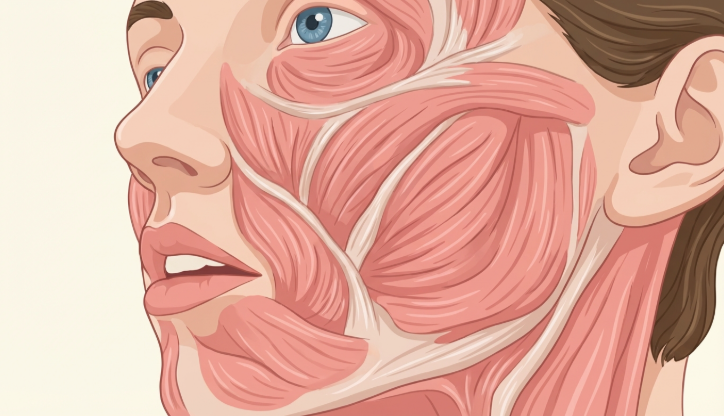
1. Why does a ‘peanut-shaped’ face occur?
A ‘peanut-shaped’ face refers to
a shape where the cheeks below the cheekbones are hollow,
making the sides appear sunken.
In this case, the cheekbones may appear relatively prominent,
the mid-face may look empty,
and the overall impression may lack dimension.
The cause is often not just a lack of fat,
but a combination of skeletal structure, fat distribution,
and skin elasticity.
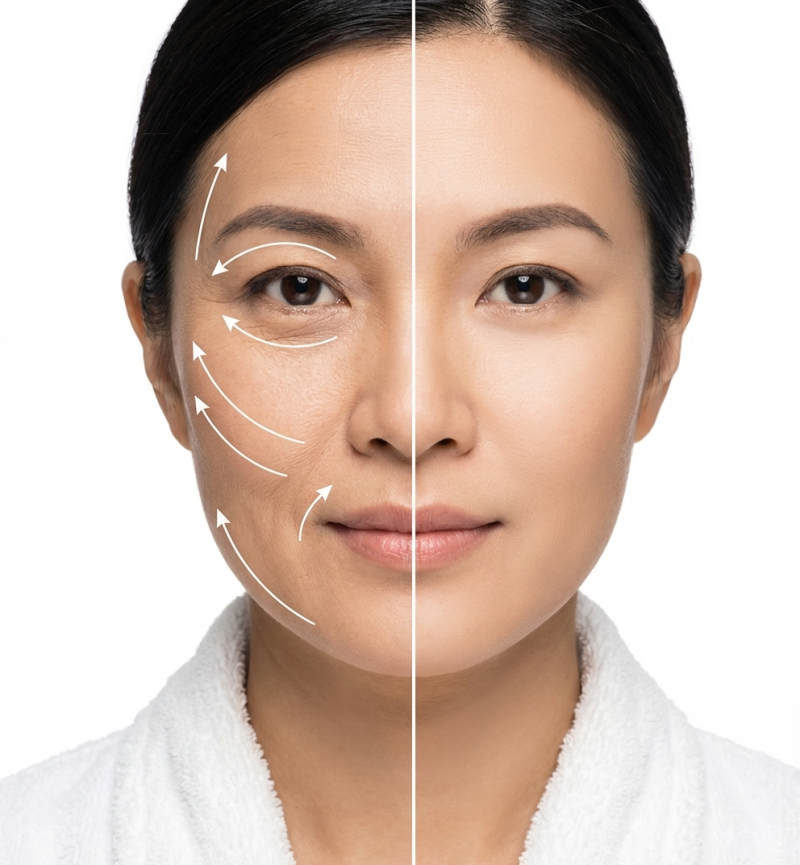
Therefore, even if they look similar on the surface,
the actual causes can differ.
2. Difference between fillers and thread lifts
Fillers are a method of adding volume to hollow areas
to improve the facial contour.

They often provide immediate changes
and allow for precise adjustments in specific areas.
On the other hand, thread lifts
physically pull up sagging tissues
to redefine their position.
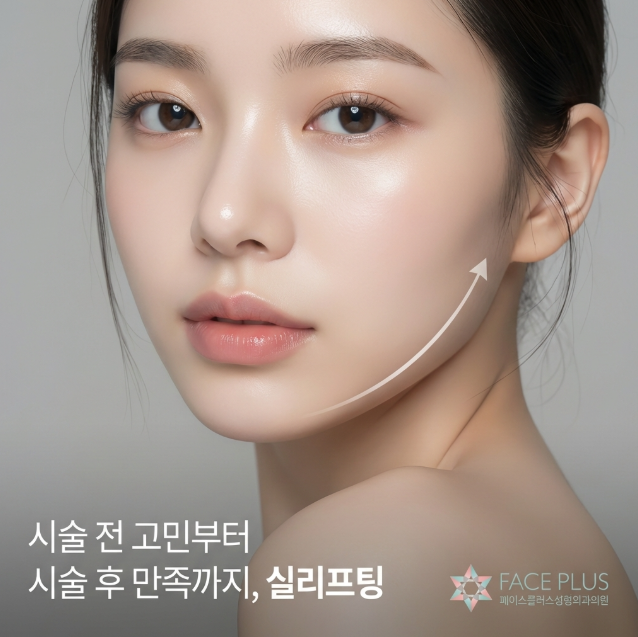
So, it’s more about tightening and refining the lines
rather than adding volume.
In short, fillers ‘fill’,
and thread lifts ‘lift’;
they can be understood as having distinct roles.
3. When are they performed together?
In a ‘peanut-shaped’ face,
hollowness and sagging often occur together.
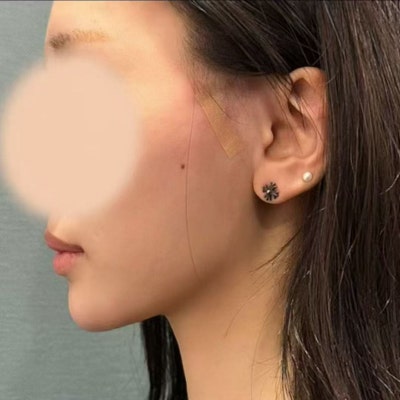
In such cases, if only fillers are used,
volume will be added,
but the sagging may remain visible.
Conversely, if only thread lifts are performed,
the position will be lifted,
but the hollow volume may not be sufficiently compensated.

Therefore, both procedures may be considered
together.
For example, an approach where sagging tissues are first addressed,
and then insufficient volume is supplemented
to achieve overall balance
is sometimes explained.
However, they are not always performed together in all cases,
and the choice may vary depending on the condition.
4. Criteria to check before choosing
When choosing a procedure for a ‘peanut-shaped’ face,
rather than just looking at reviews or prices,
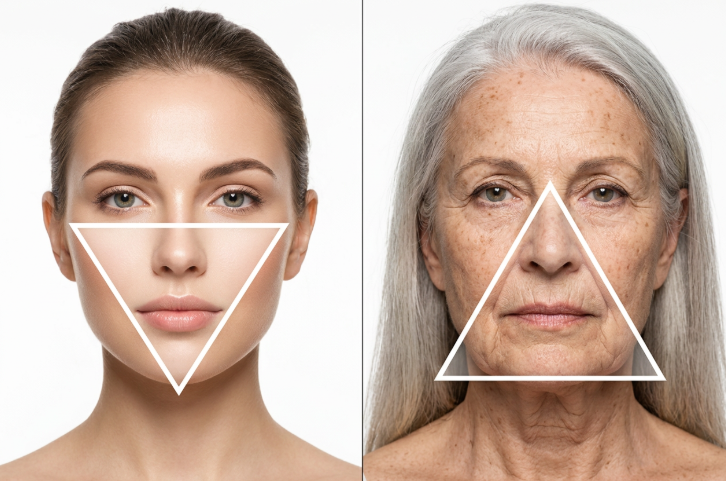
it’s important to first determine
whether hollowness or sagging is the more significant factor.
Also, based on the overall facial proportions,
the order of approach may differ
depending on which area needs to be addressed first.

Both fillers and thread lifts
are affected by where and how they are applied,
so it’s necessary to understand the application criteria
together, rather than just choosing the type of procedure.
-Operating Hours-
Weekdays 9:00 ~ 18:00 Saturdays 9:00 ~ 16:00 Public Holidays / Sundays Regular closure |
-Contact Us-
Faceplus Plastic Surgery Clinic | ||
Consultation Phone: 02-541-8500 Inquiries: KakaoTalk Inquiry |
-Directions-
‘Peanut-Shaped’ Face Procedure: Self-Funded
Frequently Asked Questions
What kind of face is referred to as a ‘peanut-shaped’ face?
A ‘peanut-shaped’ face refers to a shape where the cheeks below the cheekbones are hollow, making the sides appear sunken. In this case, the cheekbones may appear prominent, and the mid-face may look empty, leading to an impression of lacking dimension.
Why does a ‘peanut-shaped’ face occur?
The cause of a ‘peanut-shaped’ face is often not just a lack of fat, but a combination of skeletal structure, fat distribution, and skin elasticity. Even if they look similar on the surface, the actual causes can differ.
What is the difference between fillers and thread lifts?
Fillers are a method of adding volume to hollow areas to improve the facial contour, while thread lifts physically pull up sagging tissues to redefine their position. In short, fillers ‘fill’, and thread lifts ‘lift’.
Are fillers and thread lifts sometimes performed together for a ‘peanut-shaped’ face?
Yes, when both hollowness and sagging occur in a ‘peanut-shaped’ face, both procedures may be considered together. For example, sagging tissues may be addressed first, and then insufficient volume supplemented to achieve overall balance.
What is the most important criterion when choosing a procedure for a ‘peanut-shaped’ face?
When choosing a procedure, rather than just looking at reviews or prices, it’s important to first determine whether hollowness or sagging is the more significant factor. Also, based on the overall facial proportions, the order of approach may differ depending on which area needs to be addressed first.