2026-07-09
Checklist Before Choosing a Breast Augmentation Clinic
Before choosing a breast augmentation clinic, understand the surgical process, anesthesia methods, incision and dissection scope, and tissue preservation. Prioritize natural results, recovery, and the surgeon's expertise over just size.

Checklist Before Choosing a Breast Augmentation Clinic
Hello. This is Clyve Plastic Surgery.
When considering breast augmentation, the first thing to check is not ‘how much bigger can it get?’ but rather how the surgery will be performed. The incision location, dissection scope, anesthesia method, and whether tissue is preserved determine the completeness of the result more than a simple size change.
Especially recently, there has been a strong trend to prioritize natural lines, feel, and movement over excessive enlargement. Therefore, it is crucial to understand the surgical process itself by checking a checklist before choosing a breast augmentation clinic.
Anesthesia Method: Is General Anesthesia Always Necessary?

Traditionally, general anesthesia was common for breast augmentation to completely control movement during surgery. However, the anesthesia method can vary depending on the surgical technique.

If the method minimizes the dissection scope and reduces tissue damage, it can be selectively performed within the range of sedation or general anesthesia. A key point to check is whether an anesthesia plan tailored to the surgical structure is established, rather than automatically opting for general anesthesia.
Incision Scope and Tissue Preservation: Key Factors Determining the Result
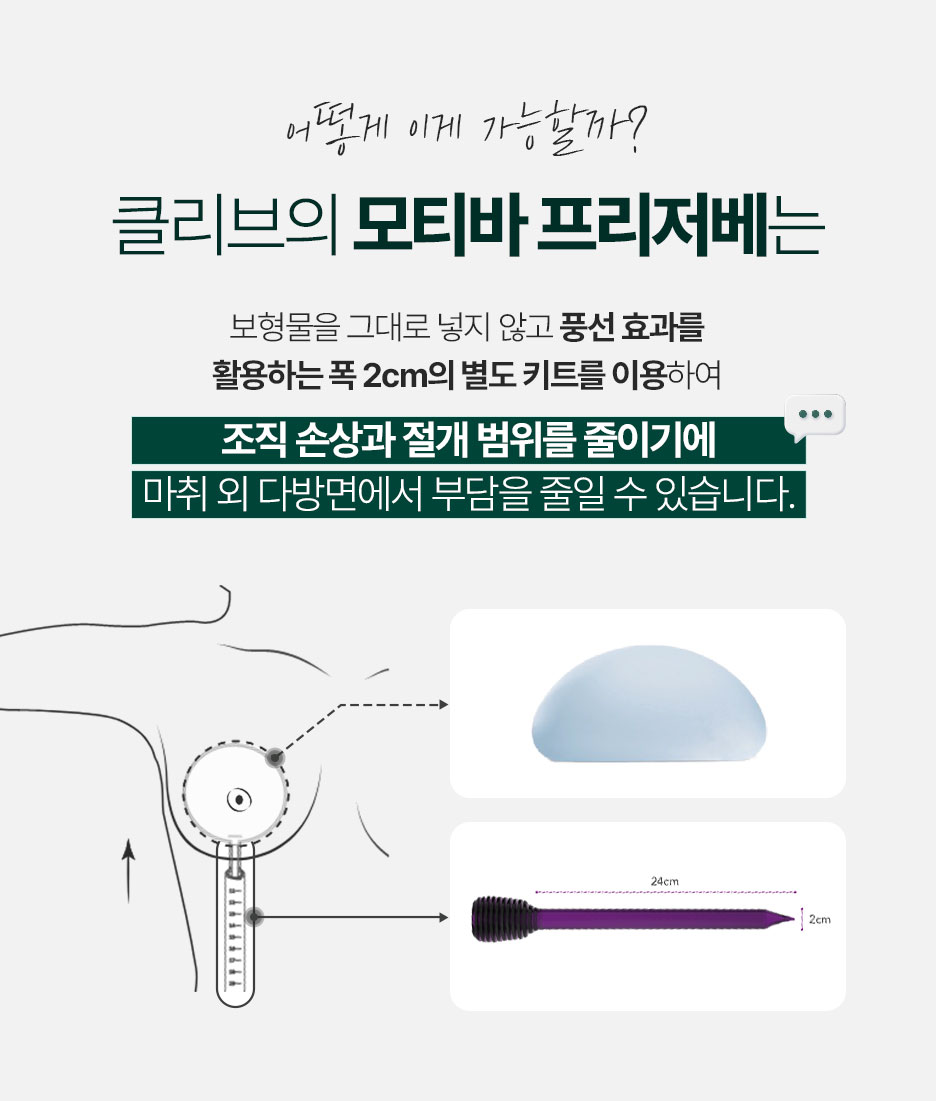
The outcome of breast augmentation depends more on ‘how the space was created’ than on the implant itself.
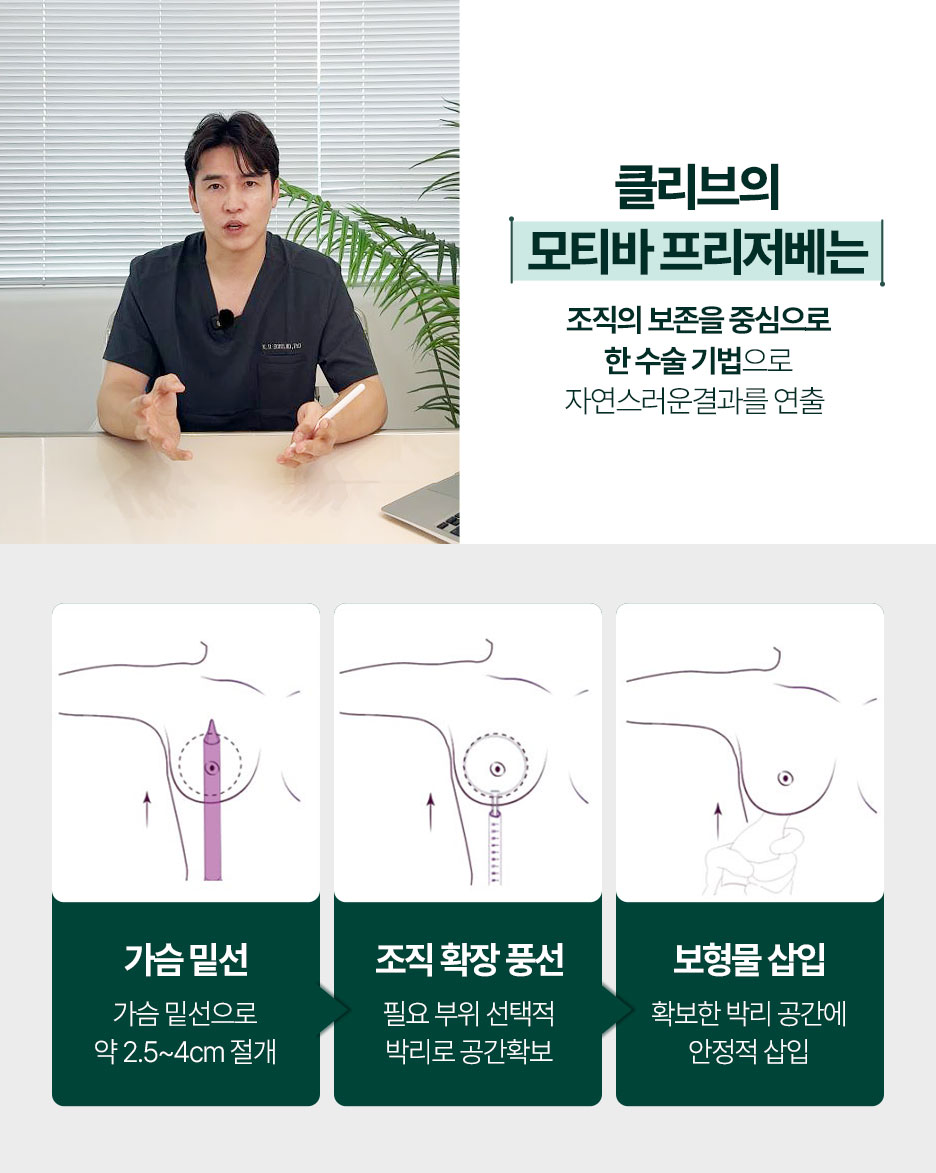
When making an inframammary incision, an average incision of about 2.5-4cm is made, and then only the necessary area is selectively dissected to create space.
Utilizing tissue expansion tools to minimize excessive damage and stably inserting the implant into the secured space offers the following advantages:
✔ Reduced tissue damage
✔ Minimized bleeding area
✔ Reduced recovery burden
When checking the checklist before choosing a breast augmentation clinic, you must confirm how the dissection scope is managed.
Design, Feel, and Movement are the Results of the Process

If unnecessary damage occurs during implant placement and dissection, the shape may appear unnatural or the feel may become firm.
By preserving tissue while creating space, you can expect:
✔ A smooth lower line
✔ A natural feel
✔ Stability with movement
This is not simply a matter of ‘good implants’ but is determined by the precision of the entire surgical process.
Recovery Period and Return to Daily Life

When the incision area is reduced and muscle/nerve damage is minimized, there is also a difference in the recovery period. On average, light activities are possible within 1-3 days, and pain and swelling tend to stabilize relatively quickly, although there are individual differences.
However, all surgeries carry the possibility of bleeding, infection, inflammation, etc., so it is also an important checklist item to ensure that a post-operative management system and emergency response system are in place.
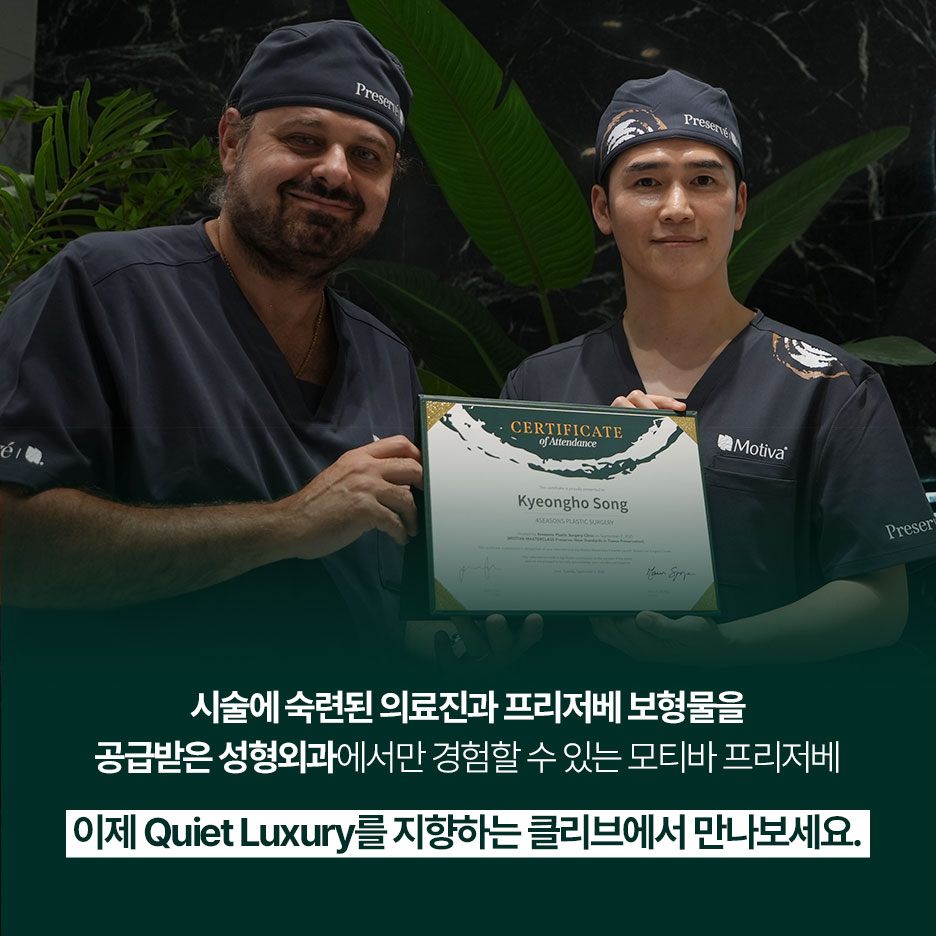
Even with the same implant, the result varies depending on the surgeon's understanding. You need to confirm whether the surgeon accurately understands the implant's characteristics, elasticity, and movement structure, and if they have sufficient actual surgical experience. In particular, whether they have a history of specific implant supply and training, and whether they continuously engage in related academic activities, can also be a criterion for judgment.
✔ Summary of Checklist Before Choosing a Breast Augmentation Clinic
Is the anesthesia plan designed according to the surgical method?
Is the structure designed to minimize incision and dissection scope?
Is the surgery performed with a focus on tissue preservation?
Is the recovery management system systematic?
Are the medical staff's proficiency and understanding of implants sufficient?
Can long-term outcome cases be confirmed?
Breast augmentation is not a simple enlargement surgery. Every single step of the process creates the result. Before choosing a clinic, please check the surgical structure and system first, rather than just attractive promotional phrases.
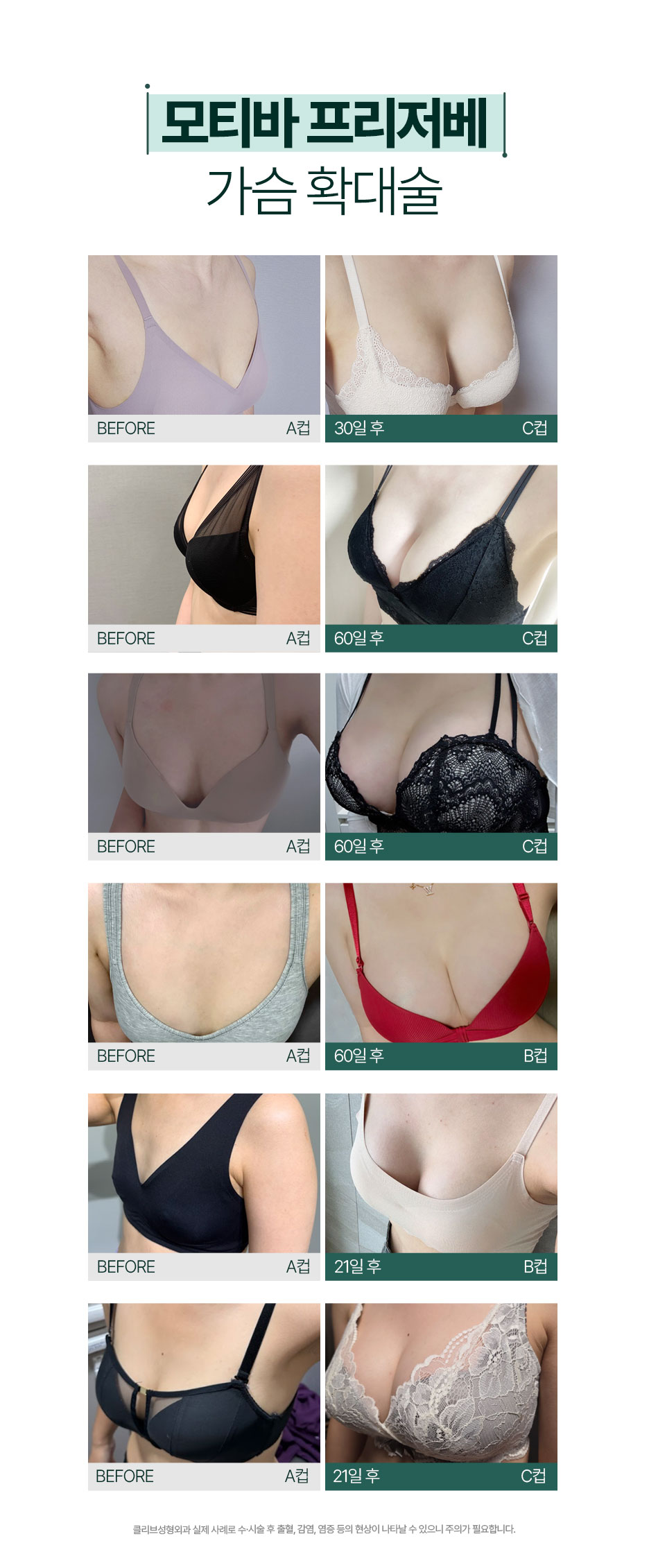
▼ Clyve Plastic Surgery Promotion ▼
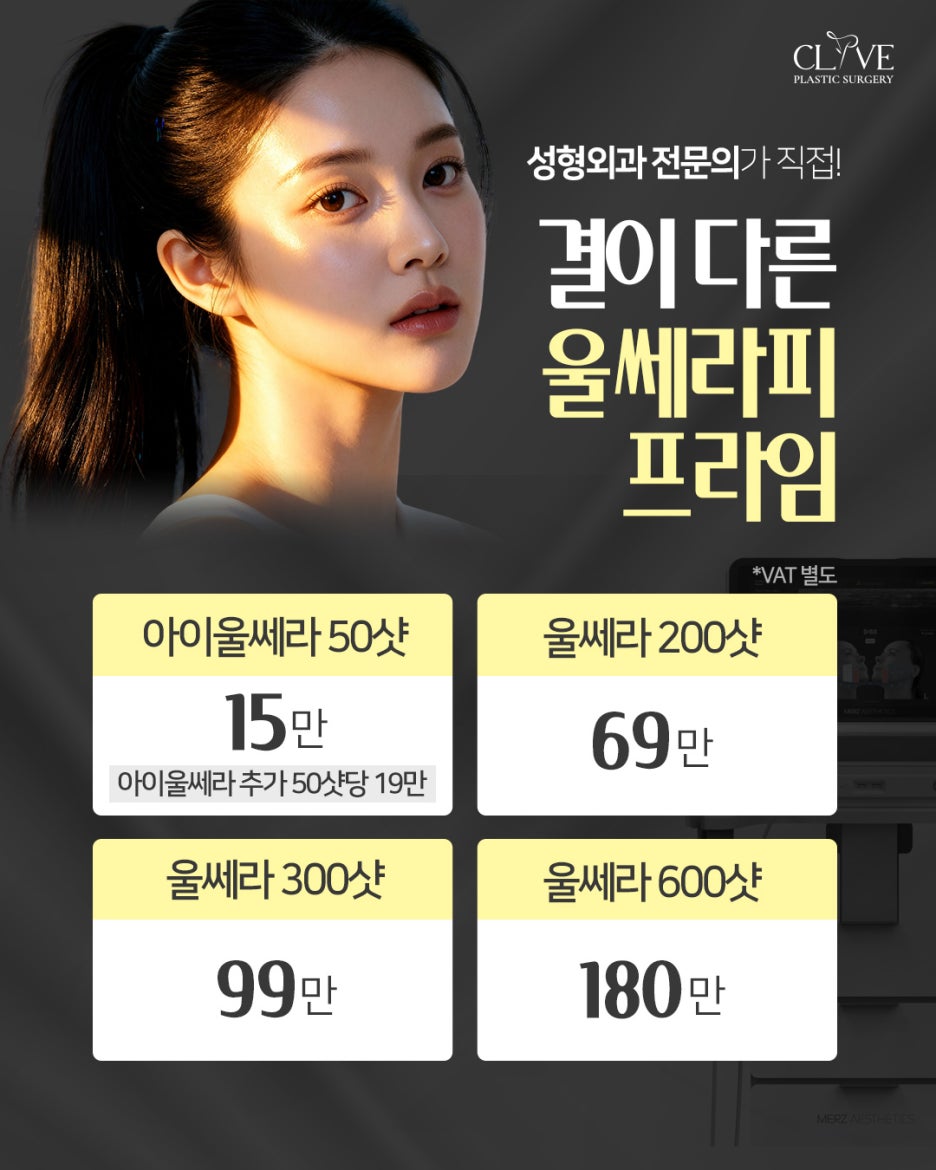
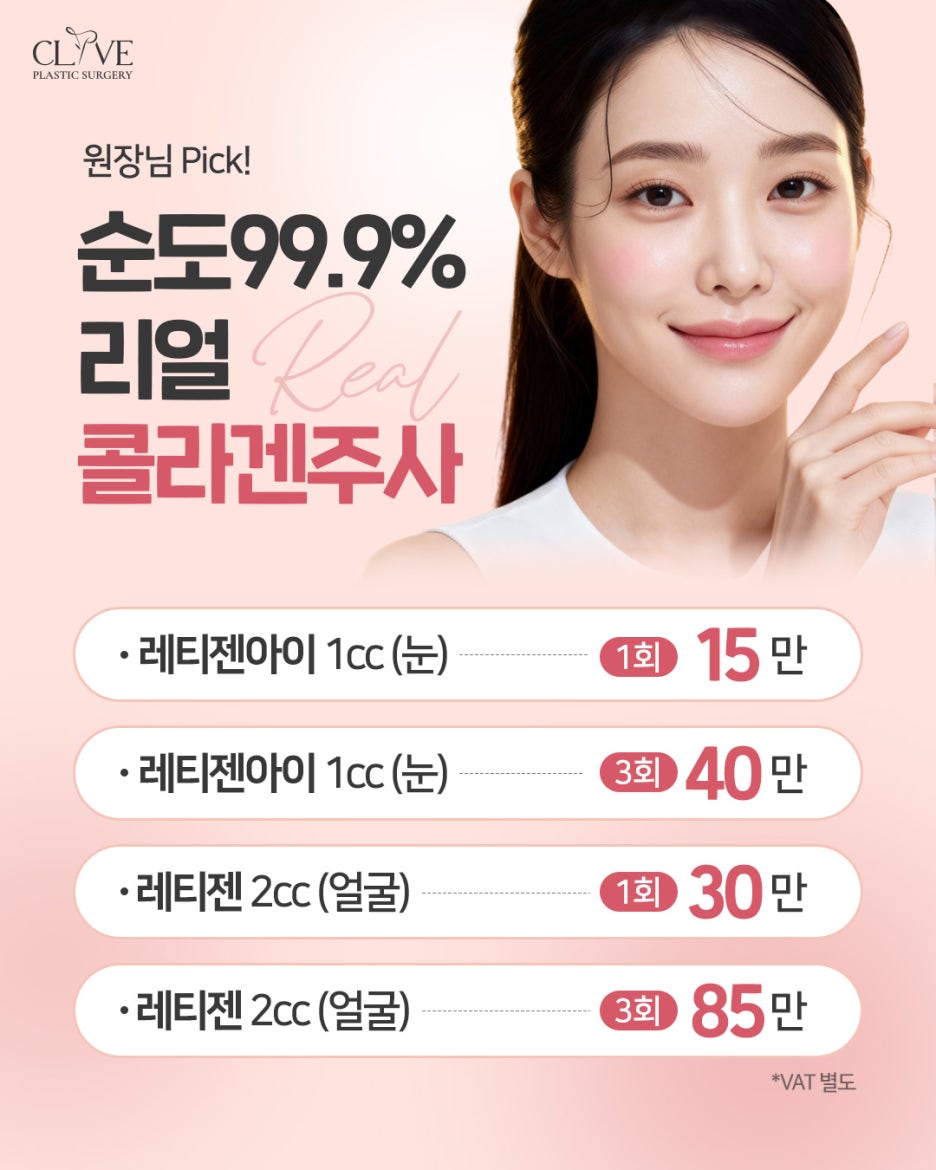







Checklist Before Choosing a Breast Augmentation Clinic



















Hello. Today, I wanted to summarize what I felt while personally attending consultations. When I was considering breast augmentation, my biggest concern wasn't ‘will it look pretty?’ but rather ‘what if something goes wrong?’ Once I had consultations, I found myself paying more attention to complications and aftercare than to the shape. So, I decided to compile a list of essential criteria to check before choosing a breast augmentation clinic, rather than just a simple comparison.
The first difference I noticed when I started consultations was the ‘depth of explanation.’ Some breast augmentation clinics focused on size and cup talk, while others directly measured my chest width and base width, showing me the numbers. Surprisingly, not many places documented skin elasticity or the degree of left-right asymmetry. At that time, I found the consultation sheet with organized numbers much more trustworthy. It wasn't just a simple recommendation; I could hear the reasons why that particular size was right for me.
Implant selection was similar. Even if the same product was used, the explanation methods were completely different. Some breast augmentation clinics focused on the feel, while others discussed surface characteristics, the possibility of capsular contracture, and suitability with tissue thickness. I wanted to hear specifically ‘why this implant was right for my body type.’ Also, receiving guidance on how to track rupture and when to undergo imaging tests reduced my vague anxiety.
Post-operative care was also important. Honestly, before the consultation, I thought that if the surgery went well, that would be the end of it. However, I learned that each breast augmentation clinic had different recovery protocols. Whether there was a phased pain management plan, how long a compression bra needed to be worn, and when exercise was possible, all documented, made a difference. In particular, breast augmentation clinics with a follow-up schedule of three months or more felt like they had a systematic approach to management.
I also made sure to ask about reoperation and complication response standards during consultations. Some places gave vague answers to the question ‘What if a problem occurs?’, while others specifically explained the criteria for suspected capsular contracture or when to judge implant displacement. I felt that places that provided objective judgment criteria were more responsible.
I also learned through consultations that comparing costs was difficult. There were differences depending on the depth of the consultation, the scope of examinations, and the duration of aftercare. So, I didn't just look at the cost of the breast augmentation clinic, but also checked whether evaluation data and a management plan were included.
Ultimately, what I realized was that the difference in results began not on the day of surgery, but already at the consultation stage. I felt that how accurately my body type was measured and how choices were narrowed down based on those measurements were linked to safety. If you are considering a breast augmentation clinic, it might be good to start by checking what records are left on the consultation sheet. It was necessary to calmly examine whether numbers and plans remained, and whether the explanation was convincing.
After comparing several breast augmentation clinics, I ultimately chose a clinic based on ‘where the explanation resonated’ rather than ‘where it looked pretty.’ After attending consultations, I found that simply preparing a checklist in advance made the choice much clearer. If you are considering it, it might be good to organize your own criteria once.