2025-05-19
Can Liposuction Help with Loose Skin After Dieting?
Learn about managing loose abdominal skin after weight loss, including causes, non-surgical methods, and medical approaches like abdominoplasty.
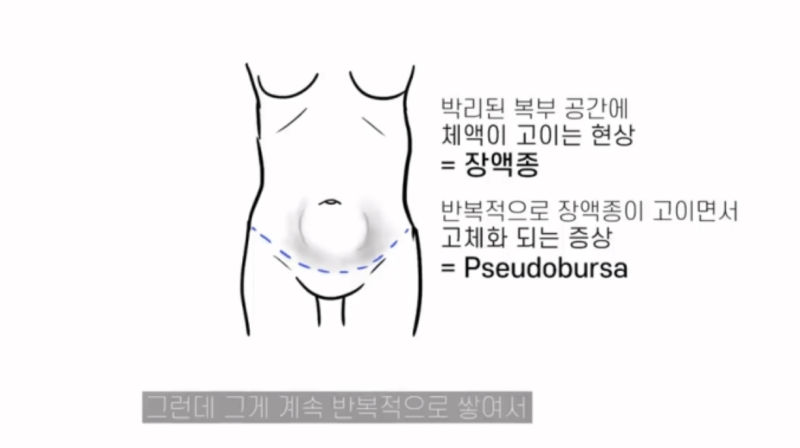
The abdomen is a common area of concern
for many people when they are on a diet.
Especially after weight loss,
the loose skin on the abdomen
becomes a worry for many.
This condition is not just an aesthetic
issue but can also cause discomfort
during physical activities.
In this article, we will explore
objective information related to
abdominal skin care after dieting.
1. Causes of Loose Skin After Dieting
Loose skin after dieting can occur
due to various reasons.
Common causes include
rapid weight changes, pregnancy and childbirth, aging,
and genetic factors.
The abdominal area, in particular,
is prone to sagging when the skin's
elasticity weakens.

When weight is lost rapidly,
the skin doesn't have enough time to
contract to fit the new body shape,
leaving it in a stretched state.
This is because proteins like collagen
and elastin in the skin are damaged,
reducing skin elasticity.
As we age, the production of these proteins
decreases, making it harder to maintain elasticity.
2. Non-Surgical Methods for Loose Skin After Dieting
There are various non-surgical methods
for managing loose abdominal skin.
1. Regular Exercise
Exercises that strengthen the abdominal muscles
help support the skin.
Core exercises such as planks, crunches, and leg raises
are suitable.
2. Hydration
Water is essential for maintaining elasticity.
It is recommended to drink at least eight glasses of water
per day.
3. Balanced Diet
Foods rich in protein
and vitamins C and E
promote collagen production
and help maintain elasticity.
4. Skin Care
Regular use of moisturizers and products
containing ingredients that boost elasticity
can be beneficial.
While these methods may offer some improvement
for mild cases of loose skin after dieting,
they may have limitations in severe cases.
3. Medical Approaches to Loose Skin After Dieting
In cases of severe abdominal skin sagging,
medical approaches can be considered.
Various methods are available depending on
the condition of the skin and the individual's
health status.
If skin sagging is not severe and abdominal fat is the main issue,
fat reduction procedures may be considered.
On the other hand, if skin sagging is the primary concern,
especially with skin folds,
abdominal skin reconstruction (abdominoplasty) may be necessary.
Abdominal skin reconstruction is a process that
removes excess skin and fat
and tightens the remaining skin to create
a more toned abdomen.
Potential complications during this procedure include
seroma (fluid accumulation), and regular post-procedure care
is important for prevention.
4. Considerations for Managing Loose Skin After Dieting
When choosing a method for abdominal skin care,
an approach suitable for the individual's condition
is crucial.
Health and safety should be the top priority.
If considering a medical procedure,
it is important to understand your health status, expected results,
recovery process, and possible complications.
It is also advisable to know in advance about post-procedure care
and when you can return to daily activities.
After abdominal skin reconstruction,
caution is needed for a certain period, such as avoiding
lifting heavy objects or strenuous exercise.
Management to minimize scarring
is also necessary.
Loose skin after dieting is a concern
many people experience, but
various management methods are available.
In simple cases, lifestyle improvements
and skin care can be effective, while in severe cases,
medical approaches can be considered.
Regardless of the method chosen,
prioritize your health and safety,
and consult with a professional to find
the right method for you.
Abdominal skin care can go beyond
simple aesthetic concerns and also help
improve quality of life and self-confidence.