2026-07-20
Can I get LASIK or LASEK if I have a keloid tendency?
If you have a keloid tendency, LASIK or SMILE LASIK is generally recommended over LASEK due to the risk of corneal opacity. Thorough pre-operative examination and consultation are essential.
Hello, this is Gangnam Smile Eye Clinic 😊
To undergo vision correction surgery, it is crucial to carefully determine through a preliminary examination whether surgery is possible, and if so, which type of surgery is suitable.
While the condition of your vision and cornea are naturally the primary conditions to check, the vision correction questionnaire also includes various other check items.
In addition to corneal and eye-related matters, genetic diseases, pregnancy potential, and medications being taken must be thoroughly checked.

Today, we will take some time to explore the connection between keloid skin and LASIK, LASEK, and SMILE :)
What are keloids?
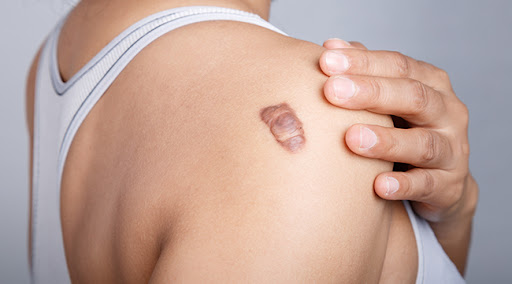
Keloids refer to a phenomenon where fibrous tissue develops abnormally during the healing process of damaged skin, causing a lump or nodule to grow larger than the size of the inflamed area of a wound on the body.
These keloids are harder than other scars, raised above the skin surface, and can have an irregular surface, appearing reddish or brownish.
Keloids and Vision Correction Surgery
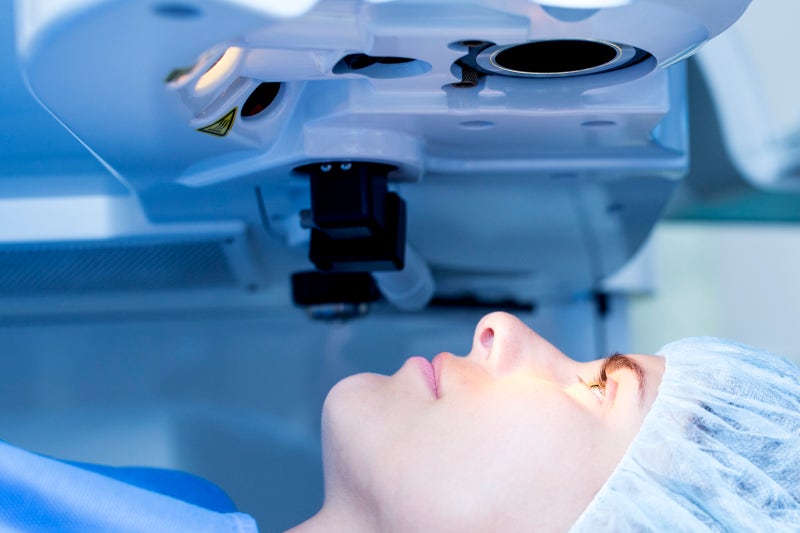
There are broadly three types of laser vision correction surgery: LASIK, LASEK, and SMILE.
It is commonly known that individuals with a keloid tendency should avoid LASEK surgery, which requires wound healing.
This is because LASEK involves completely removing the corneal epithelium and then allowing it to heal, which carries the possibility of a keloid reaction occurring during the corneal epithelial healing process, leading to corneal swelling or opacity.
Since the tissue components of the skin and cornea are different, the probability of a problem occurring is not significantly high.
However, if LASIK or SMILE LASIK is possible, there is no reason to undergo surgery with the risk of corneal opacity.
Therefore, we recommend proceeding with LASIK or SMILE LASIK rather than LASEK.
Furthermore, opinions may vary depending on the medical staff's assessment, so please be sure to consult sufficiently with your attending physician or counselor to choose the surgical method appropriate for you.
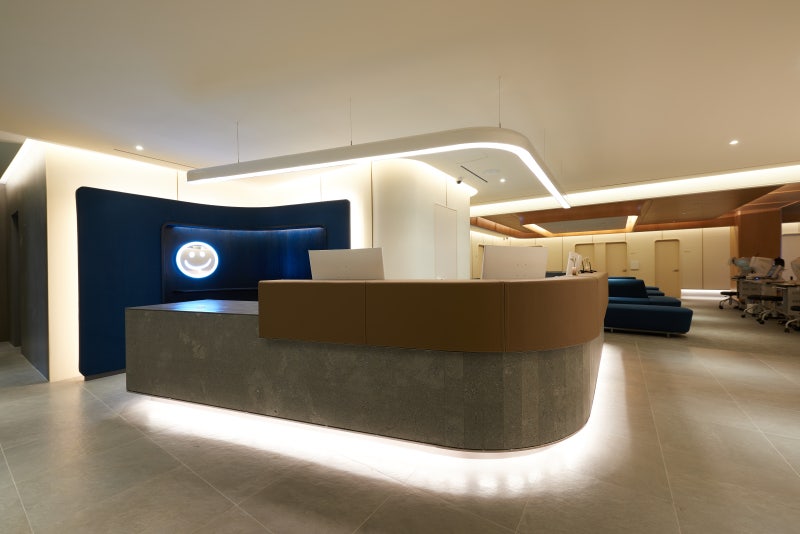
Gangnam Smile Eye Clinic
With a university hospital-level examination system, we consider various factors, including the patient's eye and corneal condition, as well as keloid reaction status, to provide a precise diagnosis and recommend vision correction surgery within a safe range.
We also genuinely treat each patient with 1:1 customized consultations, prioritizing transparency and safety.
If you have any other questions, please feel free to contact the eye clinic at any time.
💙🤍 𝖦𝖠𝖭𝖦𝖭𝖠𝖬 𝖲𝖬𝖨𝖫𝖤 𝖤𝖸𝖤 𝖢𝖫𝖨𝖭𝖨𝖢💙🤍
𝗧𝗛𝗘 𝗟𝗜𝗚𝗛𝗧 𝗔𝗡𝗗 𝗧𝗛𝗘 𝗢𝗖𝗘𝗔𝗡 𝗜𝗡 𝗬𝗢𝗨𝗥 𝗦𝗠𝗜𝗟𝗘
LASEK keloid LASIK keloid keloid SMILE LASIK Gangnam SMILE LASIK SMILE LASIK Gangnam Gangnam eye clinic recommendation Gangnam eye clinic

Today LASEK SMILE Eye Clinic



Frequently Asked Questions
Can individuals with a keloid tendency undergo vision correction surgery?
Yes, individuals with a keloid tendency can undergo vision correction surgery. However, LASIK or SMILE LASIK is recommended over LASEK, and it is essential to choose the appropriate surgical method after a thorough preliminary examination and sufficient consultation with medical staff.
What exactly are keloids?
Keloids are a phenomenon where fibrous tissue develops abnormally during the healing process of damaged skin, causing a lump or nodule to grow larger than the wound area. They are harder and more irregular than other scars, and can appear red or brown.
Should individuals with a keloid tendency avoid LASEK surgery?
Yes, it is generally advised that individuals with a keloid tendency avoid LASEK surgery. LASEK involves removing the corneal epithelium and allowing it to heal, which carries the risk of a keloid reaction occurring during the healing process, potentially leading to corneal swelling or opacity.
What vision correction surgeries are recommended for individuals with a keloid tendency?
For individuals with a keloid tendency, LASIK or SMILE LASIK is recommended. Although the probability of a problem is not high due to the different tissue components of the skin and cornea, it is better to consider these two surgeries over LASEK to avoid the risk of corneal opacity.
What examinations are performed before vision correction surgery?
Before vision correction surgery, a preliminary examination thoroughly checks various items, including vision and corneal condition, as well as genetic diseases, pregnancy potential, and medications being taken. At Gangnam Smile Eye Clinic, we also consider the keloid reaction status for a precise diagnosis.