2026-07-14
Bulbous Nose, Hump Nose, Low Nose | Baba Plastic Surgery: Type-Specific Rhinoplasty, Finding the Right Direction for Your Nose
Rhinoplasty at Baba Plastic Surgery offers tailored solutions for various nose types like bulbous, hump, or low noses, focusing on natural harmony with individual facial features.

As the nose is located at the center of the face,
even a small change can significantly impact one's overall impression.
However, not all nose surgeries are performed using the same method.
Because each person's nose height, shape, skin thickness, and tip structure are different,
the necessary surgical approach can also vary depending on the current state of the nose.
Recently, there has been a growing emphasis on achieving a nose that naturally harmonizes with an individual's face, rather than simply aiming for a high and flashy nose,
leading to increased interest in type-specific rhinoplasty.
Why Type-Specific Rhinoplasty is Important
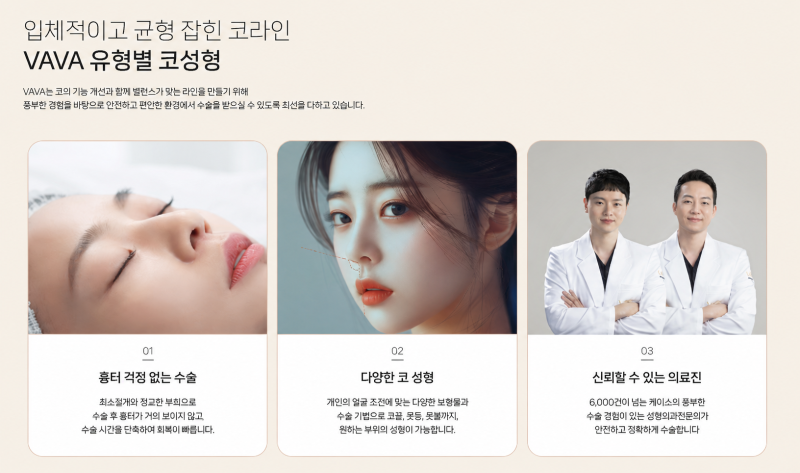
People have different concerns about their noses.
Some may be concerned about a low nasal bridge,
while others may be stressed by a bulbous or hump nose.
Furthermore, even for the same bulbous nose,
the surgical approach can differ depending on whether the cause is skin thickness or the structure of the nasal tip cartilage.
Therefore, rather than simply following trendy designs,
accurately analyzing the current state of the nose is crucial.
If You're Concerned About a Low Nose

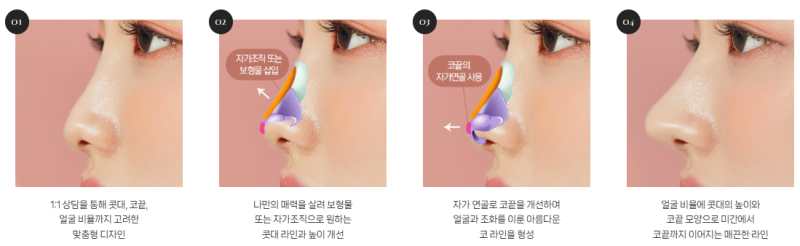
A low nose can make the face appear to lack overall dimension
or give the impression that the center of the face is indistinct.
In such cases, an approach that considers the balance between the nasal bridge and tip together
to create a clearer image can be considered.
However, simply increasing the height is not always the most important factor.
A design that considers facial proportions and harmony
can lead to more natural results.
If You're Concerned About a Bulbous Nose

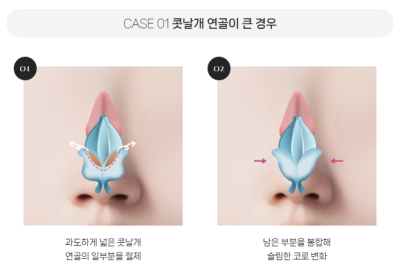
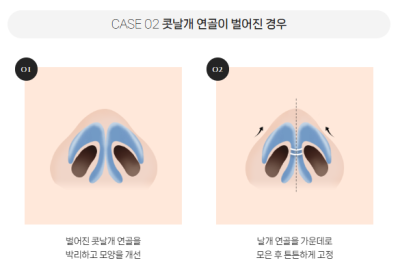
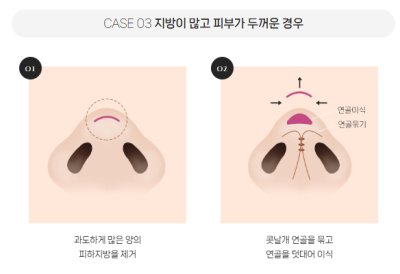
A bulbous nose is characterized by a round and wide nasal tip.
Many people seek consultation because their nose often appears large from the front
or gives a stuffy impression.
For a bulbous nose, it's important to consider the shape of the nasal tip and the cartilage structure together,
rather than simply increasing the height.
Since the approach can vary depending on the cause,
an accurate analysis of the individual's condition is necessary.
If You're Concerned About a Hump Nose

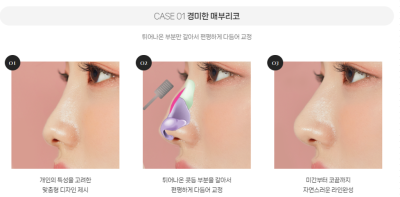
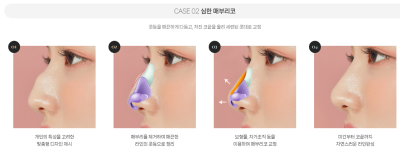
A hump nose has a protruding nasal bridge,
which can give a strong or sharp impression.
Recently, even when correcting a hump nose,
many prefer a naturally refined line rather than an excessively high and flashy nose.
It is especially important to consider the balance from both the front and side views.
If You're Concerned About an Arrowhead Nose

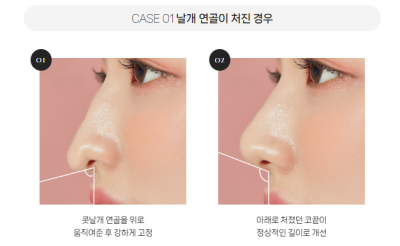
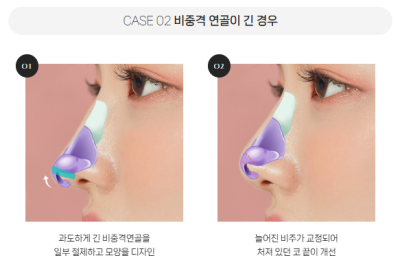
An arrowhead nose refers to a shape where the nasal tip appears to droop downwards.
It can give a somewhat melancholic or aged impression, especially when expressionless,
and can also make the corners of the mouth appear to droop even without smiling.
For an arrowhead nose, it's important to consider the direction and angle of the nasal tip together,
rather than simply raising the nasal bridge.
If You're Concerned About a Crooked Nose

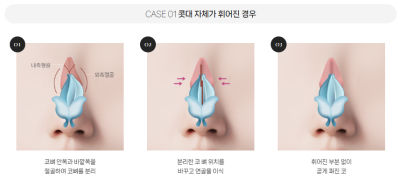
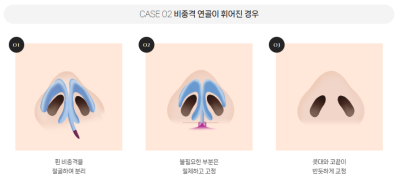
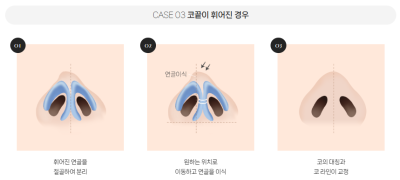
A crooked nose is a shape where the nose appears to be bent to one side,
which can cause the overall facial balance to appear disrupted from the front.
Many people are concerned because their nose looks crooked in photos
or one side of their face appears larger.
Furthermore, in addition to aesthetic concerns,
it can sometimes be accompanied by a deviated septum,
leading to functional discomfort.
Correcting a crooked nose is not just about adjusting the height;
it's crucial to consider the central axis of the nose and overall balance.
If You're Concerned About a Short Nose or Upturned Nose

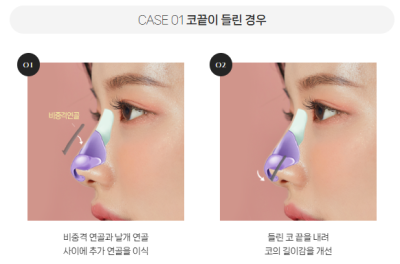
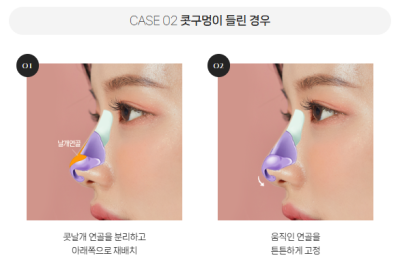
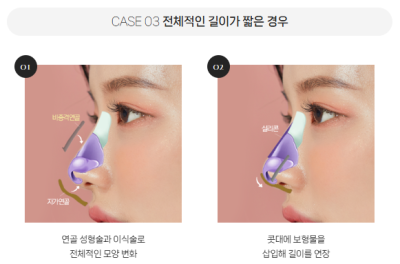
A short nose or upturned nose is characterized by a short-looking nose length
or visible nostrils.
In such cases, the approach involves considering the direction and length of the nasal tip together
to achieve overall balance.
A design that considers facial proportions and harmony can be particularly important.
Why Surgical Approaches Differ Even for the Same Nose Type
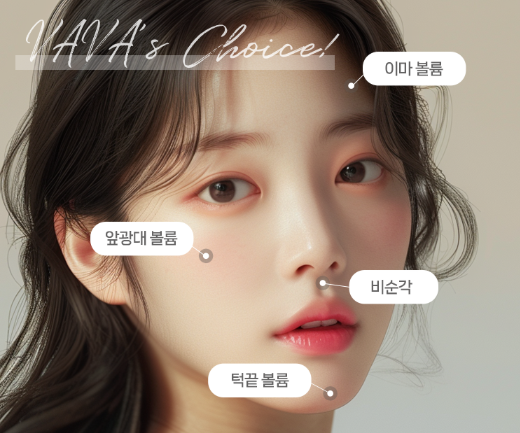
Even for the same bulbous nose or hump nose,
the results can vary depending on skin thickness, cartilage structure, and face shape.
Therefore, rather than simply referring to specific cases,
it is important to accurately diagnose the current condition
and find the appropriate direction for the individual.
Key Considerations in Type-Specific Rhinoplasty Consultations
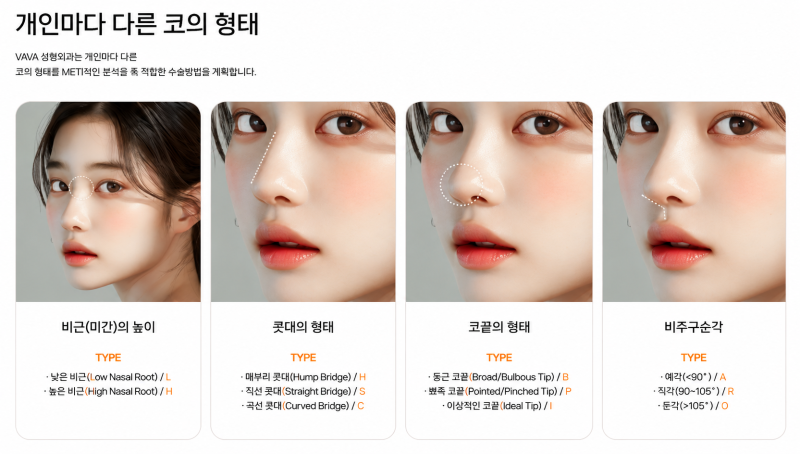
In type-specific rhinoplasty consultations,
• Skin thickness
• Nasal tip structure
• Nasal bridge height
• Facial proportions
• Front and side impressions
are comprehensively evaluated.
At Baba Plastic Surgery,
after meticulously analyzing the individual's nose condition,
we propose a surgical approach tailored to their nose type,
prioritizing natural and harmonious results over excessive changes.
Conclusion

Rhinoplasty is not merely a surgery to heighten the nose;
it is a process of accurately analyzing the current nose type and structure
and finding the appropriate direction for the individual.
Since the necessary approach can vary depending on the type, such as bulbous nose, hump nose, low nose, or short nose,
it is important to confirm the right direction for you through sufficient consultation and diagnosis.
Recently, there has been a growing preference for results that naturally harmonize with the face, rather than unconditionally flashy changes,
so we recommend starting with an accurate assessment of your current nose condition.