2026-09-03
Apgujeong Plastic Surgery Facelift: Understanding the Process Makes Your Choice Easier
Learn about the facelift process at Apgujeong plastic surgery, from initial consultation to recovery, to make an informed decision.
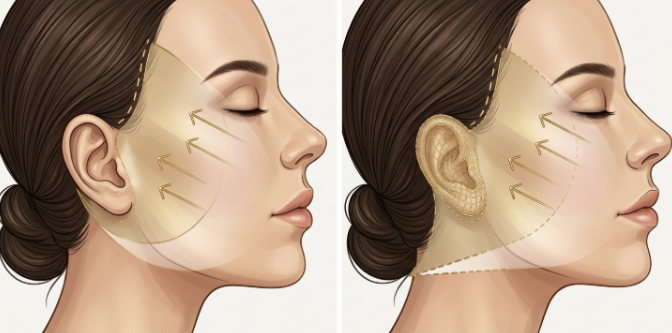
※ This article is intended to provide medical information.
It is not subject to review under Article 56, Paragraph 2 and Article 57 of the Medical Act, and is not an advertisement unrelated to review content.
Hello,
I am Dr. Park Jeong-geun,
Director of Faceplus Plastic Surgery Clinic.
As we age, the first thing that changes
is the facial contour, even more so than wrinkles.
When the cheeks sag and the jawline blurs,
it often gives a tired or aged impression.
At this point, many people become interested in
facelifts.
However, because they don't know how it's performed
or what the surgical process entails,
many feel a vague burden.
Today, I will summarize the general process of a facelift at Apgujeong plastic surgery, along with helpful information to know before the surgery.
Table of Contents | ||
1. When a facelift is needed 2. How is a facelift performed? 3. Post-surgery recovery process 4. Things to check before choosing |
1. When a facelift is needed
A facelift at Apgujeong plastic surgery is not just a surgery that
improves wrinkles.

It aims to refine the overall facial contour by considering not only the skin but also the sagging soft tissues and the supporting structures of the face.
Specifically, a facelift may be considered in the following cases:
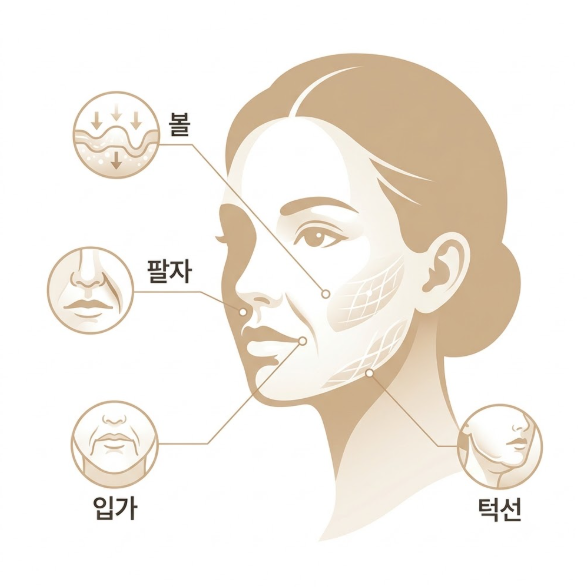
When the jawline collapses, appearing like a double chin
When nasolabial folds and marionette lines deepen
When sagging cheeks make the face appear wider
When reduced skin elasticity creates a tired impression
Since not all sagging is caused by the same reason,
it is important to accurately assess the current facial condition first.
2. How is a facelift performed?
Many people tend to think of a facelift at Apgujeong plastic surgery as simply pulling the skin.
However, the actual process is a bit different.
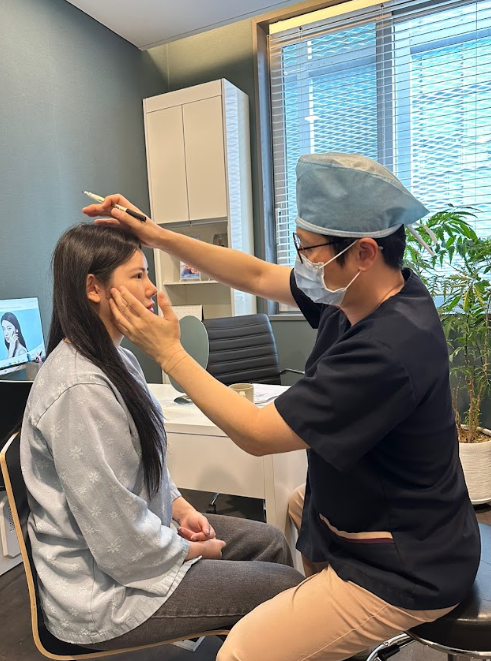
First, through consultation, the degree of sagging, facial proportions,
skin condition, elasticity, fat volume, etc., are comprehensively
assessed.
Then, the incision location and lifting direction are planned
to suit the individual's facial structure.
The surgery generally proceeds in the order of design, incision, tissue dissection,
deep layer lifting, skin trimming, and suturing.
Instead of excessively pulling the skin,
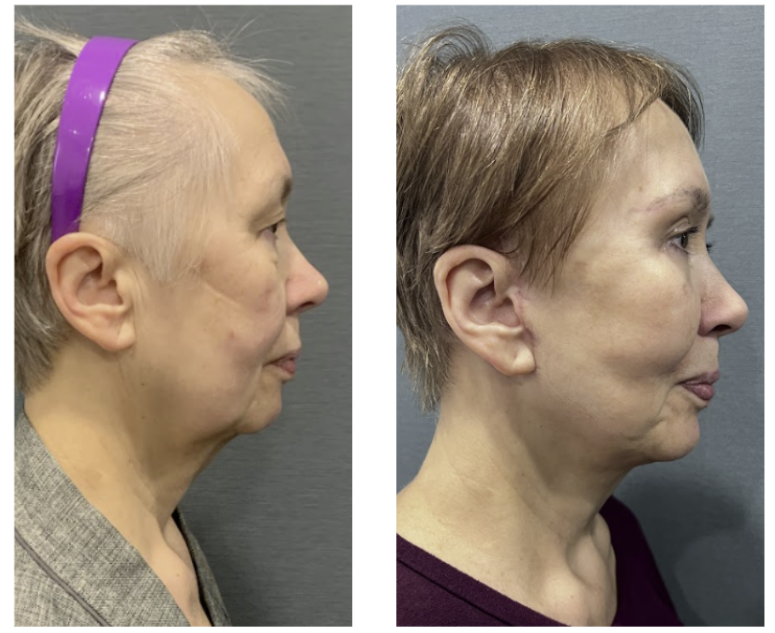
it is performed by repositioning the supporting structures of the face in the appropriate direction,
and then naturally trimming the excess skin.
This helps reduce the possibility of an unnatural expression or
a pulled appearance.
Thus, for a facelift at Apgujeong plastic surgery,
the individual design and lifting direction planning are more important factors
than the surgery itself.
3. Post-surgery recovery process
The final result is not immediately achieved once the surgery is over.

Initially, swelling and bruising may appear,
which will gradually subside naturally over time.
Although there are individual differences,
initial swelling gradually decreases over time,
and the facial contour will gradually stabilize.
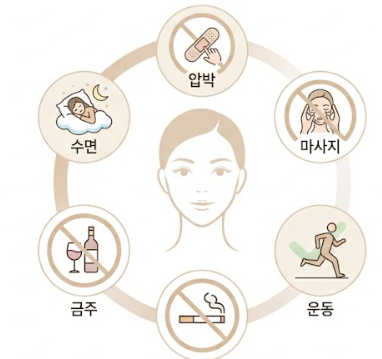
During the recovery period,
it is important to avoid strenuous exercise, alcohol, and smoking,
and to follow the medical team's instructions for care.
Additionally, regular follow-up checks to monitor the recovery status
can also be helpful.
A facelift at Apgujeong plastic surgery also
can expect more stable results when both surgery and recovery management are performed together.
4. Things to check before choosing
For a facelift, since each individual has
different causes of sagging and facial structures,
the same method does not apply to everyone.
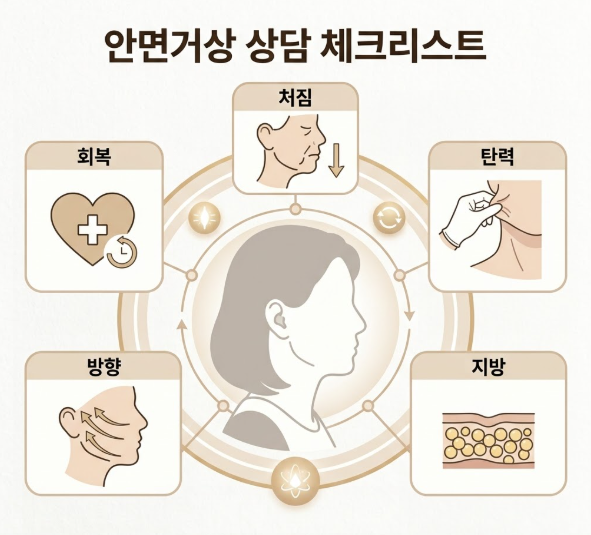
Therefore, rather than simply comparing incision size or cost,
it is advisable to also check:
What is the cause of the current sagging?
Which layers are being targeted for lifting?
Is the design considering facial proportions?
How is the recovery process guided?
etc.
Especially if you are looking into a facelift at Apgujeong plastic surgery,
it can help make a more rational choice to see if there is sufficient explanation of the surgical process and if individual plans are systematically made.
-Operating Hours-
Weekdays 9:00 ~ 18:00 Saturdays 9:00 ~ 16:00 Public Holidays / Sundays Regular closure |
-Contact Us-
Faceplus Plastic Surgery Clinic | ||
Consultation Phone: 02-541-8500 Inquiries: KakaoTalk Inquiry |
-Directions-
Frequently Asked Questions
In what cases can a facelift be considered?
A facelift can be considered when the jawline collapses, appearing like a double chin; when nasolabial and marionette lines deepen; when sagging cheeks make the face appear wider; or when reduced skin elasticity creates a tired impression. It aims to refine the overall facial contour, beyond just wrinkle improvement.
How is a facelift surgery performed?
Facelift surgery begins with a comprehensive assessment of the degree of sagging and facial proportions through consultation. It then proceeds with individual design, incision, tissue dissection, deep layer lifting, skin trimming, and suturing. It involves repositioning the facial supporting structures and naturally trimming excess skin, rather than simply pulling the skin.
What is the recovery process like after a facelift surgery?
Initially, swelling and bruising may appear after surgery, which will gradually subside naturally over time. During the recovery period, it is important to avoid strenuous exercise, alcohol, and smoking, and to follow the medical team's instructions for care. Regular follow-up checks to monitor recovery status are also helpful.
What should be checked when choosing a facelift surgery?
When choosing a facelift surgery, it is advisable to check not only the incision size or cost but also the cause of the current sagging, which layers are being targeted for lifting, whether the design considers facial proportions, and how the recovery process is guided.
Is a facelift surgery only for wrinkle improvement?
No, a facelift is not just a surgery for wrinkle improvement. It aims to refine the overall facial contour by considering not only the skin but also the sagging soft tissues and the supporting structures of the face. Accurately assessing the individual's facial condition is crucial.