2026-09-03
50s and 60s Thread Lift: Why You Should Consider Nasolabial Folds and Jawline Together
For individuals in their 50s and 60s, a thread lift should address both nasolabial folds and the jawline simultaneously for natural, balanced results, as facial sagging is more complex than in younger age groups.
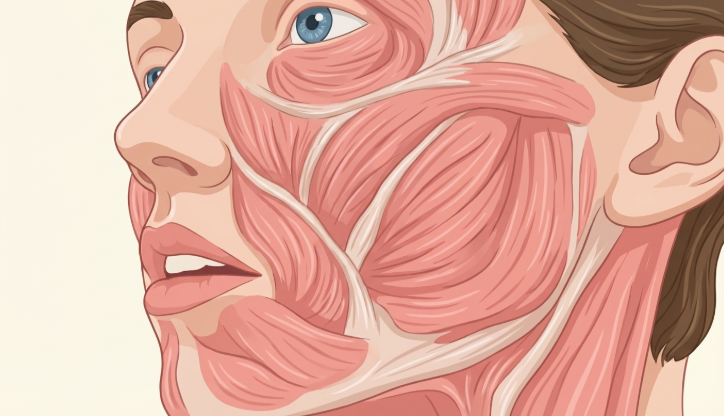
※ This article is intended to provide medical information.
It is not subject to deliberation under Articles 56(2) and 57 of the Medical Service Act,
and we inform you that it is not an advertisement unrelated to the deliberation content.
Hello,
I am Dr. Park Jung-geun,
Director of Face Plus Plastic Surgery Clinic,
specializing in thread lifts for individuals in their 50s and 60s.

Many people who come for thread lift consultations say,
‘I just want to get rid of my nasolabial folds.’
However, if you only focus on the nasolabial folds,
the results are often not as good as expected.

Nasolabial folds and the jawline do not move independently;
they change together as the same tissue sags.
If you only address one side, the other will look unnatural.
Especially for those in their 50s and 60s, the amount and direction of sagging
are significantly different from those in their 40s,
requiring a different treatment plan.
Table of Contents | ||
1. Why should facial sagging in the 50s and 60s be approached differently? 2. Why are nasolabial folds and the jawline connected? 3. Thread lift procedure 4. Recovery and precautions after the procedure |
1. Why should facial sagging in the 50s and 60s be approached differently?
As we age, not only does skin elasticity decrease,
but the fat layer and fascia beneath the skin
also descend.
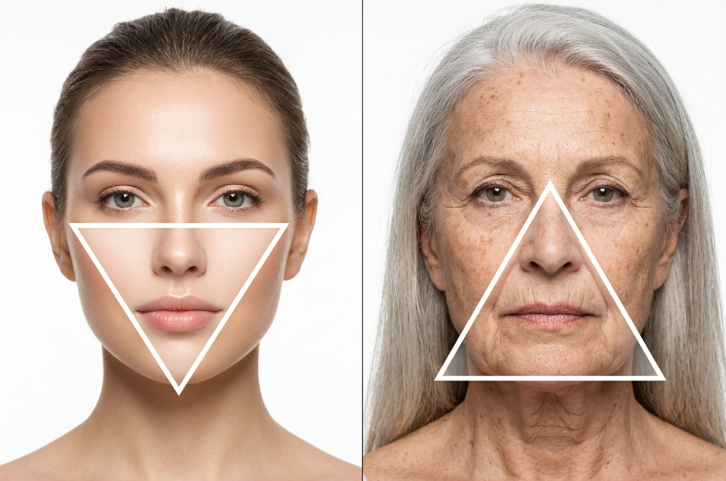
While decreased elasticity is the main cause for those in their 40s,
for those in their 50s and 60s, volume displacement and structural sagging
occur simultaneously.
If this difference is ignored,
the lift may quickly revert,
or the results may look unnatural.
Considering the amount and direction of sagging, as well as skin thickness,
the placement and direction of the threads must be carefully designed
to achieve effective results for those in their 50s and 60s.
2. Why are nasolabial folds and the jawline connected?
When the cheek fat sags downwards,
two things happen simultaneously.
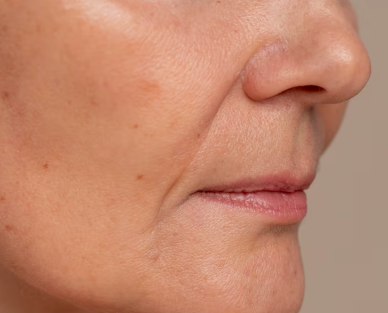
The descended cheek fat deepens the nasolabial folds
and spills over the jawline,
causing the jawline to collapse and appear like a double chin.
Therefore, if threads are only inserted into the nasolabial fold area
to address it alone, the jawline remains unchanged,
leading to an overall imbalance.
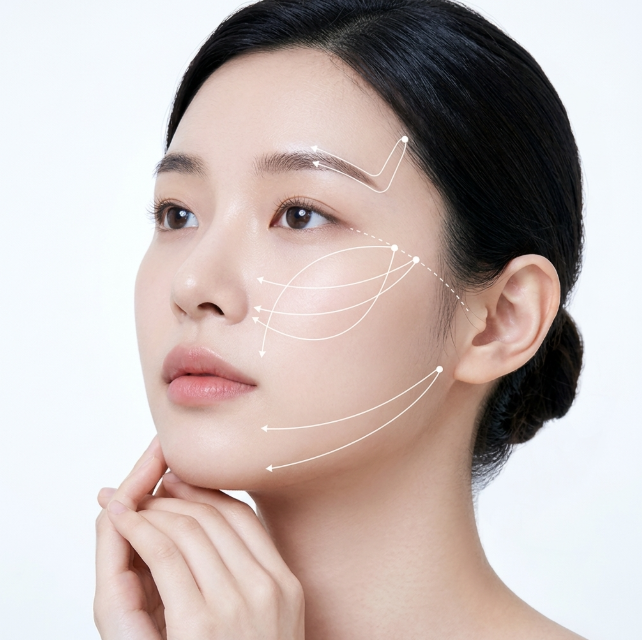
Designing the lift to pull the cheek fat upwards
simultaneously softens the nasolabial folds and refines the jawline.
This is precisely why we consider both nasolabial folds and the jawline
during consultations.
3. Thread lift procedure
A thread lift is a procedure where threads are inserted beneath the skin
to lift sagging tissue.
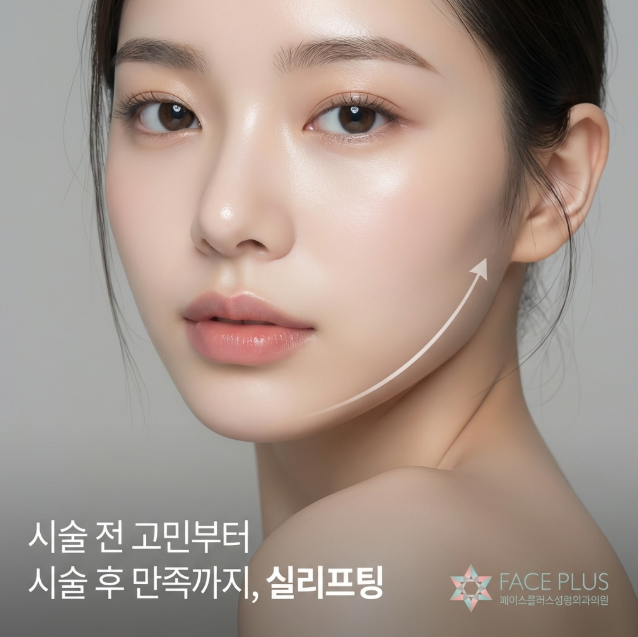
Since it is performed with fine needles without incision,
the procedure usually takes between 30 minutes and 1 hour.
It is done under local anesthesia,
and there is almost no pain during the procedure.
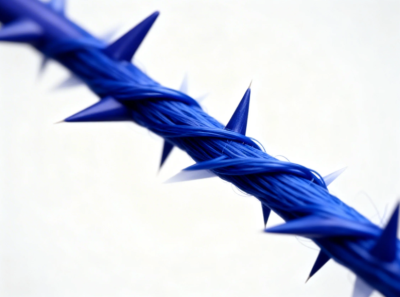
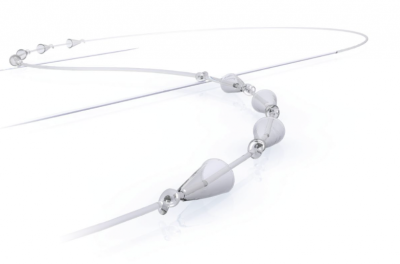
The type of thread, insertion direction, and number of threads
vary depending on the degree and area of sagging,
and this design is crucial for determining the results.
For those in their 50s and 60s, there is often a significant amount of sagging,
so the number and direction of threads are often planned
more meticulously than for those in their 40s.
4. Recovery and precautions after the procedure
Immediately after the procedure, some swelling and bruising may occur,
which usually subsides within 3 to 5 days.
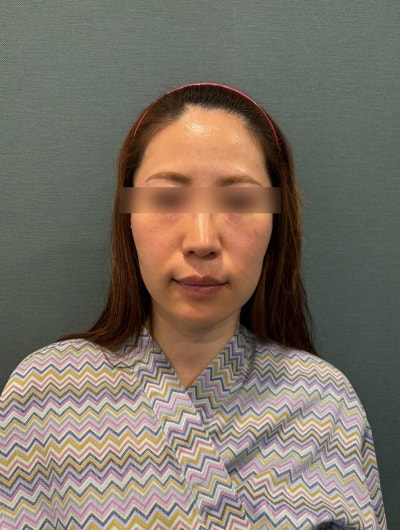
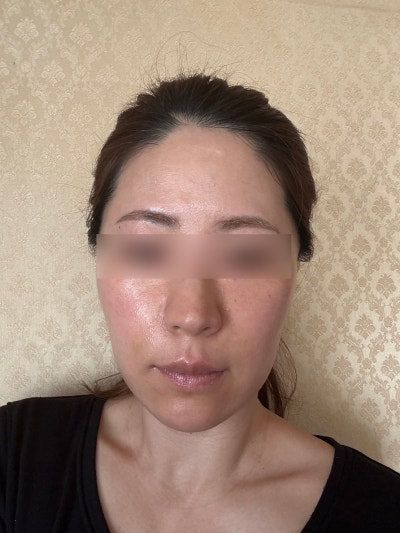
Daily activities are possible from the next day,
but it is best to avoid strong massages or pressing the face firmly
for about 2 to 4 weeks.
Within 2 weeks after the procedure,
we recommend refraining from opening your mouth wide.
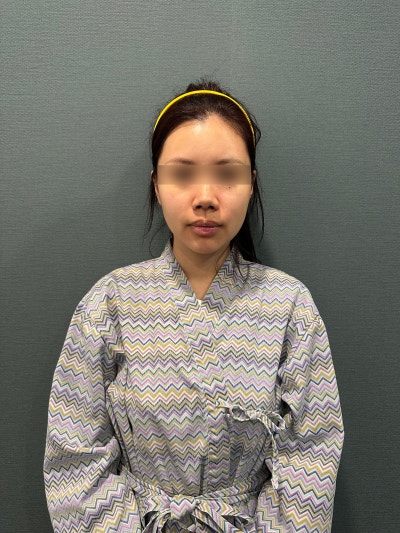
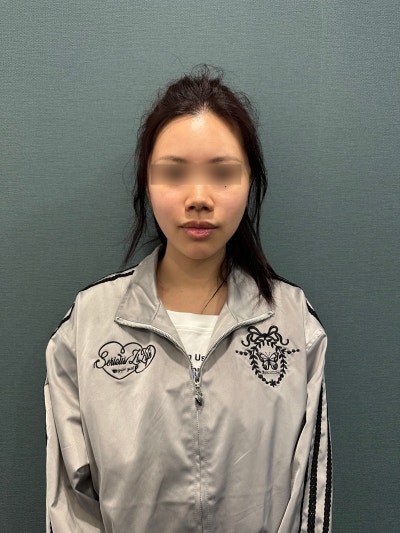
The effects become noticeable not immediately after the procedure,
but from 2 to 4 weeks later as swelling subsides,
and results continue to improve until 3 months as collagen regeneration occurs.
The duration of results varies depending on the type of thread,
but it typically lasts between 1 and 2 years.
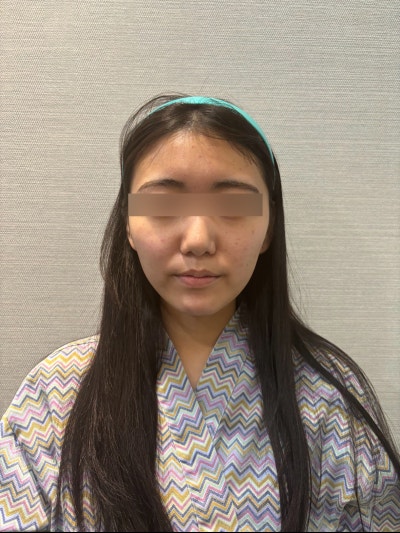
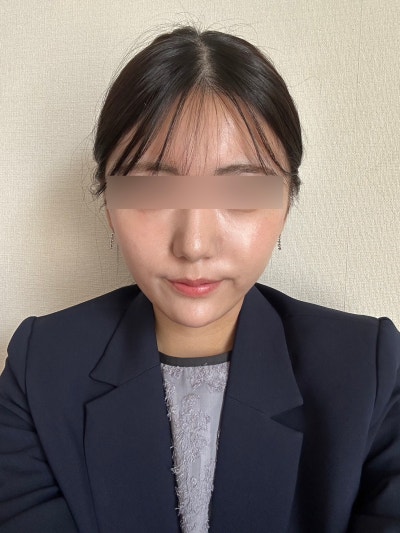
For thread lifts in the 50s and 60s, it is more important to achieve overall balance
than just focusing on where and how much to lift.
We recommend considering both the nasolabial folds and the jawline together,
rather than deciding based solely on the nasolabial folds, and receiving a personalized plan for your face.
-Operating Hours-
Weekdays 9:00 ~ 18:00 Saturdays 9:00 ~ 16:00 Public Holidays / Sundays Regular closure |
-Contact Us-
Thread lift for 50s and 60s Face Plus Plastic Surgery Clinic | ||
Consultation Phone: 02-541-8500 Inquiries: KakaoTalk Inquiry |
-Directions-
Thread lift for 50s and 60s
Frequently Asked Questions
Is a thread lift for individuals in their 50s and 60s different from those in their 40s?
Yes, it is different. In addition to decreased skin elasticity, individuals in their 50s and 60s experience complex aging phenomena such as fat layer and fascia sagging, and volume displacement. Therefore, a different design and approach are required compared to those in their 40s.
Can nasolabial folds be improved with a thread lift alone?
No, improving nasolabial folds alone can lead to unnatural results. As cheek fat sags, nasolabial folds deepen and the jawline also collapses. Therefore, it is important to consider both the nasolabial folds and the jawline together to achieve overall balance.
How long does a thread lift procedure take?
It usually takes about 30 minutes to 1 hour. It is performed with fine needles without incision, under local anesthesia, and there is almost no pain during the procedure.
What is the recovery period after a thread lift?
Some swelling and bruising may occur immediately after the procedure, but they usually subside within 3 to 5 days. Daily activities are possible from the next day, and it is best to avoid strong massages or pressing the face for 2 to 4 weeks.
When do the effects of a thread lift appear, and how long do they last?
The main effects become visible not immediately after the procedure, but from 2 to 4 weeks later as swelling subsides, and results continue to improve until 3 months due to collagen regeneration. The duration of results varies depending on the type of thread, but it typically lasts between 1 and 2 years.
Is a thread lift procedure very painful?
No, there is almost no pain during the procedure. A thread lift is performed under local anesthesia, using fine needles to insert threads beneath the skin without incision.