2026-09-03
20s Facelift: Effects, Recovery, and Scar Standards You Must Know If You're Considering It
Considering a facelift in your 20s? Learn about the effects, recovery period, and scar considerations to make an informed decision.
※ This article is intended to provide medical information.
It is not subject to review under Article 56, Paragraph 2 and Article 57 of the Medical Act,
and is not an advertising post unrelated to review content.
Hello,
I am Dr. Park Jeong-geun,
Director of Face Plus Plastic Surgery Clinic.
The most common question I receive from people in their 20s considering a facelift in the consultation room is,
Am I the right age for this surgery?
This question is, in fact, very natural.
This is because, generally, people in their 20s and facelift surgery are not easily associated.
However, during consultations, it is clear that changes can appear on the face regardless of age.
This is the case when someone has naturally weak skin elasticity, or when facial fat accumulates downwards, causing the jawline or cheek area to sag noticeably earlier than their peers.
In such cases, what is important is not the criterion of ‘why do it when you’re young,’ but rather,
accurately identifying the cause of the changes currently visible on the face.
The effects are clear, but greater caution is needed for faces in their 20s.
A facelift is a surgery with a clear range of change.
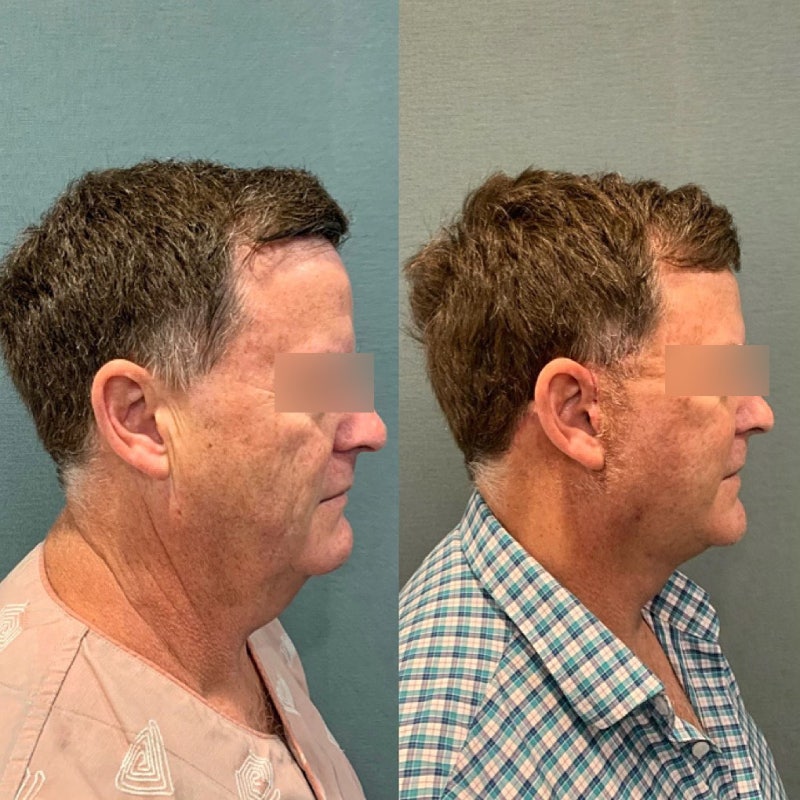
Since it doesn't just pull the skin surface but also addresses the underlying structures causing the sagging, the lifting effect itself can be distinctly felt.
However, for faces in their 20s, this change does not always act as an advantage.
If excessive pulling is applied at a time when volume is still sufficient,
an artificial impression may appear before a defined look.
Therefore, when explaining the effects, I focus not on ‘how much it can be pulled,’ but rather on where the sagging actually began and whether the degree of sagging requires surgery.
Recovery period is as important as the results.
Some people tend to consider the recovery period relatively lightly when contemplating surgery,
but in reality, it is a factor that greatly influences satisfaction.
Although there are differences depending on the scope of the surgery, a certain amount of time is needed for swelling and bruising to subside to an unnoticeable level.
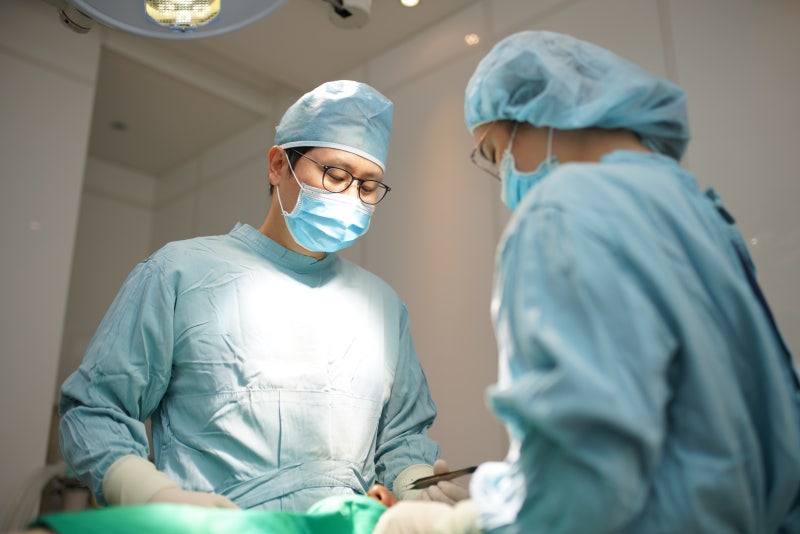
It cannot be assumed that recovery is always fast just because one is in their 20s.
On the contrary, because it is a period of high activity and frequent schedules,
some may experience the discomfort of the recovery process more intensely.
You should also consider that the surgical results are not finalized on the day of the surgery but gradually settle in during the recovery process.
Scars are also part of the surgical outcome.
As facelift surgery, including other lifting procedures, requires incisions, concerns about scars cannot be overlooked.
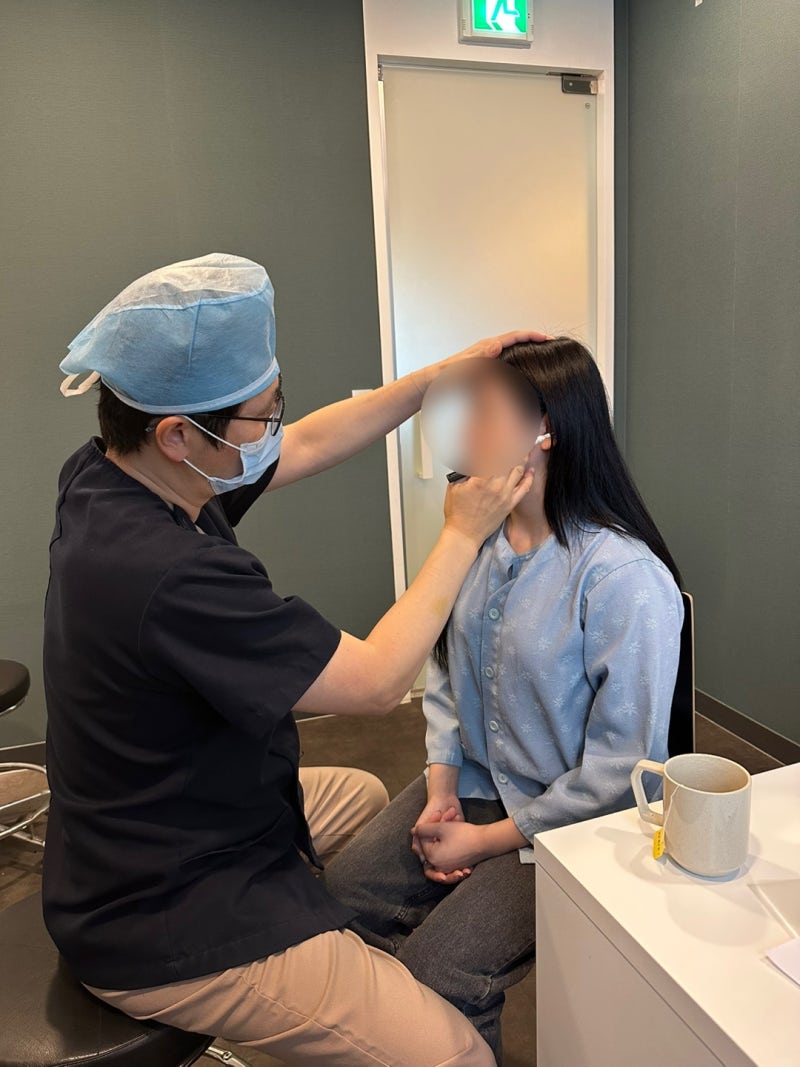
Although the degree of exposure may vary depending on the incision location and suturing method,
scar management is not automatically easier just because one has skin in their 20s.
While I consider minimizing scars important, even more crucial is whether the changes to be gained are clear enough to warrant enduring those scars.
This surgery is not a choice that can be decided by simply the word ‘lifting,’
but rather one that requires judgment by considering the overall facial impression and harmony.
A facelift is not a surgery that yields the same answer for everyone.
This is especially true for those in their 20s.
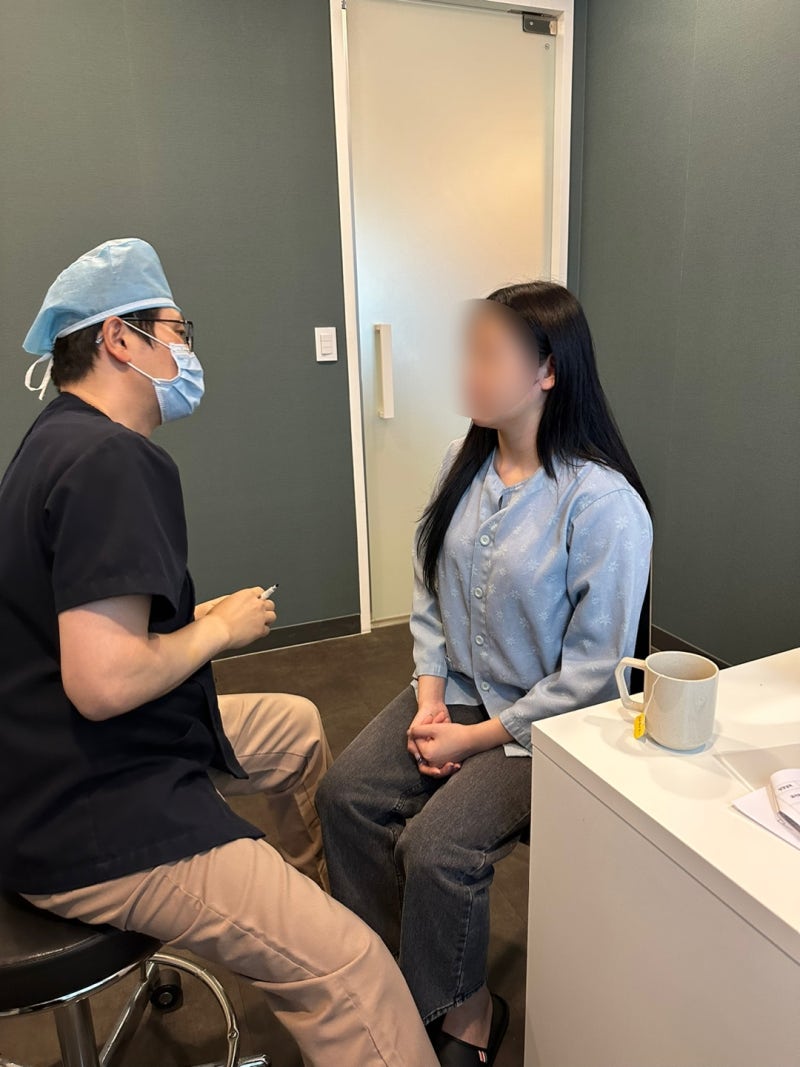
I believe that the process of calmly organizing what changes on your face genuinely feel like a problem, rather than vague anxieties or expectations, should come first.
I hope this article has been of some help in organizing your thoughts.
-Operating Hours-
Weekdays 9:00 ~ 18:00 Saturdays 9:00 ~ 16:00 Holidays / Sundays Regular closure |
-Contact Us-
Face Plus Plastic Surgery Clinic | ||
Consultation Phone: 02-541-8500 Inquiries: KakaoTalk Inquiry |
-Directions-
Frequently Asked Questions
Can people in their 20s get a facelift?
Yes, even in their 20s, if one has naturally weak skin elasticity or facial fat accumulates downwards, causing the jawline or cheek area to sag earlier than their peers, a facelift can be considered. The important thing is to accurately identify the cause of facial changes rather than age.
What are the effects of a facelift for people in their 20s?
A facelift addresses the underlying structures causing sagging, so the lifting effect is definite. However, faces in their 20s still have sufficient volume, and excessive pulling can create an artificial impression rather than a defined look. Therefore, a cautious approach focused on whether the stage requires surgery is necessary.
How long is the recovery period after a facelift?
While it varies depending on the scope of the surgery, a certain amount of time is needed for swelling and bruising to subside to an unnoticeable level. It cannot be assumed that recovery is always fast just because one is in their 20s, and those with high activity levels may experience greater discomfort during recovery.
How are scars managed after a facelift?
Since a facelift requires incisions, concerns about scars are inevitable. The degree of exposure may vary depending on the incision location and suturing method, but scar management is not automatically easier just because one has skin in their 20s. Along with minimizing scars, it is important to consider whether the changes are significant enough to warrant enduring those scars.
What is the most important consideration for a facelift in your 20s?
For a facelift in your 20s, it's not just about the lifting effect; it's about judging the overall facial impression and harmony. Rather than vague expectations, the process of calmly organizing what changes on your face genuinely feel like a problem should come first.