2026-09-07
Jangchung-dong Dental Clinic: Precautions for Root Canal Treatment Using MTA (Cracked Teeth, Deep Cavities)
MTA is a beneficial material for preserving tooth vitality in cases of deep cavities with exposed nerves or cracked teeth. However, it's not a universal solution and requires careful selection for optimal results.
Hello.
I am Dr. Kim Tae-young, chief director of Bareunyoung Dental Clinic in Jangchung-dong.
I have previously written several case studies mentioning a material called MTA.
This material, due to its properties, helps stabilize the nerve,
making it possible to save a part of the tooth's nerve in deep cavities where the nerve is exposed,
or in cracked teeth.
Therefore, it is an excellent material for maintaining tooth vitality.
However, it cannot be used in all cases.
The nerve must not be contaminated,
and it should be selectively used for asymptomatic teeth.
While it is a good material, it cannot always be applied.
Even if applied, if an inflammatory reaction occurs in the nerve,
root canal treatment will ultimately be necessary.
However, having the opportunity to attempt to save the nerve one more time instead of proceeding directly with treatment
is a very important opportunity, I believe.
Today, let's look at a few cases where MTA was used.
Jangchung-dong Dental Clinic: Precautions for Root Canal Treatment Using MTA (Cracked Teeth, Deep Cavities)
1. My filling fell out and it hurts when I chew.
The patient I'm about to introduce
was a case mentioned in the very early days of this blog.
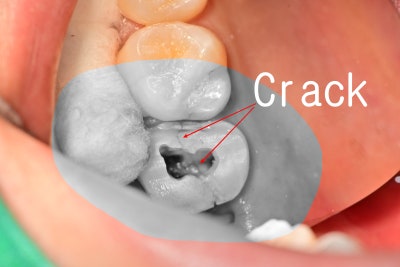
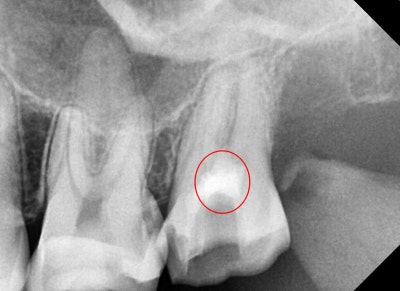
As indicated by the arrows in the photo,
you can see a clear crack, or fracture, running across the tooth.
Strangely, even then, the patient had almost no symptoms,
and since the patient was reluctant to have an extraction,
MTA was used as a last resort. Recently, the patient visited us for their one-year follow-up after treatment.
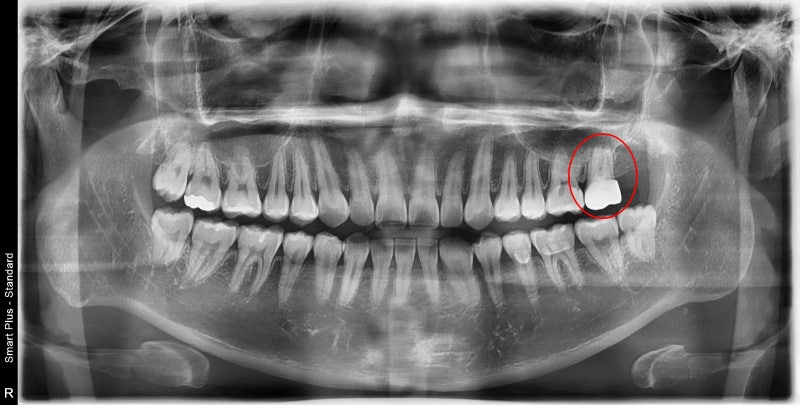
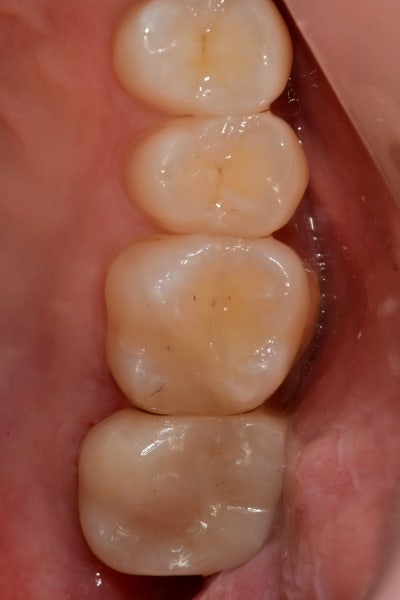
No particular problems were found
on X-rays, visual inspection, or other examinations.
Although the prognosis was not very good, it's fortunate that it's been a year. However,
I also felt that I should ensure frequent follow-ups to check occlusion and symptoms.
Even now, if a patient comes in with a crack of this severity,
I would likely recommend extraction.
MTA is not a panacea; various circumstances seemed to maximize the material's advantages in this case.
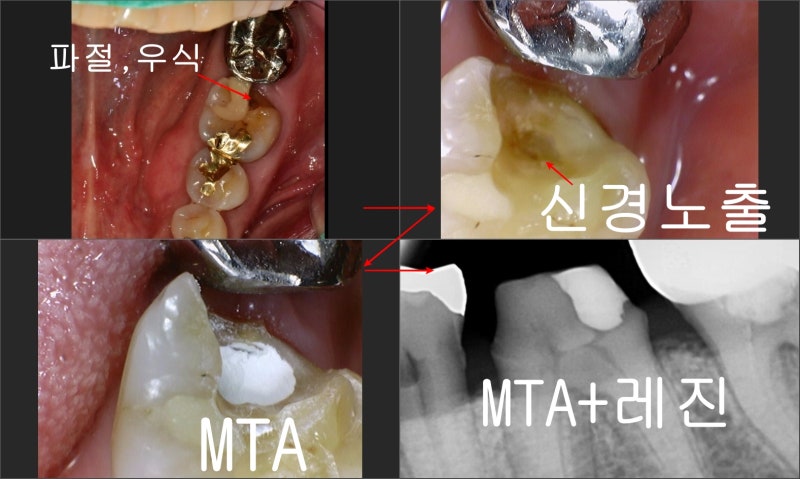
2. Nerve exposure due to deep cavity
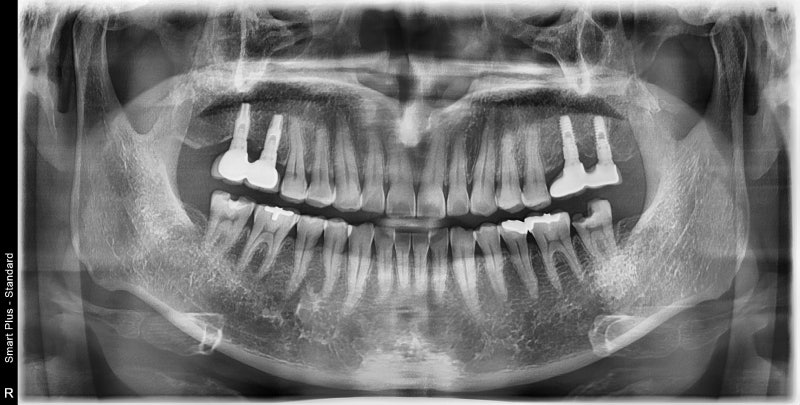
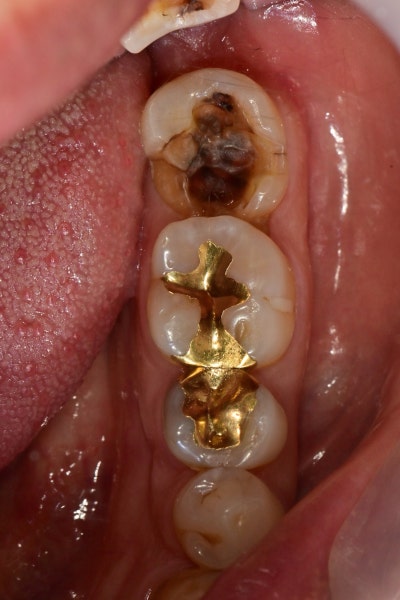
The patient visited us after an old restoration on the lower left tooth had fallen out
and been left untreated.
The patient expressed a desire to receive treatment without undergoing root canal therapy.
After removing the old adhesive and the unhealthy tooth structure affected by the cavity,
the nerve was exposed. Although it wasn't necrotic, the exposure was extensive.
Since the area needed to be thoroughly disinfected and MTA applied,
the remaining exposed nerve tissue was removed, and hemostasis was achieved.
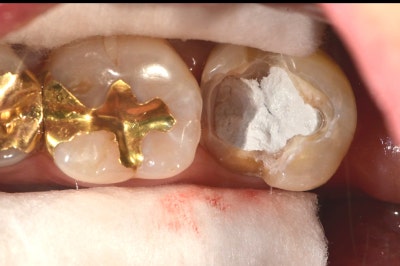
Although brownish, the tooth structure was healthy, so it was left as is.
Applied after disinfection and hemostasis.
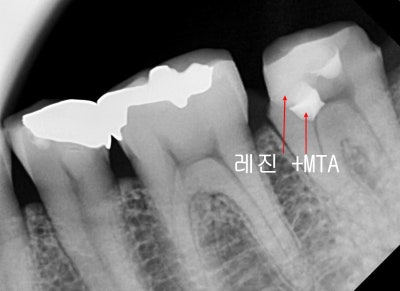
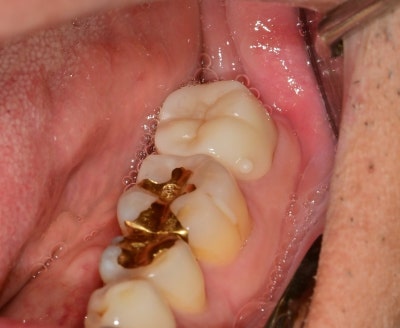
Since MTA, which stabilizes the nerve, is not very strong,
a hard resin material was placed over it to reinforce the tooth,
and then the crown treatment was completed.
3. MTA application for fracture and cavity area
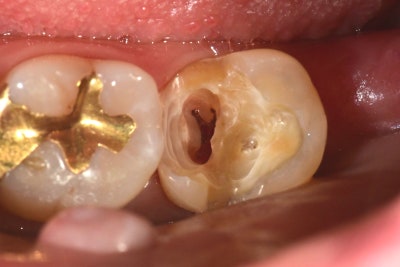
This is a case where a weak material used for a past filling fractured,
a cavity progressed inwards, exposing the nerve canal entrance. After MTA application and resin reinforcement,
the treatment was completed with a crown, following the same process.
Is MTA a panacea?
Dental materials are constantly advancing, and MTA certainly has its advantages.
However, it doesn't mean that it can unconditionally
save the nerve.
But if it's carefully selected and used in appropriate cases,
there's a high probability that
the tooth's vitality can be maintained.
Therefore, I believe it's a good material.
The cases introduced today
are patients who had excellent initial biocompatibility and regularly visit for
check-ups.
For cavities that have extensively progressed to the nerve
or cases where inflammation has already occurred,
root canal treatment is unavoidable.
Today, we learned about MTA,
a material that helps maintain pulp vitality.
In the future, I will take the time to introduce
more case studies.
We have looked at the precautions to take when performing root canal treatment using MTA
at Jangchung-dong Dental Clinic.
If you have any questions, please visit us for a more detailed consultation
tailored to your symptoms.
Thank you^^
▼ Related case studies you might find helpful ▼
I believe that proper treatment leads to proper results. My goal is to create a trustworthy dental clinic where everyone who visits with worries can leave feeling relieved. - Bareunyoung Dental Clinic
Directions: JYJ Building, 2nd floor, 179 Dongho-ro, Jung-gu. Right in front of Exit 6 of Yaksu Station, towards Yaksu Market. Use Village Bus 5 (Yaksu Station), Village Bus 12 (Namsan Town, Yaksu Police Station), or bus stops (Yaksu Heights, Sindang Social Welfare Center, Gaon Library, Kumho Tunnel Entrance). From Yuyu Pharmaceutical towards Kumho Station.
This post was written directly by Bareunyoung Dental Clinic for the purpose of providing medical information and hospital advertising (in compliance with Article 56, Paragraph 1 of the Medical Service Act).
Frequently Asked Questions
In what cases is MTA used?
MTA is used to preserve the vitality of a tooth's nerve in cases of deep cavities with exposed nerves or cracked teeth. It has nerve-stabilizing properties, making it beneficial for tooth preservation.
What are the advantages of MTA treatment?
The biggest advantage of MTA treatment is its ability to save a portion of the tooth's nerve, thereby maintaining tooth vitality. This provides an opportunity to preserve the tooth instead of immediately proceeding with root canal treatment, helping natural teeth last longer.
Can MTA be applied to all teeth?
No, MTA cannot be used in all cases. The nerve must not be contaminated, and it should be selectively applied to asymptomatic teeth. If severe inflammation has already occurred in the nerve, root canal treatment is necessary.
What precautions should be taken after MTA treatment?
Since MTA is not very strong, it is generally reinforced with a hard resin material on top, followed by crown treatment. Additionally, regular check-ups after treatment are important to monitor the tooth's condition.
Can root canal treatment still be necessary after MTA treatment?
Yes, it is possible. Even after MTA application, if an inflammatory reaction occurs in the nerve, root canal treatment may ultimately be required. MTA provides an opportunity to attempt to save the nerve; it is not a miracle material.