2026-07-20
What should I do if my vision remains blurry?
If your vision is persistently blurry, it's crucial to seek a professional eye exam. This symptom could indicate presbyopia, cataracts, or other eye conditions. Early diagnosis and appropriate treatment are vital to prevent further complications and preserve your eyesight.

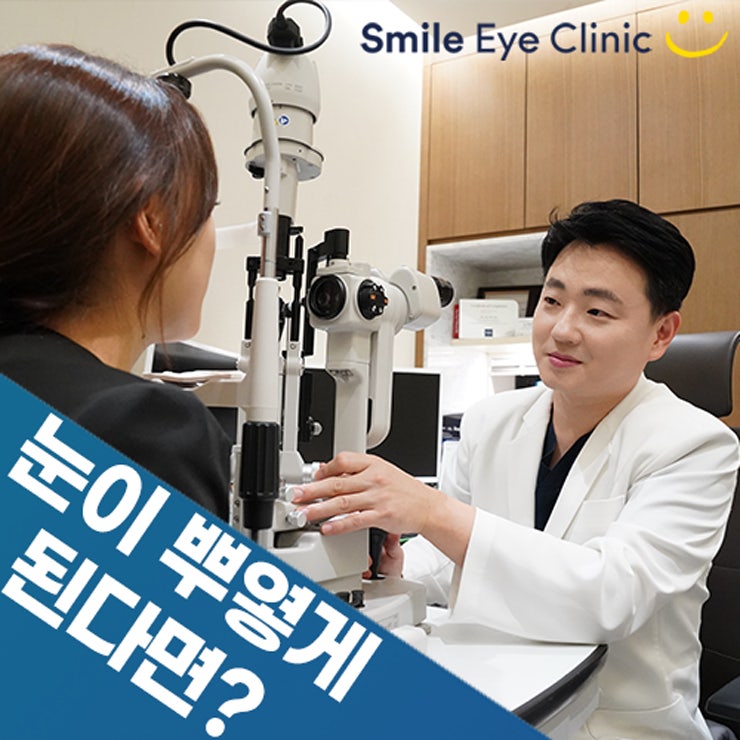
Hello everyone.
This is Smile Eye Clinic, striving today for clearer and sharper vision.
A heatwave warning has been issued, and it's been hot since morning, hasn't it?
Moreover, with masks playing a role, the heat feels even more intense than last year.
Recently, my mother, who wears reading glasses due to presbyopia,
told me that her vision was clear even without wearing them.
For a moment, I wondered if her presbyopia had improved,
but she then mentioned that lately, she's been having difficulty distinguishing colors
and that her vision has been persistently blurry.
These symptoms seemed typical of cataracts,
so she went to an ophthalmologist for a detailed examination,
and sure enough, it was cataracts.

If blurry vision persists, is it always cataracts?
To receive an accurate diagnosis,
the top priority is to visit an ophthalmologist for a detailed examination.
Presbyopia, where the elasticity of the lens muscles decreases,
leading to reduced near vision,
and cataracts, where the lens becomes cloudy and discolored,
potentially leading to blindness.
These two conditions are similar yet different,
making it difficult to self-diagnose or
make a judgment without an examination.
Throughout our lives, we can see and feel the four seasons.
Our eyes are the organs that help us see such scenery.
If something goes wrong with our eyes and we can't see beautiful landscapes
or our beloved family and friends,
the sense of loss is said to be immeasurable.
We, who are living today,
are exposed to various eye diseases.
It's difficult to determine ‘what disease it is’ based solely on blurry vision.

However, people generally tend to dismiss it as nothing serious.
They might think, ‘I'm just tired,’
‘It's temporary because I wore lenses for too long,’
‘It's just presbyopia,’
and so on, brushing it off with various excuses.
According to the Health Insurance Review and Assessment Service,
the number of cataract surgeries has increased by an annual average of
6.4% over the past four years,
and the incidence rate is continuously rising due to the rapid aging of the population.
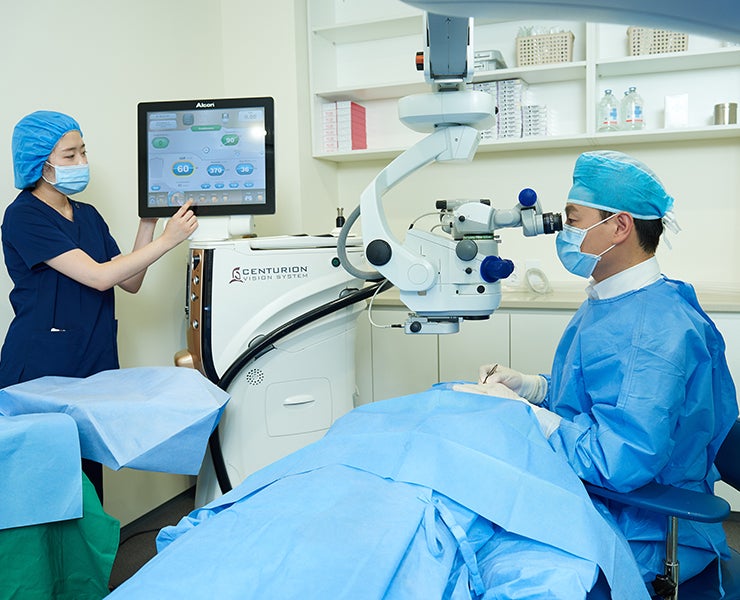
The lens inside our eye is made of protein,
and over time, or due to frequent exposure to ultraviolet rays, etc.,
it gradually becomes cloudy due to various causes.
In the early stages, vision loss occurs to an extent that one may not even notice it,
and as the symptoms worsen, as mentioned earlier,
colors may appear distorted,
or blurry vision, as if looking through a fog, may appear.
Leaving it untreated can lead to other eye diseases as complications
or make surgery more difficult,
so early detection through examination is best, wouldn't you agree?

While some people experience presbyopia and cataracts separately,
others experience both presbyopia and cataracts.
In such cases, there are multifocal intraocular lenses that can address both.
In the past, monofocal intraocular lenses could only correct vision at one distance,
which was a drawback, but with the advancement of modern medical technology,
we now live in a world where all distances can be corrected, eliminating the need to rely on reading glasses.
There are various types of multifocal intraocular lenses, so it's not about choosing the 'best' one unconditionally.
It's best to proceed with an intraocular lens that suits the individual's eye condition, lifestyle, occupation, and other factors,
after a thorough assessment.
Therefore, it's best to receive treatment from medical staff with abundant medical expertise, wouldn't you agree?
Mid-40s is still a prime age.
Since the middle-aged and elderly of the past are different from those of today,
we hope you can comfortably enjoy your daily life
through regular eye check-ups.

From 1:1 customized detailed examinations to consultations and surgery,
we hope that you visit an ophthalmologist who provides sincere treatment tailored to the patient's needs
and that your blurry vision symptoms improve.

Frequently Asked Questions
If I have blurry vision, does it always mean I have cataracts?
No, it's difficult to definitively say it's always cataracts. Blurry vision can also occur with presbyopia or other eye conditions, so the most important thing for an accurate diagnosis is to visit an ophthalmologist for a detailed examination.
How are presbyopia and cataracts different?
Presbyopia is the reduction of near vision due to decreased elasticity of the lens muscles, while cataracts are a condition where the lens becomes cloudy and discolored, potentially leading to blindness. Since the symptoms are similar, it's difficult to self-diagnose, so an eye exam is necessary for accurate differentiation.
What problems can arise if cataracts are left untreated?
If cataracts are left untreated, vision loss can worsen, distinguishing colors can become difficult, and vision may appear blurry as if looking through a fog. Furthermore, it can lead to other eye diseases as complications or make surgery more difficult, so early detection and treatment are important.
Is there a way to address both presbyopia and cataracts simultaneously?
Yes, if both presbyopia and cataracts are present, multifocal intraocular lenses can solve both problems together. In the past, monofocal intraocular lenses could only correct vision at one distance, but with the advancement of modern medical technology, all distances can be corrected, reducing reliance on reading glasses.
What criteria should be used to choose a multifocal intraocular lens?
There are various types of multifocal intraocular lenses, so rather than simply choosing the 'best' one, it's advisable to proceed with an intraocular lens that suits the individual's eye condition, lifestyle, occupation, and other factors, after a comprehensive assessment. It's important to consult with experienced medical staff to make a decision.