2026-05-18
Eye Shape Correction Over-correction: How to Release and Lower (Recession Surgery)
When eye shape correction becomes over-corrected, the eyes may appear overly open and struggle to close. Accurate diagnosis of ptosis versus pseudo-ptosis is essential. Within 2-3 weeks post-surgery, early correction can still help; but missing this golden period requires recession surgery to lower the eyelids back down. Post-operative appearance changes until settling, requiring patience and strict adherence to your surgeon's guidance.
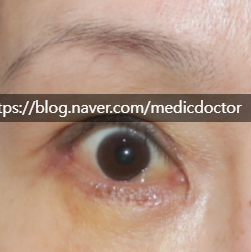
Eye Shape Correction Over-correction Release, Eye Shape Correction Lowering
This is a post about.
If eye shape correction becomes over-corrected
It can result in this surprised-looking eye appearance.
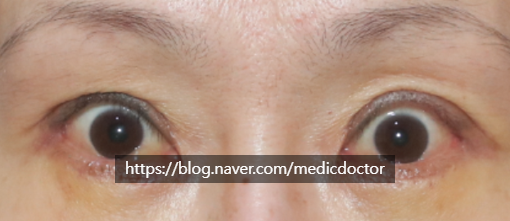
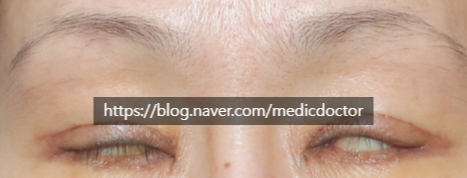
The eyes may not close, and even slight opening exposes the entire iris.
First and foremost, misdiagnosis must be avoided.
Eye shape correction should only be performed on patients with true ptosis; if performed on those with pseudo-ptosis, over-correction like this can occur.
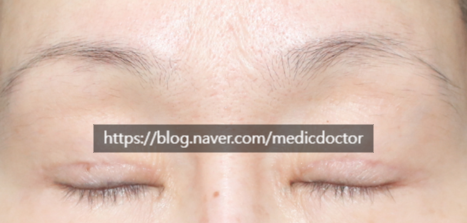
When performed shortly after surgery, releasing the correction like this will lower it quickly. This type of surgery should be released within 2-3 weeks post-surgery.
However, the problem is when the golden period has passed. If more than one month has elapsed and the window for early correction is missed, recession surgery becomes necessary.
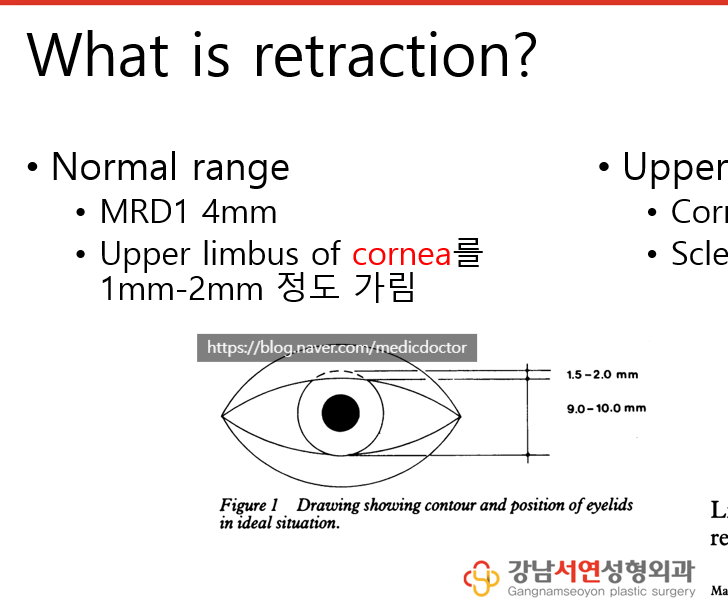
Recession refers to when the iris should be covered by the eyelid by 1-2mm in normal eyes, but the eyelid fails to cover the pupil by 1-2mm, leaving it fully exposed like in the photo above, creating a surprised-eye appearance.
Recession surgery is the procedure to lower this condition.
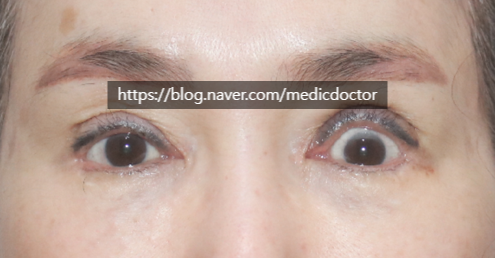
This excessively open state can be considered a recessed state.
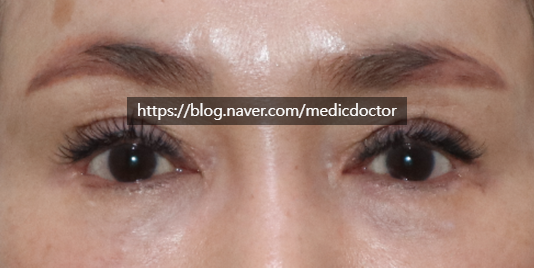
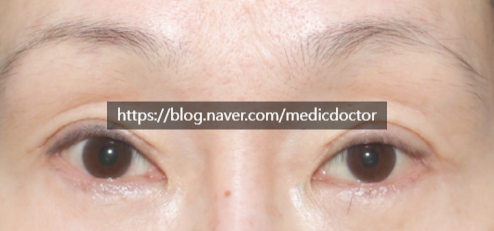
When the iris is covered from above like this, it indicates an improved appearance.
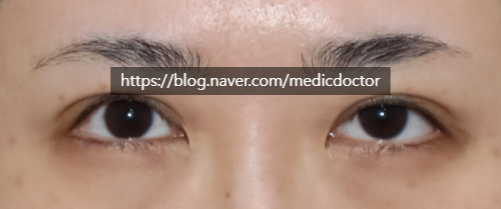
In this patient's case, the left eye in the photo appears excessively open.
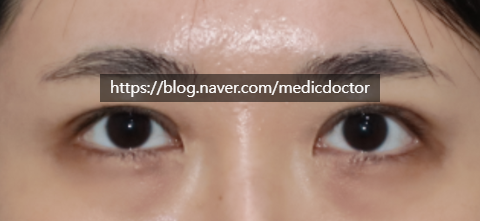
This is the post-operative appearance.
Please refer to the video below as well
https://youtu.be/d-PXjeekTq0
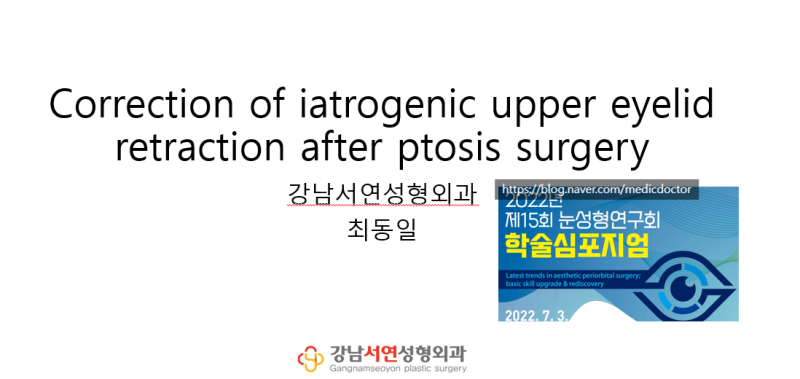
This content is excerpted from a presentation at the 2022 Ophthalmic Plastic Surgery Research Society Academic Symposium.

This surgery has a higher rate of early correction compared to other procedures.
The appearance continues to change until it fully settles.
While the eye position can be corrected surgically, since humans are not machines, the eye position may continue to change after surgery.
If you follow my instructions, I will align both eyes to a reasonable degree.
However, you must accept a certain degree of minor asymmetry.
If I tell you to wait, you must wait; if I recommend early correction, you must proceed with it.
Gangnam Seoyeon Plastic Surgery is committed to doing its best to serve you.
Frequently Asked Questions
What is eye shape correction over-correction?
It refers to a state where the eyes are excessively open after eye shape correction surgery. Normally, the eyelid should cover the iris by 1-2mm, but when over-corrected, the entire iris becomes visible in a surprised-eye appearance, and the eye may not close properly.
Until when can eye shape correction over-correction be released?
The golden period for early correction is within 2-3 weeks after surgery. During this time, if released, it will lower relatively quickly, but if more than one month passes, the window for early correction may be missed, and recession surgery may become necessary.
What type of surgery is recession surgery?
It is a surgery to lower excessively open eyelids. It is performed when the golden period for early correction has been missed, with the goal of restoring the eyelid to its normal position covering the iris by 1-2mm.
What is the main cause of over-correction?
The main cause is misdiagnosis. Eye shape correction should only be performed on those with true ptosis; if performed on those with pseudo-ptosis, it can result in over-correction and a surprised-eye appearance.
Does the shape of both eyes continue to change after surgery?
Yes, the appearance can continue to change until it fully settles. Since humans are not machines, you must accept minor bilateral asymmetry, and cooperation following the surgeon's instructions—whether to wait or proceed with early correction—is important.