2026-05-25
👃🏻💊 Rhinoplasty and Acne Medication: When Should You Stop Taking It? | Vibe Plastic Surgery in Nonhyeon
Learn when to stop acne medication like Isotretinoin before rhinoplasty and how to manage oily, acne-prone skin for a safe recovery at Vibe Plastic Surgery.
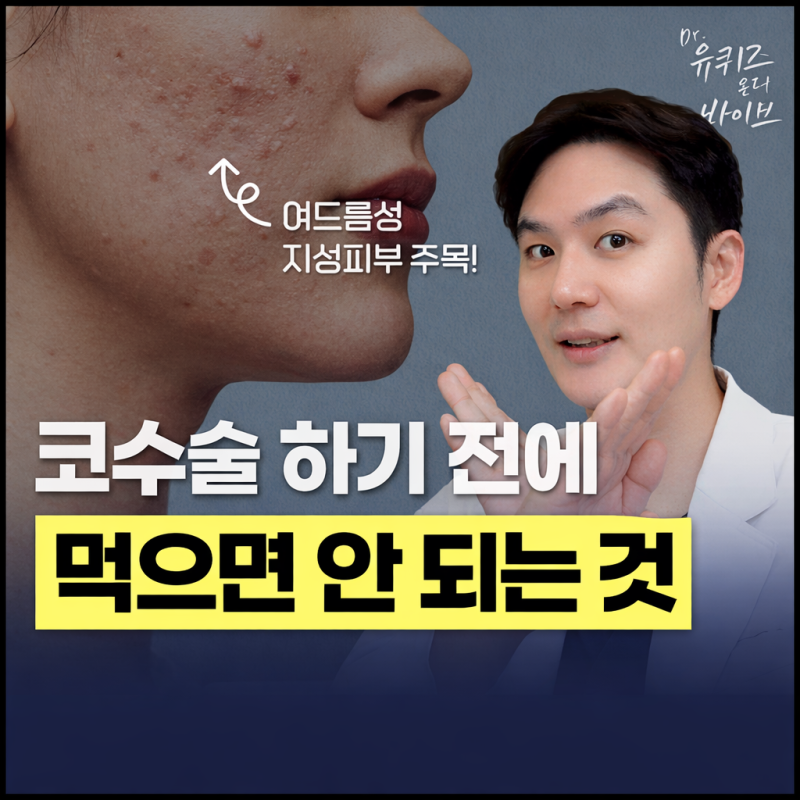
Hello, this is Vibe Plastic Surgery in Nonhyeon :)
Recently, with students on break and many people considering rhinoplasty as a New Year’s resolution, we have been receiving many inquiries about nose surgery here at Vibe Plastic Surgery 👃🏻✨
During consultations at Vibe Plastic Surgery, one of the most frequent questions we get—besides the surgical method itself—is:
‘How long can I continue taking my current medication?’
It is crucial to know and prepare in advance because the foods you eat daily, 💊 medications you are taking, or health supplements can all affect your recovery before and after surgery :)
How long should I stop acne medication before surgery?
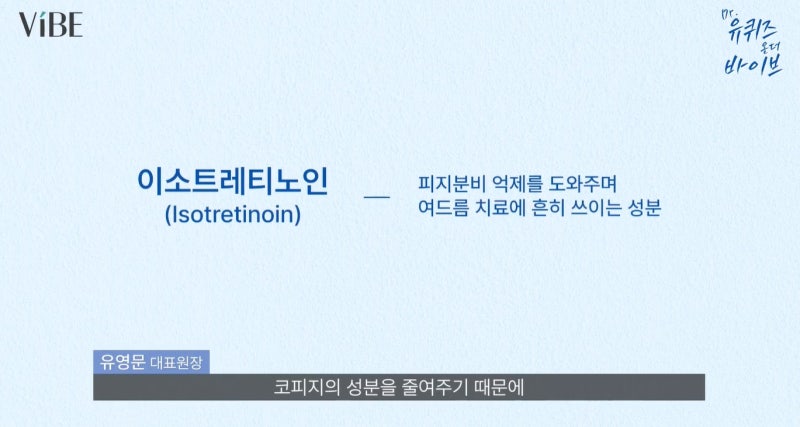
💊 Isotretinoin
A common ingredient used in acne treatment that helps suppress sebum secretion.
Many patients visiting Vibe Plastic Surgery ask how long they should continue taking Isotretinoin (commonly known as Isotinon).
If you take medication for acne, you have likely heard of this drug. Generally, you should stop taking it 2 to 3 days before surgery, or up to a week before in some cases. You should specifically be cautious with Isotretinoin, as it suppresses sebum production :)
Because it reduces the oil components in the nose, it can cause symptoms like a very dry mouth or a dry nose 👃🏻💨
At Vibe Plastic Surgery, we recommend 💊 resuming acne medication about one week after the surgery :)
What if acne develops on the surgical site after stopping the medication?
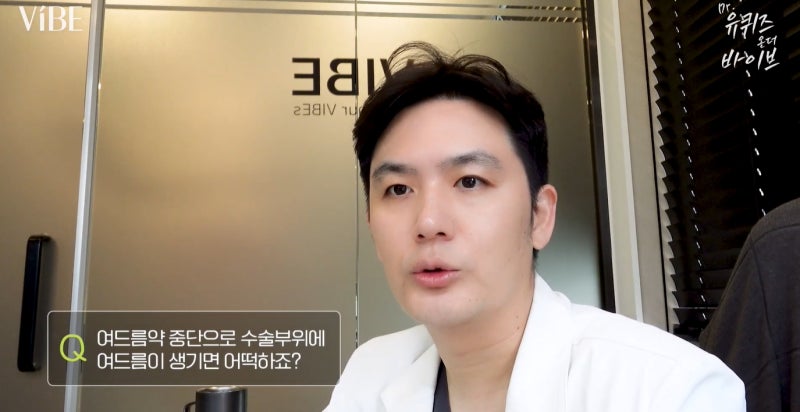
This is another common concern when patients visit Vibe in Nonhyeon. Many worry that if acne flares up after stopping the medication, it might lead to inflammation before or after surgery 🥲
However, even if acne appears on the skin at the tip of the nose due to stopping the medication, in most cases, it does not significantly impact the surgery, so you do not need to worry too much :)
If necessary, the clinic can manage the inflammation using acne injections, though it might sting a little 💦
However, if the acne continues to grow or 🩸 the inflammation becomes severe, do not leave it untreated. We recommend 🩺 consulting thoroughly with the director to check the condition.
Checklist for Oily, Acne-Prone Skin Before Surgery

Having oily, acne-prone skin itself does not cause major problems for the surgery. However, there are things you may need to pay more attention to during the post-operative care process 🙆🏻♀️
In particular, for the first week after the splint is removed, please focus on 👃🏻✨ sebum management and keep the area around the nose clean :)
If you have relatively large acne near the nose, we recommend having it treated before coming in for surgery. This helps the surgeon 🩺🧑🏻⚕️ judge the nose shape more accurately during the procedure.
Don’t worry too much about oily, acne-prone skin!

Having oily, acne-prone skin does not make nose surgery difficult or impossible.
However, since the direction of pre- and post-operative care may vary slightly depending on your skin condition, personalized guidance and management are important.
If you are worried about your current skin condition before rhinoplasty, please visit Vibe Plastic Surgery in Nonhyeon to consult thoroughly with our medical staff and receive guidance on the best surgical timing and management methods for you 💜
※ Please refer to the video below for a detailed explanation!