2026-05-24
Hiko Thread Removal and No-Implant Rhinoplasty Case Study!
A case study of a patient in her 20s who underwent Hiko thread removal and no-implant rhinoplasty to correct a drooping tip and humped nose for a natural, refined look.
Hello.
I am Dr. Young-moon Yoo, Director of VIBE Plastic Surgery.
Today, I would like to introduce a no-implant rhinoplasty case for a female patient in her 20s.
The patient had previously undergone a Hiko (thread lift) procedure. Over time, she experienced discomfort as the tip of her nose began to droop and the threads became palpable, leading her to visit our clinic.
Furthermore, she desired a more sophisticated and natural nose, as her nasal line was uneven, featuring a hump and issues with the nasolabial angle.
Common Problems After Hiko Procedures
Hiko is known as a relatively simple procedure that can supposedly raise the bridge and tip of the nose.
However, as time passes, many patients report the following issues:
- Threads being felt or visible under the skin
- The nose tip drooping again, resulting in a ‘stuffy’ appearance
- Structural issues like a hump or overall nasal shape remaining unaddressed
This patient also sought fundamental correction through Hiko thread removal due to these very problems.
Surgical Plan and Method
1. Hiko Thread Removal
We resolved the foreign body sensation by removing the previously inserted Hiko threads.
Indiscriminate thread insertion can cause skin damage and deformation; therefore, surgery using one’s own cartilage after removal is the safest approach.
2. Hump Correction
We smoothed out the protruding hump visible from the side profile to create a sleek and refined line.
Correcting a humped nose significantly softens the impression and makes a dramatic difference in the side profile.
3. No-Implant Rhinoplasty
Instead of artificial implants, we used septal cartilage and ear cartilage to support the nose tip and correct its shape.
- Created a stable structure to prevent the tip from drooping
- Ideally corrected the angle between the nose and the philtrum (nasolabial angle)
- Achieved a natural ‘straight-semi-curved’ (Jik-ban) line
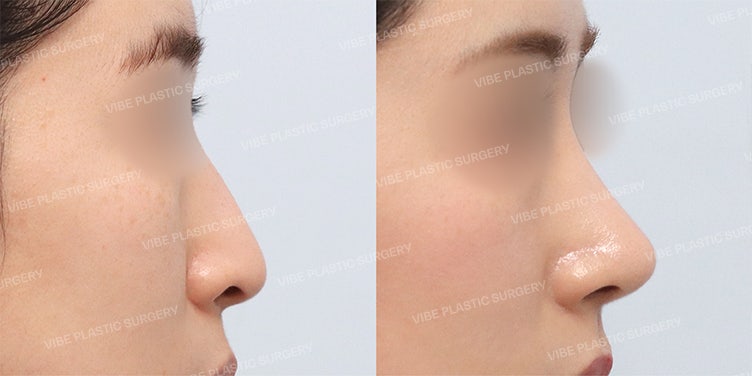
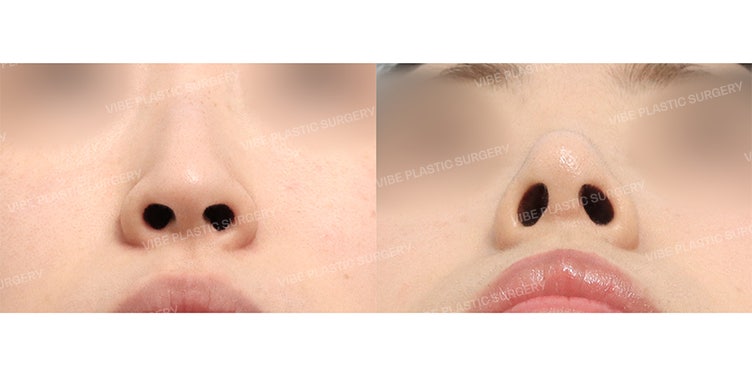
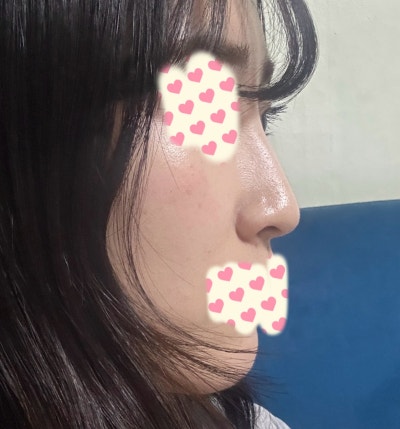
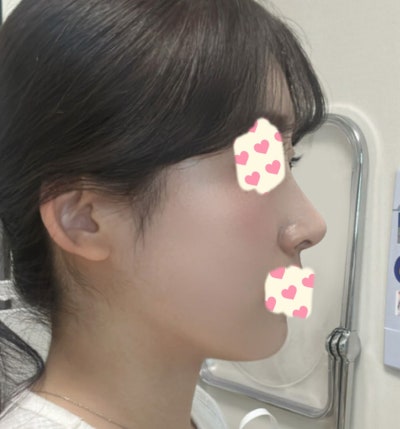
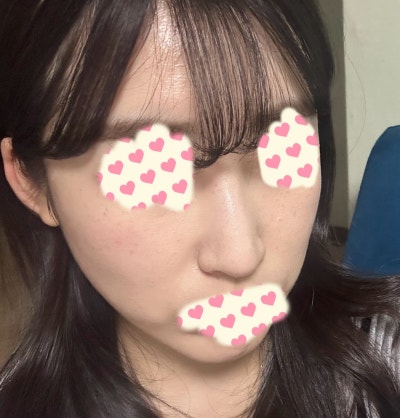
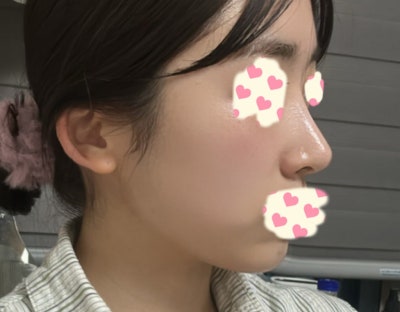
Before and After Comparison
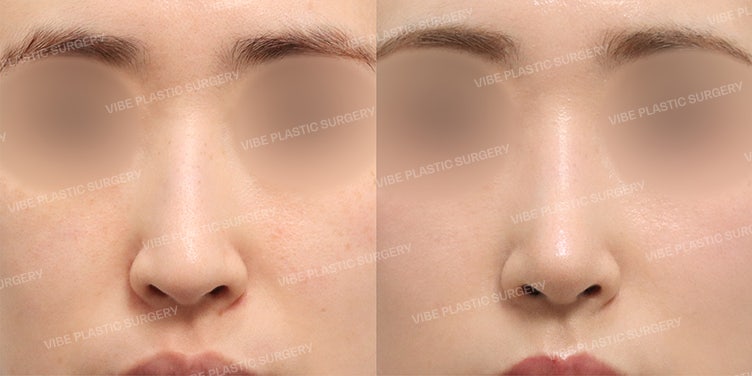
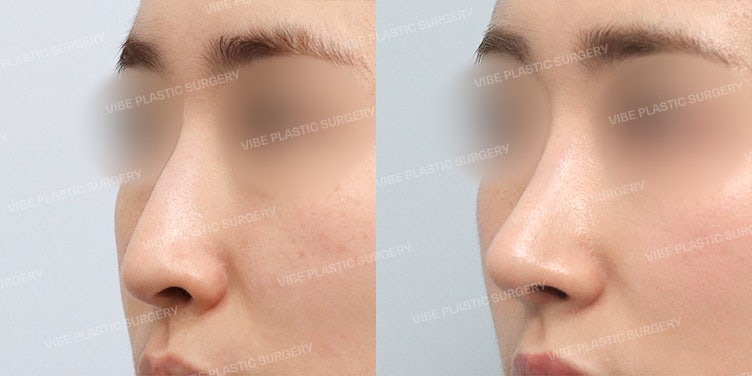
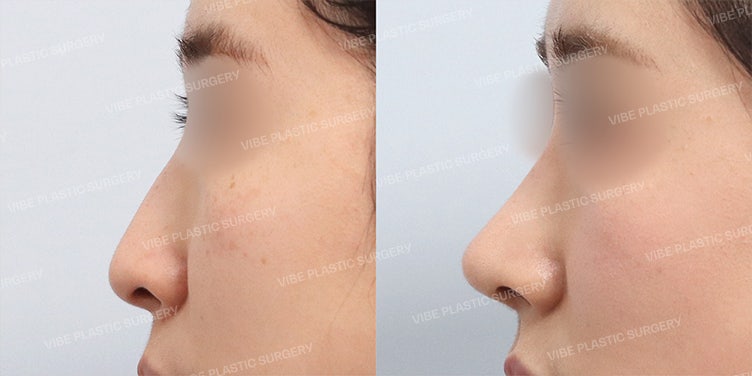
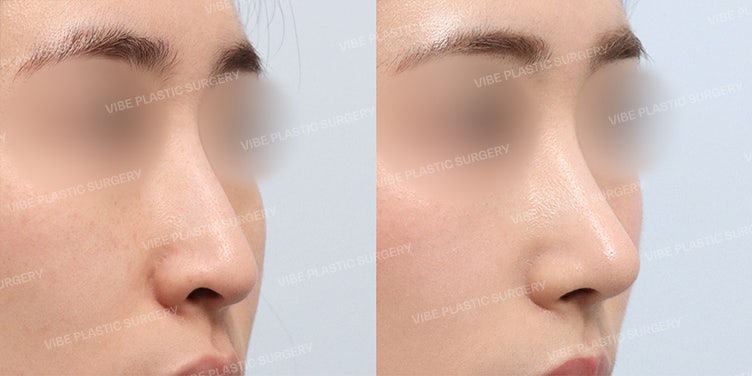
Before: The nose tip was drooping due to Hiko threads, with a palpable foreign body sensation. The hump and a restricted nasolabial angle gave a less refined impression.
After: A smooth, straight line was achieved through simultaneous thread removal, hump correction, and tip correction. The natural nose tip and appropriate nasolabial angle transformed her look into a much softer and more sophisticated impression.
Above all, the patient expressed great satisfaction, saying, ‘It is amazing that I could become naturally beautiful even without implants.’
Why Choose No-Implant Rhinoplasty?
No-implant rhinoplasty is a surgical method increasingly chosen by younger generations recently.
- No foreign body sensation – Since no artificial implants are used, there is no ‘hard’ feeling.
- Natural results – Correction is tailored to facial harmony using one’s own cartilage.
- Safety – Lower risk of long-term side effects.
- Customized design – Can simultaneously address individual concerns such as humps, deviated noses, or drooping tips.
It is an excellent choice for those considering revision surgery due to Hiko side effects or those who have an aversion to artificial implants.
No-Implant Rhinoplasty CHECKLIST!
If any of the following apply to you, no-implant rhinoplasty using septal or ear cartilage may be a great option:
✔️ Side effects after Hiko (threads felt or tip drooping)
✔️ Burdened by the idea of implants or dislike the sensation of foreign objects
✔️ Desire a natural and stable nose tip that lasts over time
✔️ Need structural correction for a hump, deviated nose, drooping tip, or nasolabial angle issues
✔️ Want a nose line that harmonizes naturally with the face
VIBE Plastic Surgery’s Philosophy on Rhinoplasty
At VIBE Plastic Surgery, we do not perform nose surgery simply to increase height; we prioritize the balance and harmony of the patient’s face.
✔️ Utilizing autologous tissue as much as possible without relying on implants
✔️ Completing a refined side profile through detailed correction of the hump, tip, and nasolabial angle
✔️ Natural and comfortable transformations
Closing Thoughts
For those struggling with discomfort or an unnatural nose line after a Hiko procedure like this case, correcting the fundamental structure through no-implant rhinoplasty—rather than just removing the threads—yields far better results.
VIBE Plastic Surgery provides customized solutions for each patient to create a natural and long-lasting nose line.
Consultation and surgery should be performed by a board-certified plastic surgeon!
VIBE comes from rich experience.
Young-moon Yoo, Chief Director of VIBE Plastic Surgery
VIBE Plastic Surgery complies with medical laws. These before-and-after photos were taken under the same conditions with the patient’s consent. Complications and side effects such as bleeding, inflammation, infection, and asymmetry may occur after surgery and vary by individual; caution is required.