2026-05-18
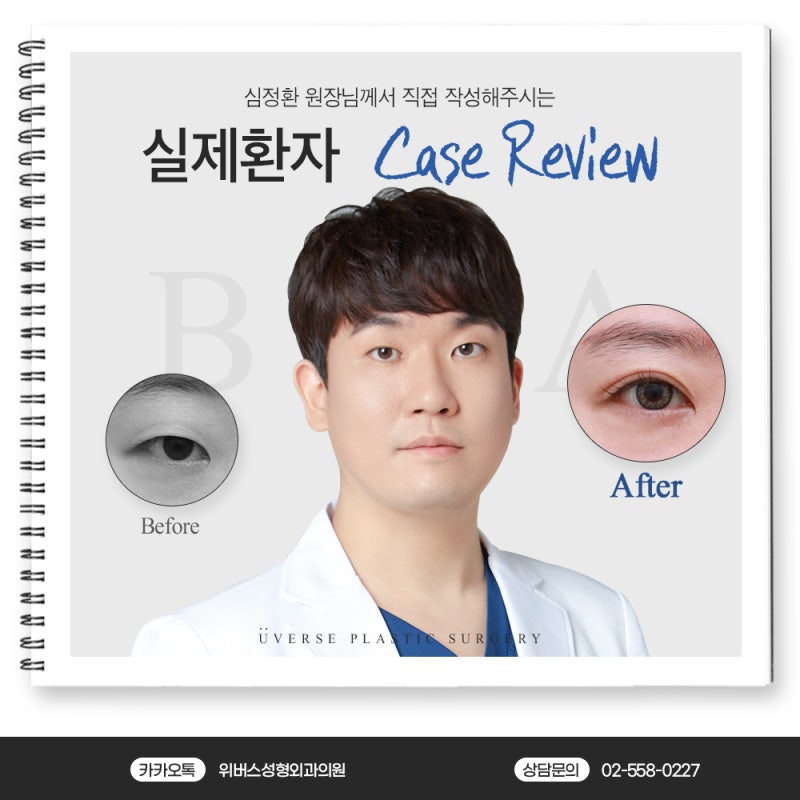
Incision Double Eyelid + Eye Shape Correction + Canthoplasty + Upper Eyelid Fat Removal: Real Case Review
This patient presented with thick upper eyelids, prominent epicanthal folds, and skin laxity, creating a tired eye appearance. A comprehensive incision-based double eyelid surgery was performed, including eye shape correction, anterior canthoplasty, and fat removal, as non-incision methods had limitations. At two weeks post-op, the eyelid crease stabilized; by three months, swelling subsided and a clear, natural semi-outline eyelid contour was fully formed.
#DoubleEyelidSurgery #IncisionDoubleEyelid #EyeShapeCorrection #AnterirorCanthoplasty #EyeSurgery #ThickUpperEyelid #EyelidFatRemoval #EpicanthalFoldImprovement #TiredEyeImprovement #EyeContourImprovement #SemiOutlineEyelid
#OutlineDoubleEyelid #ClearEyeContour #NaturalEyeContour #EyelidLineCorrection #EyeSurgeryReview #CustomizedEyeSurgery #CaseAnalysis #EyeSurgeryRecommendation
Hello there~
💎Your beauty universe! Dr. Shim Jung-hwan, Weverus Plastic Surgery 😊💎
Today, I'd like to review an incision double eyelid case.
Before Surgery
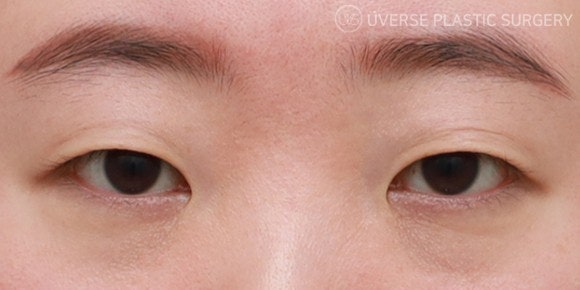
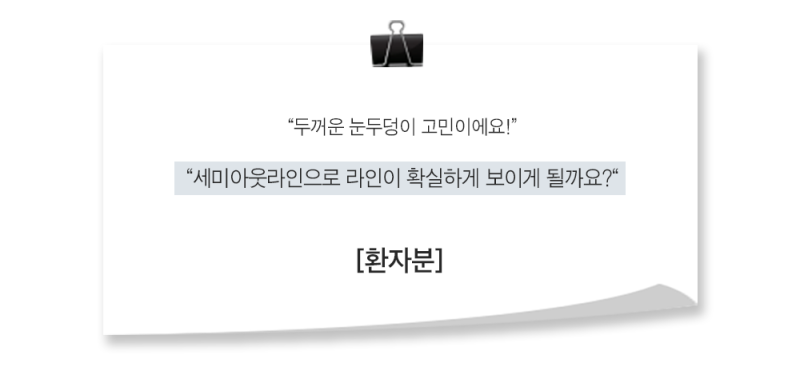
This patient was having her first eye surgery and presented with overall thick upper eyelids and skin laxity.
Notably, the anterior epicanthal fold extended downward in a rounded covering pattern, creating a tired, sleepy eye appearance.
Additionally, she had a habit of using her forehead when opening her eyes, causing her eyebrows to elevate.
The patient desired a semi-outline or outline-style distinct eyelid crease, but her existing eye anatomy made natural formation difficult.
✔️Thick upper eyelids + skin laxity
✔️Strong epicanthal folds making anterior crease formation difficult
✔️Tired eyes + forehead muscle usage habit
✔️Non-incision approach unsuitable for desired crease type
Diagnosis & Surgical Plan
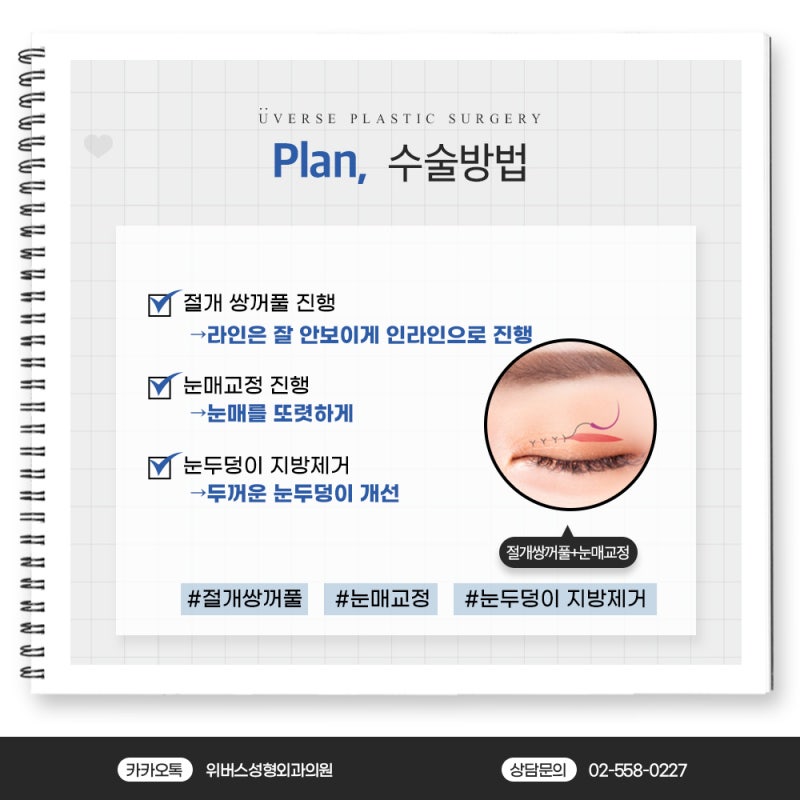
This case presented with skin laxity on the upper eyelids, thick fatty upper eyelids, and prominent epicanthal folds.
With these conditions, non-incision methods had limitations, so comprehensive correction was performed based on incision double eyelid surgery.
Surgery included:
✔️Incision double eyelid surgery → fixed distinct crease without loosening
✔️Eye shape correction → improved tired appearance + achieved distinct eye contour
✔️Anterior canthoplasty → reduced epicanthal folds and secured anterior crease
✔️Fat removal → improved thick upper eyelids
Post-op 2 Weeks
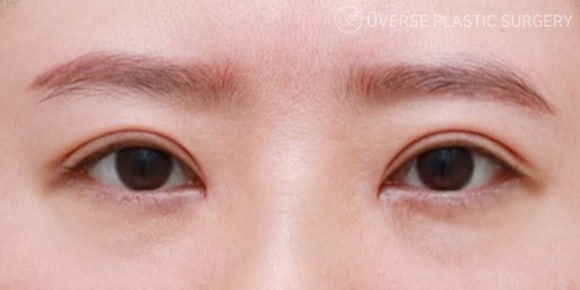
At two weeks post-op, some swelling remains, but the eyelid crease is stabilizing nicely.
The area where the epicanthal fold was released shows improvement from the previous rounded appearance, and a semi-outline crease form is developing naturally from the anterior area. The distinct crease from the incision approach is clearly maintained.
Additionally, fat removal significantly reduced the upper eyelid thickness, and eye shape correction improved the eye-opening force, reducing forehead muscle usage and naturally lowering the eyebrow position.
✔️Rapid crease stabilization despite residual swelling
✔️Refreshed eye appearance from anterior canthoplasty effect
✔️More distinct impression from reduced upper eyelid volume
✔️Improved eye-opening force reducing forehead muscle usage
Post-op 3 Months
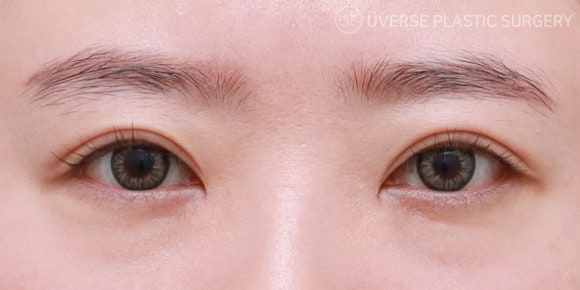
By three months, most swelling has subsided, and the double eyelid crease is more distinct and naturally settled.
The crease maintains stable depth and the overall eye contour is soft and natural. The anterior canthoplasty scar has faded significantly and is barely noticeable.
The improved eye-opening force from the eye shape correction means the patient can comfortably open her eyes without using her forehead muscles.
Semi-outline crease with refreshed eye appearance
Natural anterior canthoplasty scar fading
Sustained functional improvement (eye-opening force)
This case is an excellent example of surgery that goes beyond simply creating an eyelid crease —
👉 It demonstrates how improving the eye structure itself can transform one's overall appearance.
If you desire changes in your eye line, function, and overall impression,
precise surgical design tailored to your individual eye condition is most important.
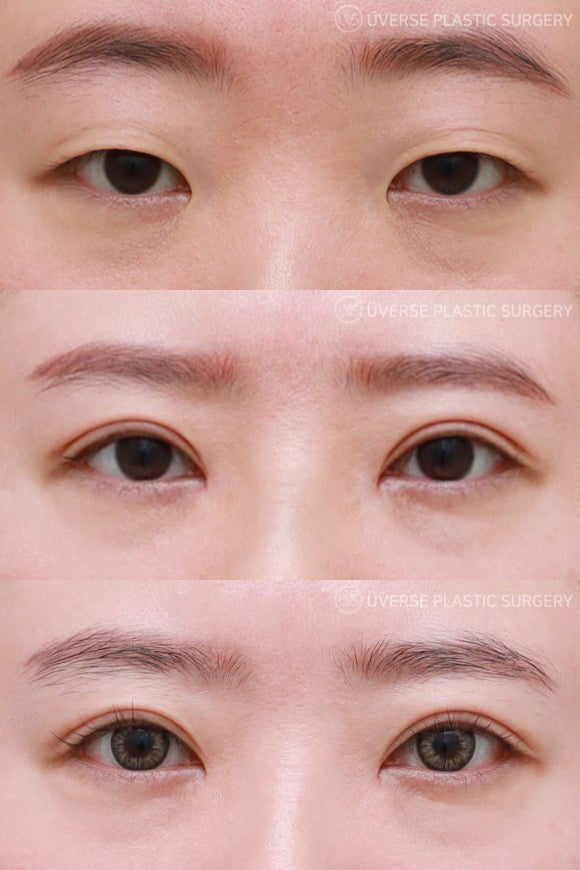
Before / 2 Weeks / 3 Months
✨Want to learn more about Weverus Plastic Surgery? ✨


Frequently Asked Questions
When is incision double eyelid surgery needed instead of non-incision?
When skin laxity of the upper eyelid, thick fatty upper eyelids, and strong epicanthal folds are present together, non-incision methods have limitations. In such cases, incision-based double eyelid surgery with fixed distinct crease and additional correction is appropriate.
Can a distinct crease be created even with thick upper eyelids?
Yes, it's possible. In this case, incision double eyelid surgery combined with upper eyelid fat removal reduced the thickness, resulting in a more distinct crease and a more refreshed eye appearance.
What surgery is needed if the epicanthal fold is strong?
When the epicanthal fold rounds down over the anterior crease, creating a tired impression, anterior canthoplasty is necessary. In this case, anterior canthoplasty reduced the epicanthal fold, secured the anterior crease, and created a refreshed semi-outline eye contour.
Can the forehead muscle usage habit be improved?
Yes, eye shape correction can improve this. This patient had weak eye-opening force and used her forehead to open her eyes, but after eye shape correction, forehead muscle usage decreased and the eyebrow position naturally lowered, showing functional improvement.
How does recovery progress post-surgery?
At two weeks post-op, some swelling remains but the crease begins stabilizing. By three months, most swelling has subsided, the crease is distinct and naturally settled, and the anterior canthoplasty scar has faded to barely noticeable.
Does anterior canthoplasty scarring remain significant?
Based on this case, by three months post-op, the scar has faded significantly to barely noticeable levels. However, healing speed and scar appearance can vary depending on individual skin condition.