2026-05-21
Functional Rhinoplasty with Autologous Rib Cartilage & Bulbous Tip Correction — Dr. Yu Young-moon, VIBE Plastic Surgery, Sinnonhyeon Station
A real case of functional rhinoplasty using autologous rib cartilage to simultaneously correct a deviated septum, bulbous tip, and collapsed nasolabial angle.
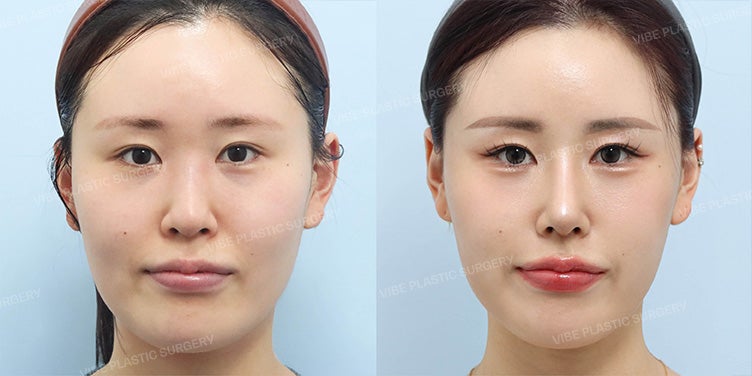
Are you experiencing discomfort in daily life due to nasal congestion or rhinitis?
Among those who have difficulty breathing due to structural issues inside the nose, many are also dissatisfied with the shape of their nose — whether a dorsal hump, a deviated nose, or a bulbous tip.
Today, through a case in which functional rhinoplasty (septoplasty and inferior turbinoplasty) was performed alongside autologous rib cartilage to simultaneously correct a bulbous tip and a collapsed nasolabial angle, we will explore in detail why autologous rib cartilage is especially effective in functional rhinoplasty.
1. Nasal Obstruction & a Bulbous Tip — When the Two Come Together
Functional concern: Chronic nasal obstruction caused by a severely deviated nasal septum — the internal 'pillar' of the nose — combined with hypertrophy of the inferior turbinate mucosa.
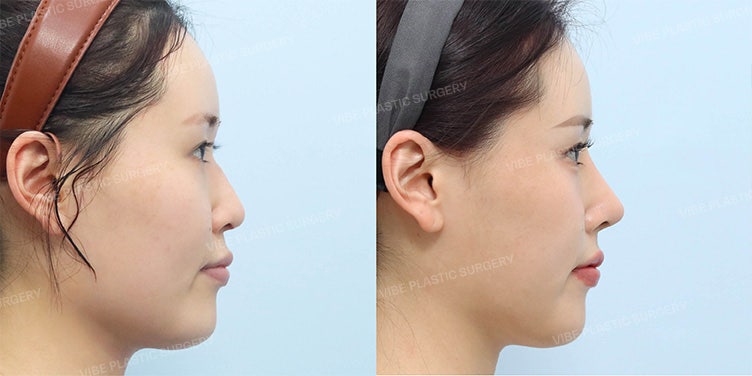
Cosmetic concern: A wide, blunt-looking nasal tip from the front (bulbous tip), and a deeply sunken nasolabial angle — where the nose meets the upper lip — when viewed from the side, making the mouth appear somewhat protruding.
2. Severely Deviated Septum Functional Rhinoplasty: Why 'Autologous Rib Cartilage'?
Rhinoplasty requires cartilage to project and support the nasal tip. While septal cartilage and ear cartilage are commonly used, autologous rib cartilage — harvested from the patient's own ribs — is strongly recommended in functional rhinoplasty cases involving a severely deviated septum, such as this one. Here is why:
Maximum strength and structural support When the nasal septum is severely deviated, straightening it is essential. In this process, the original septal cartilage is often weakened and may lack sufficient strength and volume to adequately support the nasal tip. Rib cartilage is the strongest and most abundant cartilage that can be harvested from the body, making it outstanding for powerfully reconstructing a collapsed nasal foundation.
Optimal material for correcting a collapsed nasolabial angle Projecting the nasal tip forward while volumizing the sunken nasolabial angle — the angle between the nose and lips — requires a 'sturdy framework' capable of firmly pushing the columella upward from its base. Weaker cartilage may allow the tip to descend again over time, but rib cartilage maintains that strength durably.
High biocompatibility as autologous tissue Because it is biological tissue harvested from the patient's own body rather than an artificial implant, the risk of complications such as infection or contracture is comparatively low, making it a safer choice.
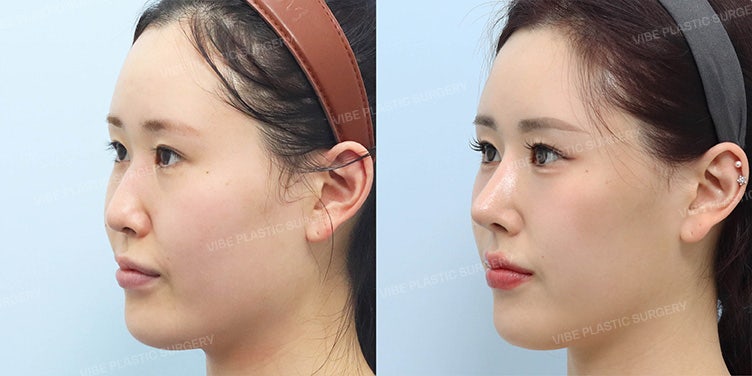
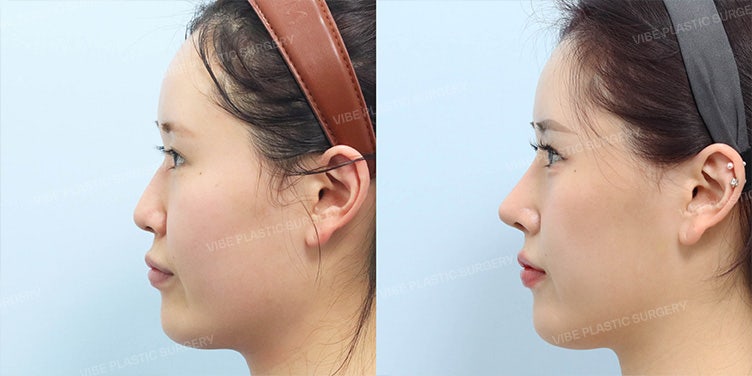
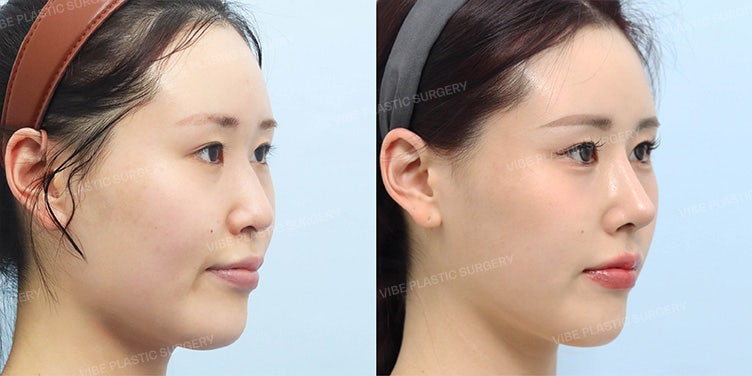
3. Surgical Results: Complete Functional and Aesthetic Improvement
Front view (bulbous tip correction): The previously wide and blunt nasal tip has been refined into a slim, three-dimensional shape thanks to the firm support of rib cartilage, creating a far more polished overall appearance.
Side view (nasolabial angle correction): The previously sunken area beneath the nose (nasolabial angle) has been powerfully projected forward through the rib cartilage, elegantly improving the line that flows into the lips and creating the effect of a less prominent mouth.
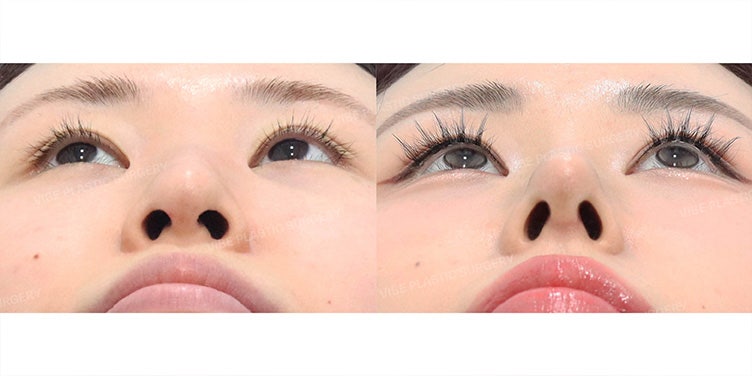
Base view (asymmetry and nostril improvement): The severely deviated septum has been straightened, bringing the nostrils into symmetry, and the nostril shape has been improved from a round, flared form to a longer, sleeker oval. Inferior turbinoplasty was performed concurrently, widening the nasal airway for comfortable, unobstructed breathing.





💡 Summary: Why Is Autologous Rib Cartilage the Right Answer for Severe Functional Rhinoplasty?
Patients like this case — with severe septal deviation and significant nasal obstruction — often want to correct the deviated internal framework while simultaneously resolving cosmetic concerns such as a bulbous tip or a collapsed nasolabial angle in a single procedure. Autologous rib cartilage plays an irreplaceable role that no other material can match.
Overcoming the limitations of insufficient material: Even after the severely deviated septum is straightened during surgery, it is often far too weak and sparse to project and firmly maintain a raised nasal tip. Rib cartilage provides more than enough volume to overcome these limitations completely.
Enduring firmness that stands the test of time: Rib cartilage offers the most powerful structural support of any cartilage that can be harvested from the body. This robust framework powerfully projects a deeply sunken nasolabial angle and refines a bulbous tip into a slimmer shape, ensuring the nasal tip remains elevated rather than drooping over time.
Function, aesthetics, and safety in one: Being 100% the patient's own tissue rather than an artificial implant, the risk of rejection or infection is comparatively low. Congested nasal mucosa and a deviated septum are corrected to restore comfortable breathing, while a refined nasal contour is achieved without concern about inflammation.
In conclusion, for those who want to achieve both comfortable breathing (function) and a dimensional, beautiful nasal line (aesthetics) in the safest and most durable way, functional rhinoplasty using autologous rib cartilage offers the most satisfying answer.