Concerned About Hollow or Sunken Cheeks? Learn About Juvelook Volume
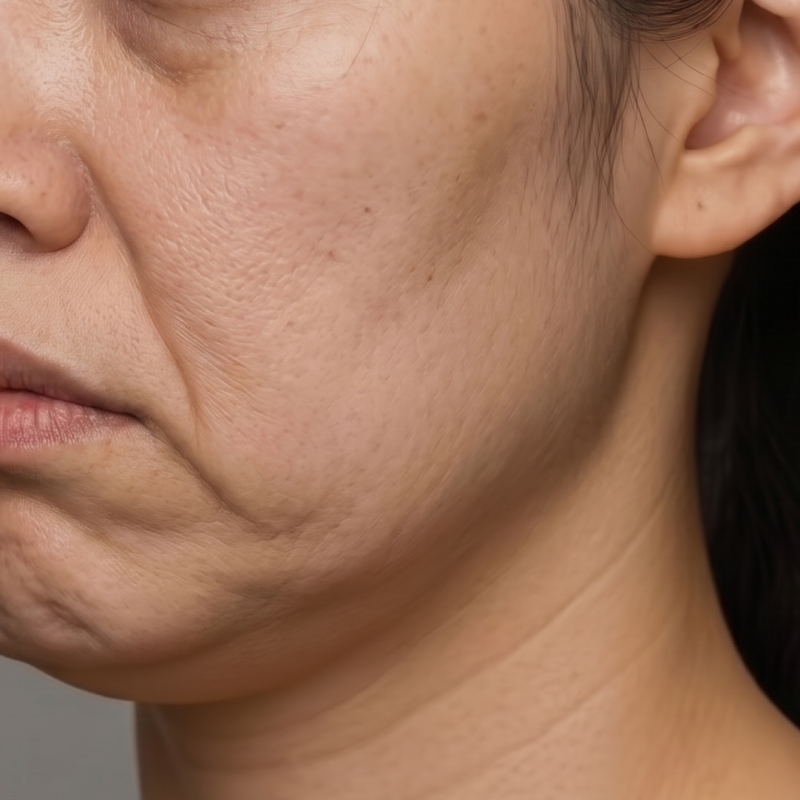
A guide to Juvelook Volume, a collagen-booster treatment using PDLLA and hyaluronic acid that restores hollow cheeks and sunken facial areas through self-collagen stimulation, with procedure details, precautions, and aftercare.
There comes a time when something new catches your eye each time you stand in front of the mirror.
If your cheeks look hollow, your nasolabial folds seem deeper, and people often say you look tired, it may be worth considering what is happening beneath the surface of your skin.
Even without any weight loss, the reason your face looks different is often not simply wrinkles or a loss of elasticity — it is more commonly linked to a gradual reduction in volume within the skin itself.
As collagen and facial fat diminish together with age, hollowing becomes especially noticeable in the cheeks and nasolabial fold area.
For those exploring Juvelook Volume as a solution to these changes, we have compiled informational guidance covering the treatment principle, precautions, and aftercare.
-Table of Contents-
What is Juvelook Volume?
How is it different from a regular filler?
How the treatment works
Who may want to consider it (checklist)
Treatment features and precautions
Possible reactions after treatment and what to watch for
Daily care to maintain results
Frequently asked questions Q&A
1. What is Juvelook Volume?
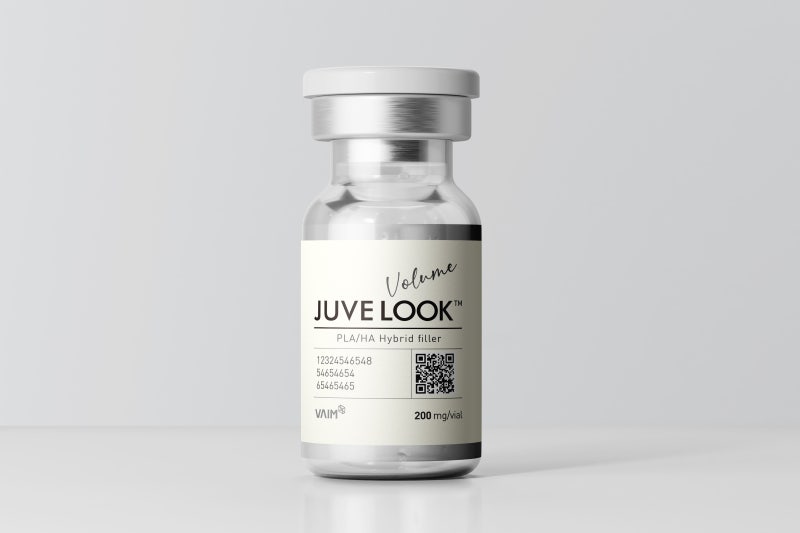
Juvelook Volume is a collagen-booster treatment that involves injecting a compound of high-molecular-weight PDLLA and hyaluronic acid into the skin to stimulate the body's own collagen production.
Rather than filling volume with an external substance, the core concept of this treatment is to help the skin produce collagen on its own.
The product has received approval from the U.S. FDA and the Korean Ministry of Food and Drug Safety. Its components are made from biodegradable materials that break down and are absorbed by the body over time.
2. How is it different from a regular filler?
Hyaluronic acid fillers work by directly injecting an external substance to fill in volume, with results visible immediately after treatment.
Juvelook Volume, on the other hand, works by having the injected components stimulate a collagen-producing response within the skin — volume builds gradually over time through the skin's own natural process.
It is an option worth considering for those who prefer a natural, gradually improving result over an immediate change.
That said, which approach is more suitable depends on your skin condition and the area of concern, so it is important to consult with a medical professional before making a decision.
3. How the treatment works
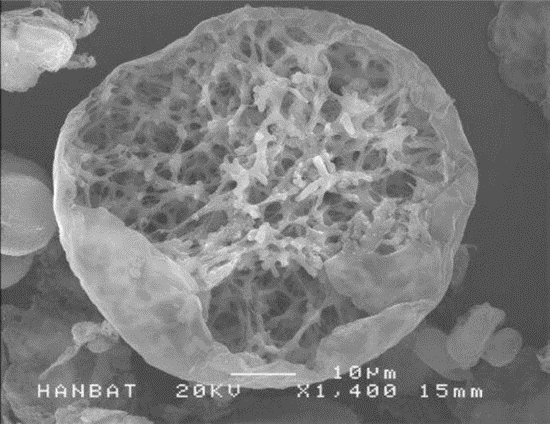
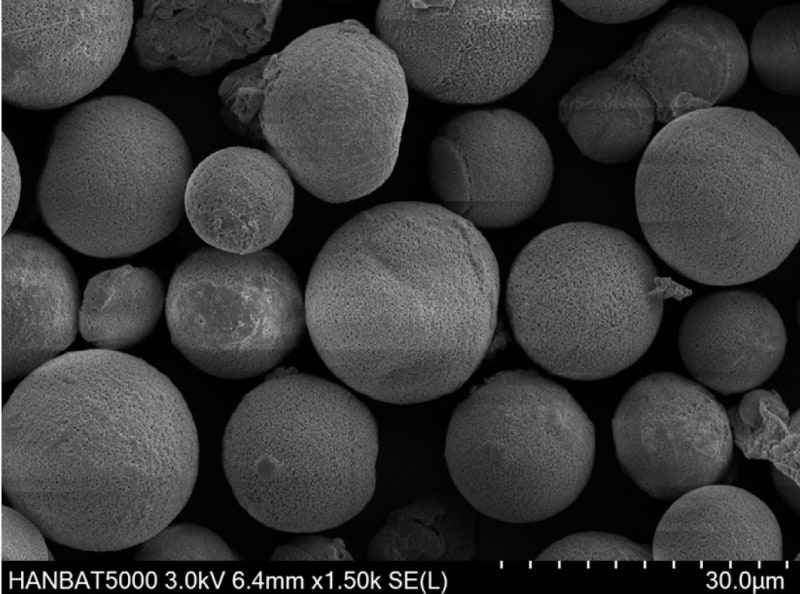
Juvelook Volume works in two phases.
Immediately after treatment, the hyaluronic acid component creates an immediate sense of hydration and a mild volumizing effect at the injection site.
Over the following weeks to months, the PDLLA component stimulates collagen synthesis within the skin tissue, and new tissue gradually fills in the hollowed areas.
This process often begins to show noticeable changes starting one to two months after treatment rather than immediately, and results may vary depending on individual skin condition and collagen-producing capacity.
4. Who may want to consider it (checklist)
Please review the items below to assess your own situation first, and be sure to consult with a medical professional to determine whether this treatment is appropriate for you.
✔ You are bothered by hollow side cheeks that make you look tired or older than your age
✔ You feel a sunken quality in the nasolabial fold area or the lower cheeks
✔ Facial volume has generally decreased due to aging or changes in weight
✔ You want a natural volumizing change without surgery
✔ You prefer self-tissue regeneration over external fillers
✔ You want to return to daily activities quickly after treatment
On the other hand, treatment may be restricted in the following cases.
If you are pregnant or breastfeeding
If there is infection or inflammation at the treatment site
If you have an allergy to hyaluronic acid or lidocaine
If you have an autoimmune condition or are undergoing immunosuppressive therapy
In addition, if hollow side cheeks are caused by sagging rather than volume loss, filling alone may not be sufficient.
When sagging is also present, it may be appropriate to consider a lifting procedure as well. Please consult thoroughly with your medical professional to identify the exact cause.
5. Treatment features and precautions
✔ Self-collagen stimulation approach
Because this treatment helps the skin build its own tissue rather than filling volume from the outside, you can expect a naturally gradual improvement over time. However, as this process varies from person to person, results cannot be guaranteed.
✔ Biodegradable components
The materials used break down and are absorbed by the body over time, which is a notable feature that reduces concerns about long-term residual material.
✔ Applicable areas
The treatment is primarily used in areas requiring volume restoration, such as hollow side cheeks, the nasolabial fold area, and under-eye hollows. Areas such as the temples and forehead are typically treated on a more limited basis following thorough consultation with an experienced practitioner.
Cases requiring caution
The most important side effect to be aware of is nodule formation. Juvelook Volume is prepared by hydrating a powder-form formula with saline solution; if the hydration process is insufficient, or if the product is injected in excess into an unsuitable area, firm lumps may form beneath the skin.
To minimize this risk, it is advisable to verify prior to treatment that the product being used is genuine and that the practitioner has sufficient experience with the procedure.
6. Possible reactions after treatment and what to watch for
The following reactions may occur after treatment.
Swelling, bruising, or redness at the injection site
Temporary tenderness or a stiff, achy feeling
An uneven texture at the skin surface (usually subsides within a few days)
Rarely, nodule formation
If any of these symptoms persist longer than expected or worsen, please contact the clinic where you received the treatment.
Post-treatment precautions
✔ Avoid pressing hard on or massaging the injection site for several days starting from the day of treatment
✔ Until swelling has fully subsided, avoid saunas, jjimjilbang, and intense exercise
✔ It is advisable to refrain from alcohol for at least one week after treatment
Recovery time and results may vary from person to person; please follow your practitioner's post-treatment guidance.
7. Daily care to maintain results
Sun protection habits
UV exposure is one of the key environmental factors that accelerates collagen breakdown in the skin. Applying sunscreen thoroughly before going outdoors and reapplying regularly during extended outdoor activities is recommended.
Moisturizing
Skin dryness may occur after treatment. Using a moisturizing cream and skincare products with hydrating ingredients to maintain the skin barrier can support recovery and help sustain results.
Lifestyle habits
Smoking is known to be one of the factors that inhibits collagen synthesis. A balanced diet and adequate sleep are the basic foundations that support skin regeneration, and foods rich in vitamin C and protein may contribute to collagen synthesis.
Regular check-ins
It is recommended to periodically assess your skin's progress with a specialist after treatment and consult about any additional treatment options if needed.
8. Frequently asked questions Q&A

Q. How long does it take to see results?
A. A slight sense of volume may be felt immediately after treatment, but the full change from collagen production typically begins to appear gradually from one to two months onward.
As this varies with individual skin condition, it is best to confirm with your practitioner through a consultation.
Q. How many sessions are needed?
A. In many cases, three or more sessions spaced one month apart are recommended, with the number of treatments adjusted by the practitioner based on individual skin condition and desired outcome.
Q. How is it different from a regular filler?
A. Hyaluronic acid fillers directly fill volume using an external substance, while Juvelook Volume uses PDLLA to stimulate collagen production within the skin, building volume through the body's own tissue. Which approach is more suitable can be determined by a practitioner who has directly assessed your skin.
Q. Can I return to daily activities right after treatment?
A. Since this is an injection-based procedure, recovery is generally quick, though some swelling or bruising may be present on the day of treatment. If you have an important event coming up, it is advisable to plan the timing of your treatment accordingly.
Hollow or sunken cheeks often result from a combination of age-related changes, and the most appropriate treatment approach will vary depending on the underlying cause.
Juvelook Volume is one such approach, attracting interest for its ability to stimulate the body's own collagen production without surgery.
We recommend gathering sufficient information and having a one-on-one consultation with a medical professional to find the approach best suited to your skin condition and its root cause.