2026-05-18
Implant-Free Rhinoplasty Case: Autogenous Rib Cartilage for Bulbous, Long, and Hump Nose
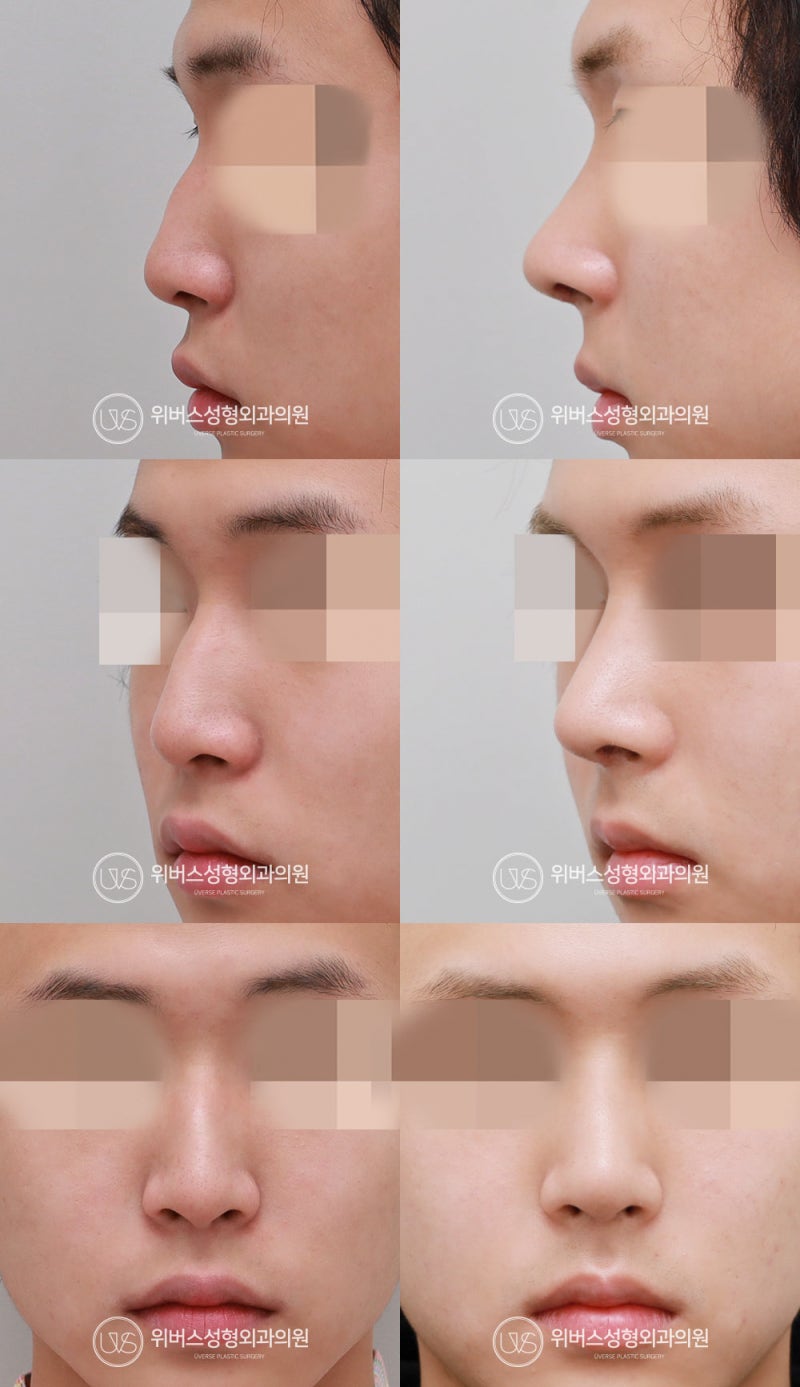
This is a case review of implant-free rhinoplasty for a patient whose nose appeared long and blunt due to a dorsal hump and drooping tip. Without implants, we utilized autogenous rib cartilage and auricular cartilage to establish tip support structure, and conservatively refined the hump while bridging the transition zone with natural tissue. At 2 weeks post-op, the dorsal line appears smooth and refined, the tip droop is improved, the nose appears shorter, and the midface shows enhanced three-d
#ImplantFree #Rhinoplasty #LongNose #BulbousNose #AutogenousRibCartilage #DorsalHump #ShimJungHwan #Uberps #UberpsPlasticSurgery #TipDroop #AutoRib #SeoSeungJo
Hello~
💎Your beauty universe! Uberps Plastic Surgery Director Shim Jung-hwan here :)💎
Today, I'll be reviewing an implant-free rhinoplasty case using autogenous rib cartilage.
Before Surgery
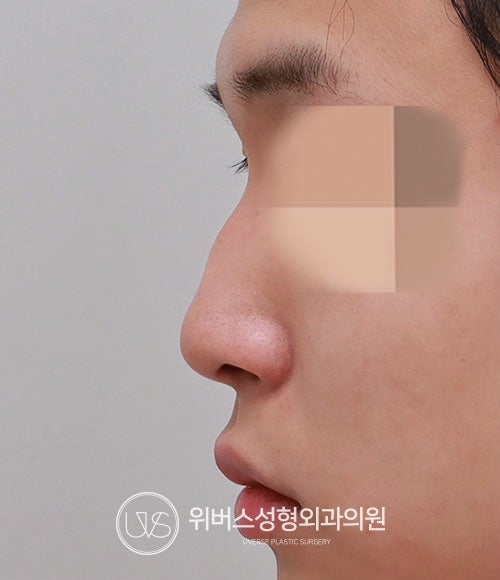
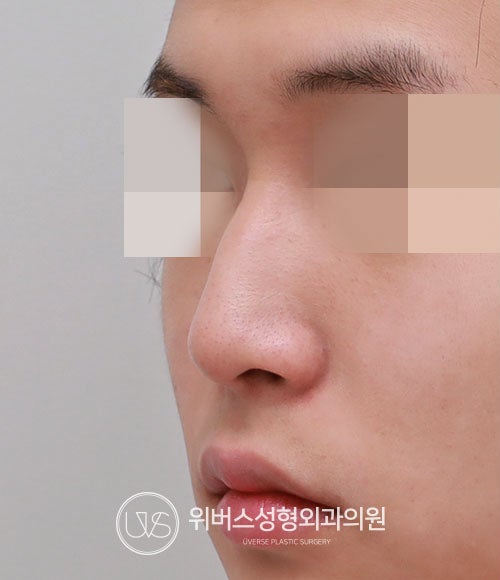
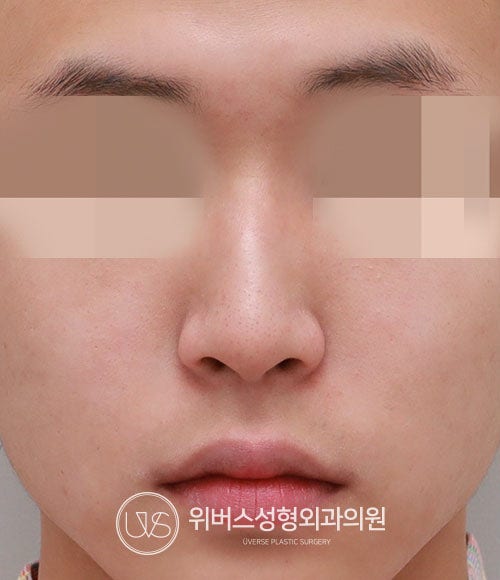
When this patient came in for consultation, their concerns about their nose were quite clear.
While the height of the bridge itself wasn't a major concern,
they wanted to improve the overall impression of their nose appearing long and blunt due to the dorsal hump and drooping tip.
There was a relatively distinct dorsal hump on the bridge,
and the tip was drooping downward, giving a somewhat heavy appearance from both frontal and lateral views.
Additionally, the thick tip skin showed some characteristics of a bulbous nose.
✔️Dorsal hump + drooping tip coexisting
✔️Nose appearing longer than it actually is
✔️Blunt appearance due to bulbous nose characteristics
Diagnosis and Surgical Approach
Typically, when a dorsal hump is present,
using implants to smooth the dorsal line can be effective,
but this patient preferred not to use implants
and was comfortable with the hump remaining to some degree naturally.
Therefore, the surgery was planned with a focus on "natural improvement rather than aggressive correction."
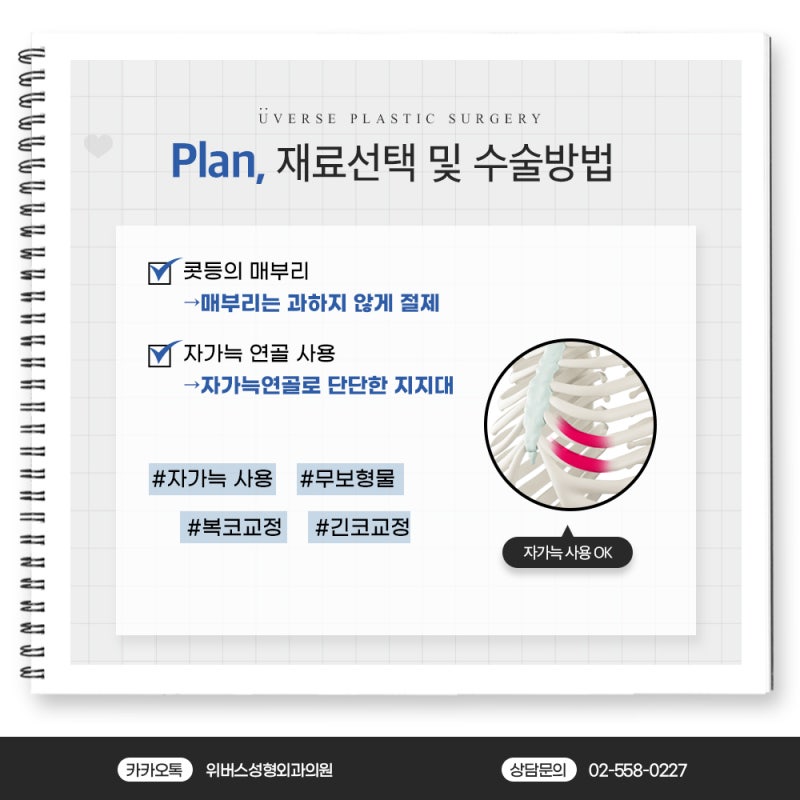
✔️Dorsal area: Conservative hump reduction
✔️Tip: Established support structure using autogenous rib cartilage, with auricular cartilage for contour refinement
✔️Transition zone refinement using autogenous tissue after hump reduction
In this case,
👉 the critical element was refining the transition between the hump area and the tip.
If this area doesn't blend naturally,
the dorsum can appear uneven or show signs of surgery.
2 Weeks Post-Op
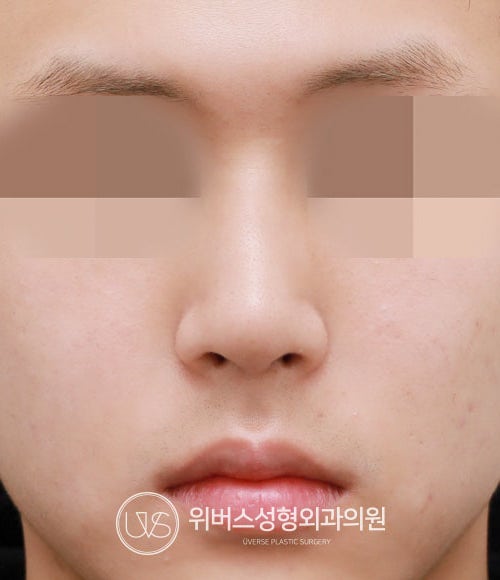
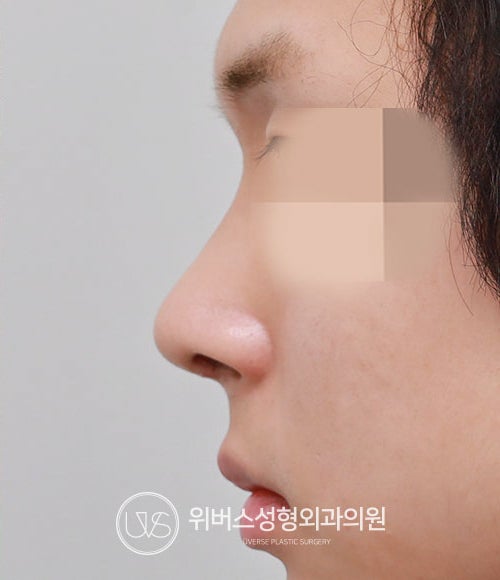
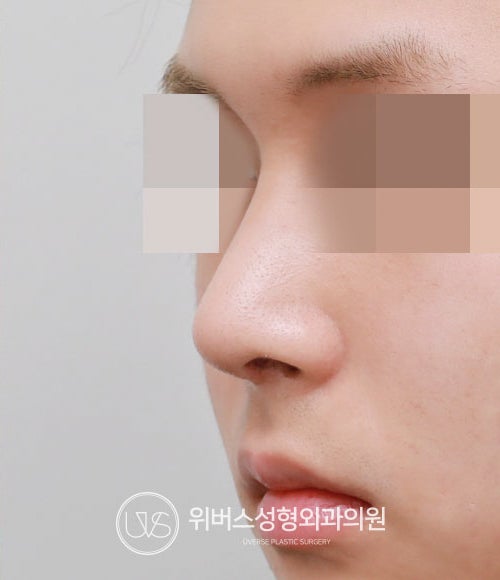
Looking at the 2-week post-op progress,
the dorsal line overall appears smooth and well-refined.
While the patient hoped for slightly more hump definition,
the actual result shows natural blending,
with the hump becoming subtly contoured.
This isn't simply because the hump was over-reduced,
👉 rather, because the transition zone was stably refined while maintaining the overall line.
Pre-operatively, the combined effect of the hump and drooping tip
created an impression of a longer, heavier nose,
and post-operatively, with tip support secured and droop improved,
the refined dorsal line creates the effect of a shorter nose,
with enhanced three-dimensional definition to the midface.
This case demonstrates
that this isn't simply a hump removal procedure,
rather, a comprehensive approach considering patient preferences, current nasal anatomy, and the constraint of avoiding implants,
refined with both restraint and definitive improvement.
Before/2 Weeks Post-Op
👉 Want to learn more about Uberps Plastic Surgery?


Frequently Asked Questions
What is implant-free rhinoplasty?
Implant-free rhinoplasty uses only autogenous tissue to reshape the nose, without synthetic implants. In this case, we established tip support using autogenous rib cartilage, refined contours with auricular cartilage, and bridged the transition zone created by hump reduction with natural tissue.
Does a dorsal hump need to be completely removed?
No, depending on patient preference, the hump can remain in a natural form. This patient preferred a subtle hump rather than complete removal, so we focused on natural refinement with conservative reduction, avoiding over-correction.
How does it look when drooping tip and hump occur together?
The nose appears longer and blunter than it actually is. The hump on the bridge and drooping tip work together to create a heavy appearance from both frontal and lateral views, and if accompanied by bulbous tip characteristics from thick skin, the blunt impression is further emphasized.
Why is transition zone refinement important in hump reduction?
If the hump area doesn't blend naturally into the tip, the dorsum can appear irregular or show visible signs of surgery. In this case, seamlessly refining the transition between hump and tip was critical, and we stably bridged this zone while maintaining smooth contours.
What changes appear at 2 weeks post-op with implant-free rhinoplasty?
The dorsal line appears smooth and refined, with visible improvement in tip droop. In this case, the secured tip support improved the droop, the refined dorsal line creates the appearance of a shorter nose, and the midface shows enhanced three-dimensional definition.