2026-05-25
Hump Nose Surgery: Is Shaving the Bone Always the Answer?
Learn why shaving isn't the only solution for a hump nose. Discover surgical methods for a smooth bridge and the importance of functional improvement.

Hello.
This is Vibe Plastic Surgery.
A straight and well-defined nose can provide a stable facial proportion and a sophisticated, clear image. However, a hump nose (aquiline nose) can often give off a harsh or fierce impression. Many people seek hump nose surgery to transform this image.
What is a hump nose?
It is called a ‘hump nose’ because the shape of the nose resembles the beak of a hawk.
In the case of a hump nose, it is not just an external issue. If the internal cartilage is curved or overgrown, it can block the nasal cavity, making breathing difficult or causing snoring and headaches. Therefore, functional aspects must be addressed alongside aesthetic improvements during surgery.
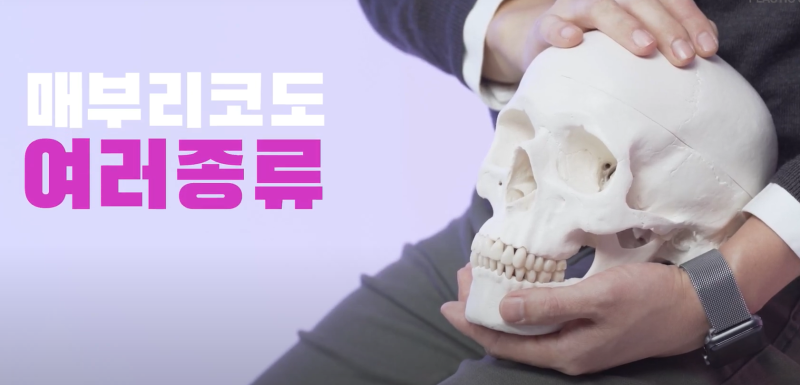
There are several types of hump noses:
- Cases where the septal cartilage protrudes
- Cases where the bone itself protrudes
- Cases where the area between the eyes is exceptionally recessed, making it look like a hump nose
Most commonly, the protrusion occurs at the junction where the cartilage and bone meet.

While hump noses are found in Asians, they are very common in Western facial structures. Characteristics often include a larger nose size, well-developed cartilage, and a nasal tip that either points downward or is short and upturned.

The primary cause is developmental. The hump usually forms where the bone and cartilage meet. During development, as the bone and cartilage grow toward each other, they may collide and overlap, creating the hump. Other causes include bone formation resulting from accidents or direct physical impact.

Simply shaving the causative soft tissue or bone does not guarantee a beautiful nose. A truly aesthetic result is achieved when other structural features—such as a drooping tip, an upturned tip, or an excessively long appearance—are treated simultaneously.

In mild cases, simply smoothing the small hump can yield satisfying results. Alternatively, an implant can be used to cover the area and create a smooth bridge line.
Conversely, if the hump is severe, it must be trimmed to some extent. However, the nasal bone is often thinner than expected. Therefore, completely grinding away the hump is realistically limited. In such cases, the hump is trimmed moderately, and implants or autologous cartilage are used to fill the recessed areas, creating a smooth nasal bridge.

Generally, a large hump is accompanied by a drooping or long nasal tip. By using autologous cartilage to refine the tip, a smooth, continuous line from the bridge to the tip can be achieved, leading to highly satisfying results.
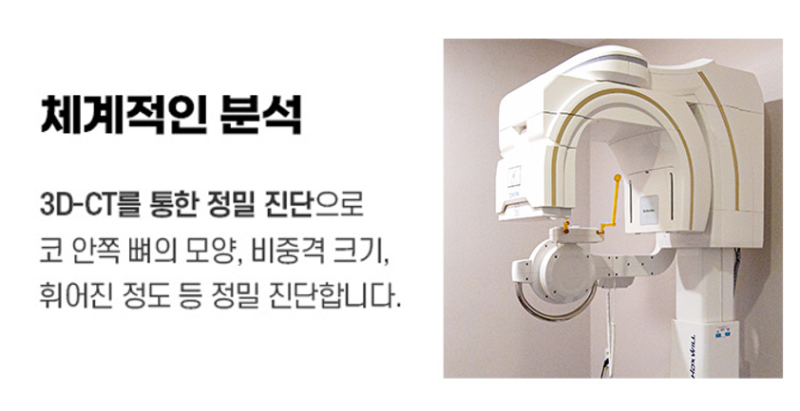
Furthermore, for hump nose surgery, it is crucial to choose a clinic equipped with 3D-CT technology. This allows for a precise examination of the internal nasal structure, bone, cartilage, and tissue status to identify the exact cause before proceeding with correction.
At Vibe Plastic Surgery, we use 3D-CT to perform a detailed analysis of each individual’s unique nasal shape and structure before establishing a customized surgical plan.