2026-05-25
Upturned Nose, Short Nose, and Contracted Nose: Rhinoplasty Methods by Cause
Learn the differences between upturned, short, and contracted noses, and explore customized surgical solutions for each type to achieve ideal facial proportions.

You may have heard the terms ‘upturned nose’, ‘short nose’, or ‘contracted nose’ at some point.
The common feature of these three types is that the nostrils are highly visible when viewed from the front.
In today’s post, we will analyze the characteristics of these three types and discuss the surgical methods for each. If you feel like you fall into one of these categories, please pay close attention :)

Characteristics of Upturned, Short, and Contracted Noses
Upturned, short, and contracted noses all share the trait of excessive nostril exposure from the front.
First, let’s look at the specific characteristics of each!
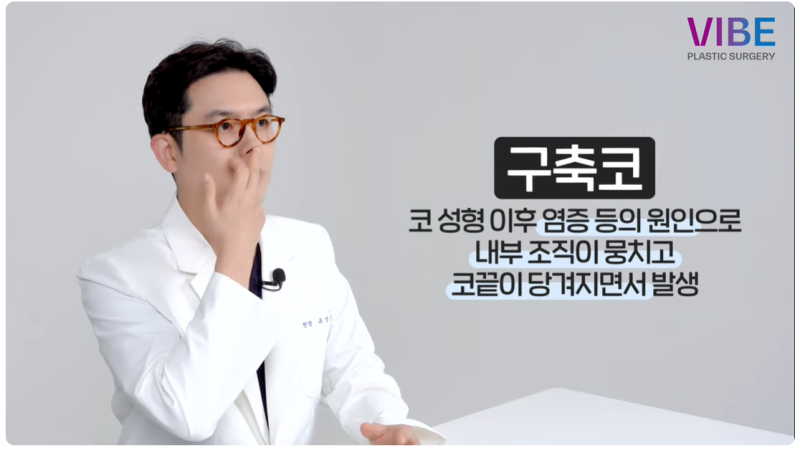
A contracted nose occurs after rhinoplasty when internal tissues clump together due to inflammation or other causes, pulling the tip of the nose upward.
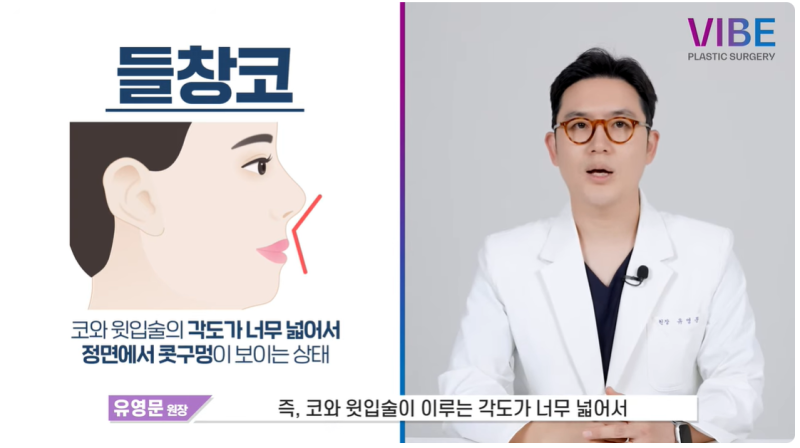
An upturned nose refers to a state where the nostrils are highly visible from the front because the angle between the nose and the upper lip is too wide, regardless of the actual length of the nose.
Sometimes people confuse this with a ‘dragon nose’. A dragon nose is a condition where the tip isn’t necessarily upturned, but the alar cartilage forming the nostrils is underdeveloped.
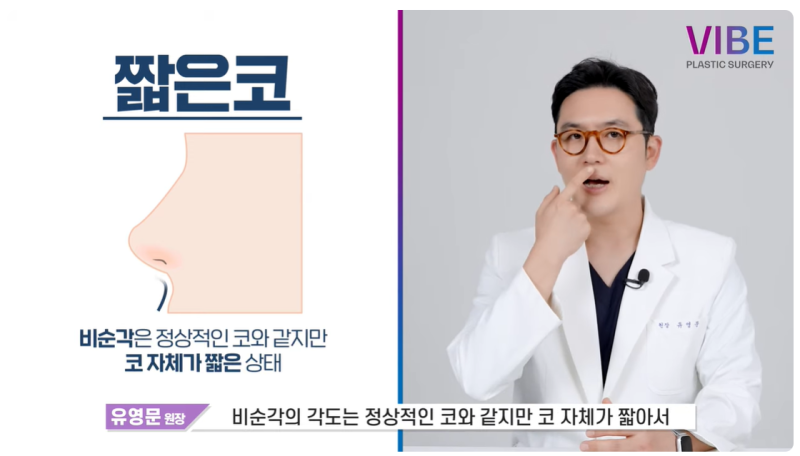
A short nose refers to a shape where the nasolabial angle is normal when viewed from the side, but the nose itself is short in length.
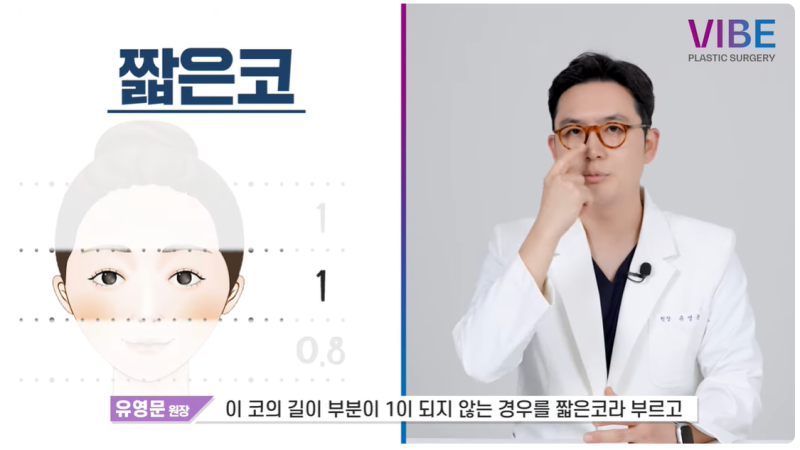
Generally, if the ideal facial ratio is 1 for forehead to eyebrows, 1 for eyebrows to nose, and 0.8 for philtrum to chin, a case where the nose length is less than 1 is considered a short nose.
Short nose types often accompany an upturned appearance.

Surgical Methods for Each Nose Shape
A contracted nose, caused by inflammation from an inserted implant, is externally much more difficult to operate on because the skin becomes hard, shortens, and pulls upward.
Contracted nose cases usually fall under revision surgery. Unlike general revision surgery, contracted nose rhinoplasty is performed in two stages, making it a very complex and demanding procedure.

The surgical method for a contracted nose involves removing the silicone implant that caused the contraction and releasing the adhered internal tissues. One must then focus on recovery for about 6 to 12 months to allow the tissues to heal.
Afterward, revision surgery is performed using autologous tissue, with autologous rib cartilage being the most commonly used material.
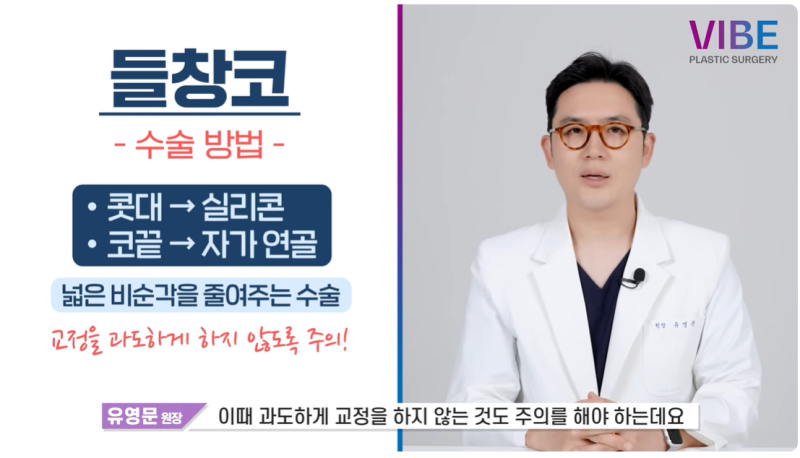
The surgical method for an upturned nose involves using silicone for the bridge and autologous cartilage for the tip to reduce the wide nasolabial angle.
If overcorrected, there is a high possibility the tip will drop too much, potentially resulting in an ‘arrow nose’ look. Therefore, the surgery must be performed with a precise plan and design based on the skin condition and internal tissues.
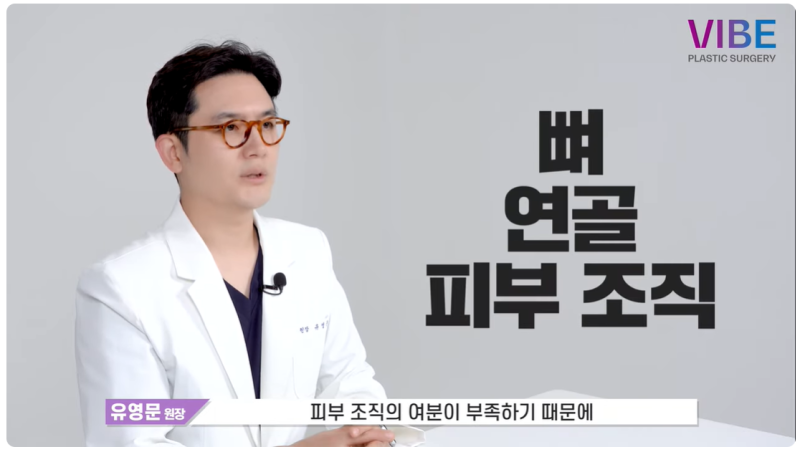
A short nose is considered a difficult surgery because there is relatively little excess bone, cartilage, and skin tissue.
In cases of a low nose, the height must be increased while simultaneously extending the length, requiring maximum effort within limited conditions.
The method for a short, low nose involves moderately raising the bridge to make the nose appear longer and extending the septal cartilage at the tip to both lower the tip and increase its height.
Contracted, short, and upturned nose surgeries are not as simple as they might seem, as they must account for facial proportions, the angle of the nose from the side, patient preference, and the overall nose line.
Therefore, it is crucial to have a surgeon who can accurately diagnose the patient’s characteristics, understand their needs, and create a detailed plan right from the initial consultation.
https://www.youtube.com/watch?v=WALVpmwmasc
If you want to find out if you have a short, upturned, or contracted nose, please contact us via Vibe Plastic Surgery’s KakaoTalk or book a consultation. We will provide a kind and thorough consultation :)
Have a wonderful day!