2026-05-24
Improving Heavy-Looking Eyes (Non-Incisional Ptosis Correction + Dual Canthoplasty Case) by Dr. Young-moon Yoo, VIBE Plastic Surgery Gangnam Station
A case study of a woman in her 30s with sunken eyes and ptosis, achieving a refreshed look through non-incisional ptosis correction and dual canthoplasty.
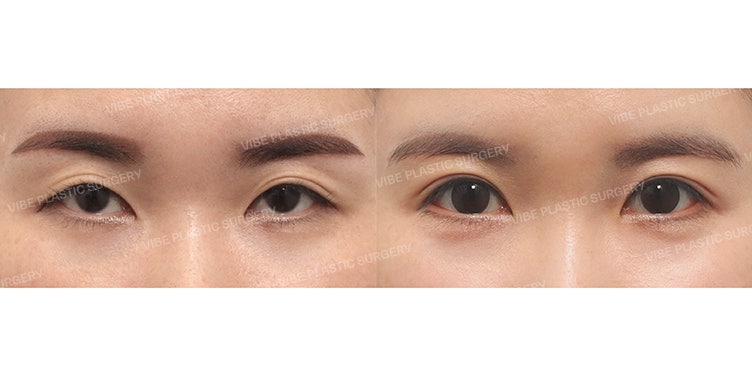
Sunken Eyes + Ptosis: The Reasons Why Eyes Look Heavy
Case Study: Non-Incisional Ptosis Correction + Dual Canthoplasty for a Woman in Her 30s
Some people often hear that they ‘always look tired’ or that their ‘eyes look closed off,’ even when they are feeling perfectly fine.
The patient in her 30s we are introducing today was also concerned about a heavy and burdened impression caused by structural issues of the eyes rather than the actual size of the eyes themselves.
Pre-Surgery Concerns | Sunken and Weak-Looking Impression
The patient’s eye condition can be summarized as follows:
- Sunken eye area making the eyelids appear hollow
- Ptosis (weak eye-opening muscle strength)
- Eyes appearing shadowed due to sunken eyelids
- A dull and heavy look where the eyes seem blocked
👉 In such cases, simply creating a double eyelid through surgery makes it difficult for the eyes to look clear and may actually make the person look even more tired.
Why Was Non-Incisional Ptosis Correction Necessary?
The core issue for this patient was the weak strength of the muscles used to open the eyes (ptosis).
Therefore, the primary goal of the surgery was not just to make the eyes larger, but to ‘allow the eyes to open comfortably and well.’
✔ Advantages of Non-Incisional Ptosis Correction
- Reinforces eye-opening strength without skin incisions
- Low burden even for sunken eyes or thin skin
- Fast recovery and minimal scarring concerns
- Improves the impression to look less tired as the eyes become clearer
👉 This surgery is not about forcing the eyes to be large, but about restoring the original strength the eyes possess.
Reason for Combining with Dual Canthoplasty | Horizontal Extension of the Eyes
After first improving the eye-opening strength and clarity with non-incisional ptosis correction, dual canthoplasty (lateral and lowering) was performed together.
✔ Effects of Dual Canthoplasty
- Natural extension of the horizontal length of the eyes
- The outer corner and lower line are opened up
- Completes a larger and more refreshed impression
- Provides a natural sense of openness without being excessive
👉 Particularly in the case of sunken eyes, enlarging the eyes only vertically can make the impression look sharp; therefore, horizontal expansion provides a much softer effect in improving the impression.
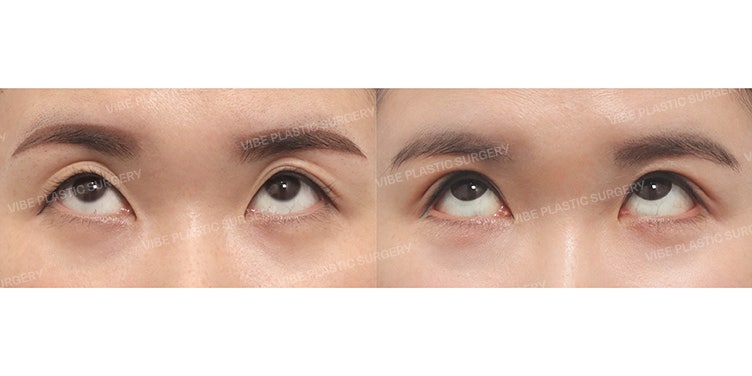
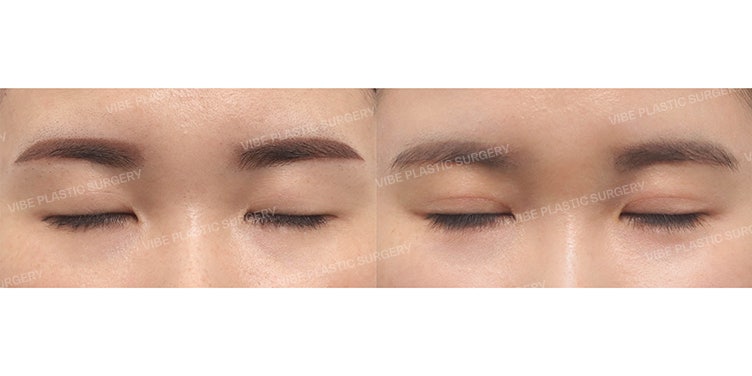
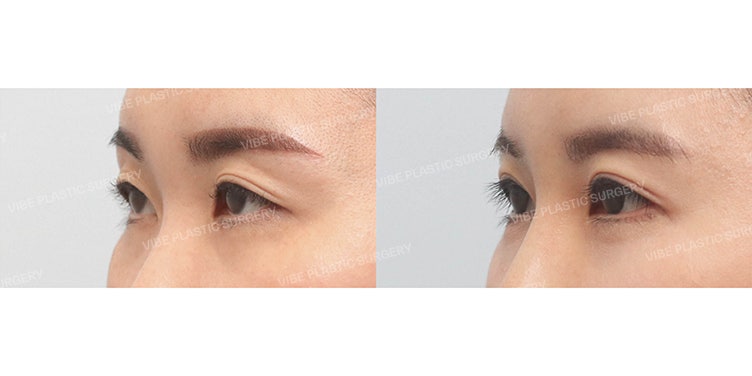
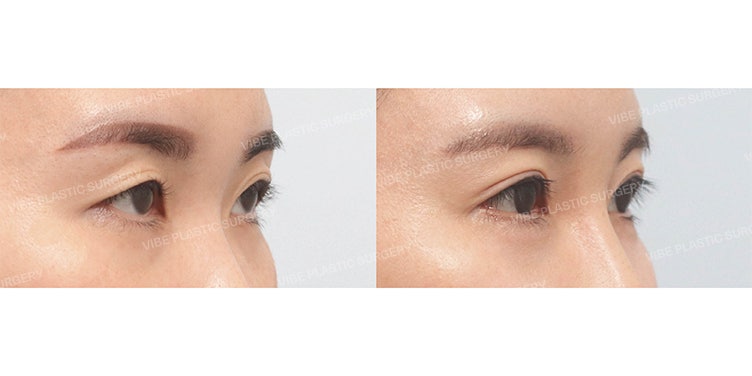
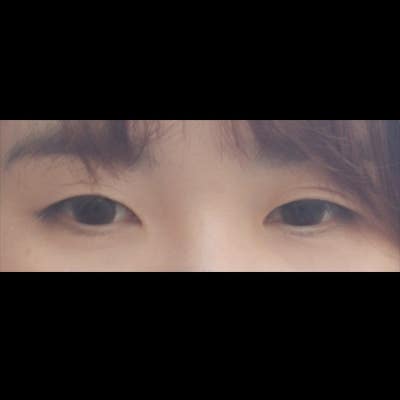
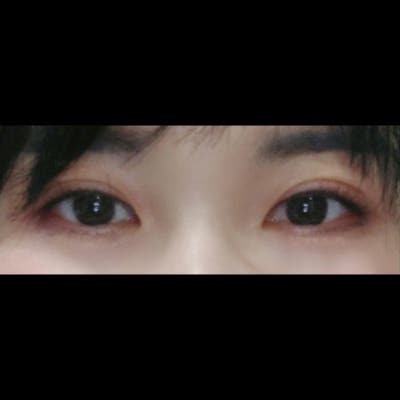
Post-Surgery Changes | Clear Yet Natural Eyes
After the surgery:
- Eye-opening strength improved, resulting in a clear gaze
- The previously shadowed impression became much brighter
- Horizontal length increased, providing a refreshing sense of openness
- Overall, a less tired and well-defined impression was achieved
The patient also reacted by saying, ‘Rather than just my eyes getting bigger, they look much more comfortable and clear.’
Recommended for Sunken Eyes and Ptosis Surgery if:
- You have sunken eyes where the eyelids look hollow and shadowed
- You always look sleepy due to weak eye-opening strength
- You feel burdened by incisional surgery
- You want a naturally clear improvement in your gaze
- Your eyes need horizontal expansion more than vertical enlargement
Closing Thoughts | The Reason Eyes Look Heavy Isn’t Just ‘Eye Size’
It’s not necessarily because the eyes are small; 👉 there are more cases than you might think where eyes look heavy due to eye-opening strength and structural issues.
VIBE Plastic Surgery does not perform surgery to unconditionally make eyes large; we analyze why they look heavy first and then suggest the most comfortable method.
Consultations and surgeries should be handled by a board-certified plastic surgeon!
VIBE that comes from rich experience
Dr. Young-moon Yoo, Representative Director of VIBE Plastic Surgery
VIBE Plastic Surgery complies with medical laws. These before and after photos were taken under the same conditions with the patient’s consent. Complications and side effects such as bleeding, inflammation, infection, and asymmetry may occur after surgery depending on the individual, and caution is required.