2026-05-25
Endoscopic Forehead Lift: How to Avoid Regrets? Key Summary from Vibe Plastic Surgery
Learn the facts about endoscopic forehead lifts, including forehead width, midface length, and recovery symptoms, to ensure a successful result.
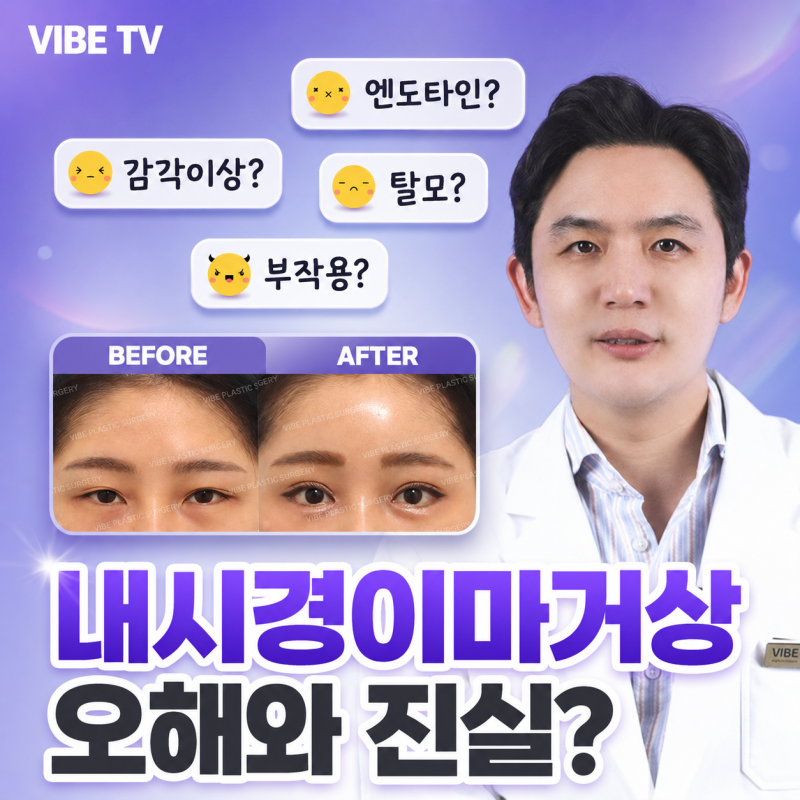
Hello, this is Vibe Plastic Surgery :)
One of the procedures that patients visiting our clinic consult about most frequently is the ‘Endoscopic Forehead Lift’ 👀
Since most people research various information before their consultation, we often spend more time discussing ‘how the impression changes after surgery’ or ‘how the eye-opening strength and forehead line will change’ rather than detailed explanations of the surgical method itself.
⚠️ However, sometimes patients come in with unnecessary worries due to misinformation.
Today, Vibe Plastic Surgery will take the time to fact-check common myths and truths about endoscopic forehead lifts and provide accurate explanations :)
👀 Will my forehead get wider after an endoscopic forehead lift?
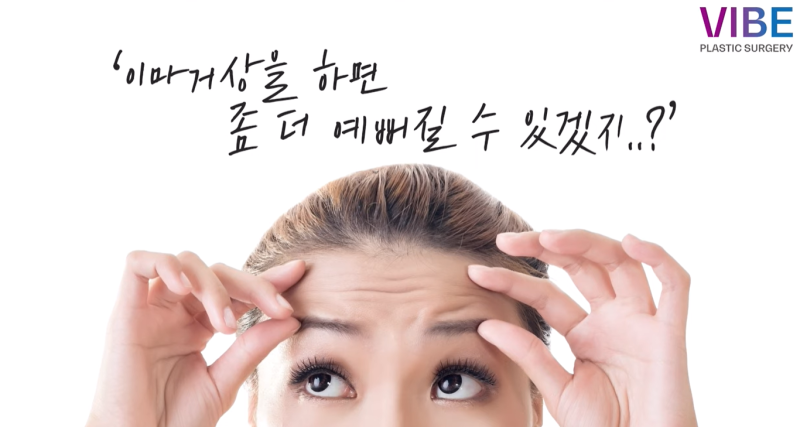
Those who already have a wide forehead often worry, ‘Will my forehead get even wider after surgery?’ Conversely, those with narrow foreheads often ask with expectations of a prettier forehead line through the lift 👀
To get straight to the point, forehead width may not change significantly depending on the individual, but for some, it may widen by a few millimeters.
This depends on skin elasticity, the degree of wrinkles, forehead shape, and tissue characteristics.
Since this is something that can be sufficiently predicted before surgery, we explain it in detail during the consultation ☺️
Also, because the eyebrow position rises together and the overall impression changes, many people don’t actually feel that their forehead has become wider :)
If there is a high possibility of the forehead widening significantly, we can consider a forehead reduction together to improve it to a natural ratio ✨
❓ Does a forehead lift make the midface look longer?
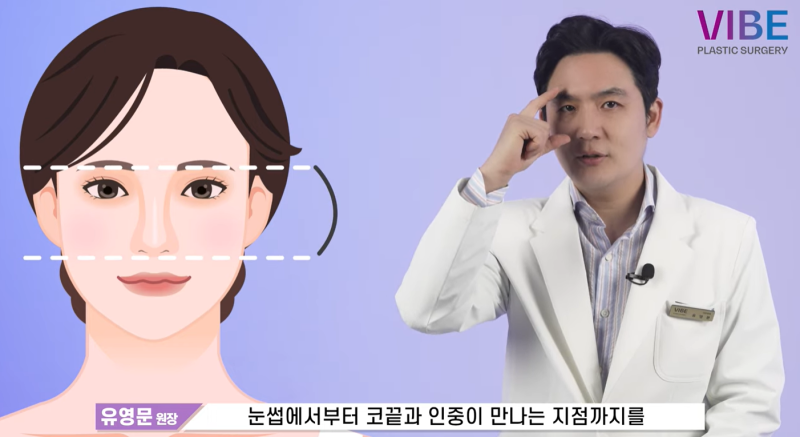
The midface usually refers to the area 📌 from the eyebrows to the point where the tip of the nose meets the philtrum ☺️
When an endoscopic forehead lift is performed, the sagging eyebrow position naturally rises, which can make the midface length appear very slightly longer 👀
However, rather than simply making the face look long, this is closer to a process where the ✨ eyebrow position and facial proportions are refined together, making the overall impression clearer and more harmonious.
In reality, the facial balance often looks better after surgery, so not many people feel that their ‘midface has become longer,’ and 👍🏻 result satisfaction is generally high :)
💡 Will I lose sensation in my forehead after the lift?
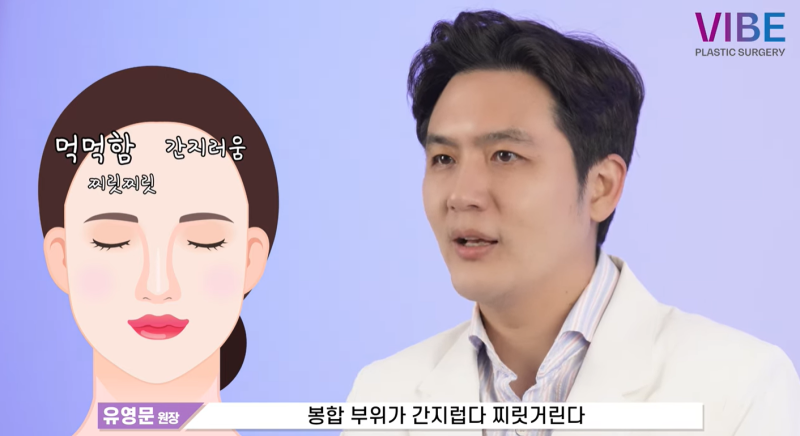
After about 1 to 3 months post-surgery, some patients say:
‘My forehead feels numb.’
‘The suture area is itchy and tingly.’
‘There is a pulling sensation.’ ☺️
First, the pulling sensation is a 📌 natural part of the process because the surgery involves pulling and fixing the forehead tissue.
Also, itching and tingling are ✨ symptoms that appear as sensation returns, which can be seen as a sign that recovery is progressing well :)
During the process of fixing the skin in an endoscopic forehead lift, the nerves responsible for sensation may also be pulled, leading to temporary numbness 👀
Usually, sensation begins to return gradually starting from the eyebrow area. In fast cases, it takes 1–2 months, and on average, most recover naturally over 3–6 months 👍🏻
Therefore, you don’t need to worry too much about early sensory changes :)
📌 Fixation points for endoscopic forehead lift: Is more always better?
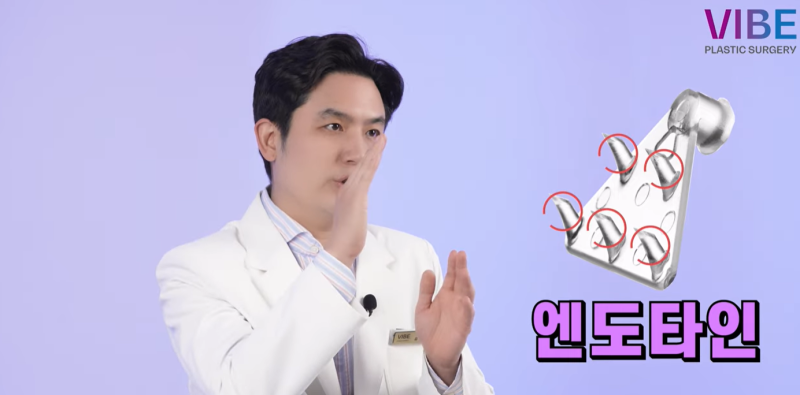
An endoscopic forehead lift is a surgery where the process of pulling and stably fixing saggy tissue is crucial.
At this time, threads or a fixation material called ‘Endotine’ are commonly used :)
Endotine is a material with small protrusions that firmly grips the tissue and is naturally absorbed into the body about a year after surgery.
Since it is a safe material approved by the domestic MFDS and the FDA, you don’t need to worry too much 👍🏻
In fact, using Endotine often helps in terms of durability and stability because it allows for ✨ robust fixation.
Many people also ask, ‘Is it better to use more Endotine?’ ☺️
The conclusion is that what matters is appropriate use for your current condition rather than the quantity.
The required number varies depending on the depth of wrinkles, the degree of skin sagging, and tissue condition. Rather than unconditionally using a lot, the most important thing is to fix it accurately in the necessary areas :)
Can Endotine cause hair loss?
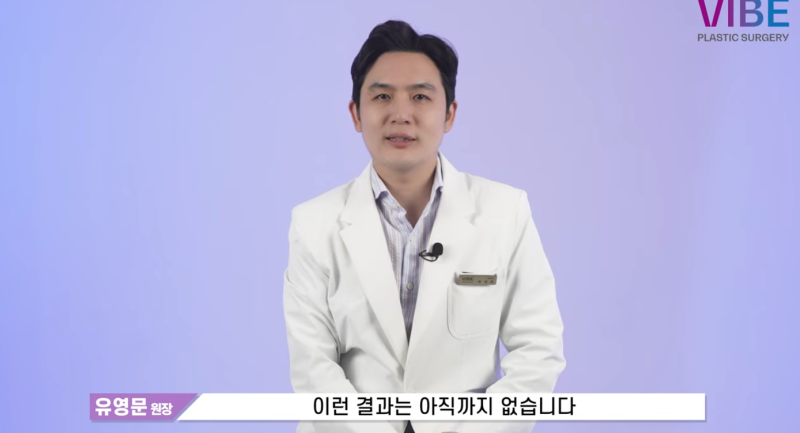
Some people mistakenly believe that 📌 Endotine is the cause of hair loss after an endoscopic forehead lift.
To date, there are no results showing that the use of Endotine itself significantly increases hair loss ☺️
While temporary hair loss occasionally occurs after surgery, it is mostly a phenomenon that happens when hair follicles are stimulated or damaged during the surgical process 👀 In such cases, we monitor the progress and provide simple treatments, and most recover naturally over time 👍🏻
Furthermore, when a skilled specialist performs the surgery, they minimize follicle damage, making this a preventable issue.
In fact, some argue that ✨ fixing with threads may increase the possibility of hair loss due to tension as the force is concentrated in a narrow area.
✔️ A forehead lift tailored to your face is what matters
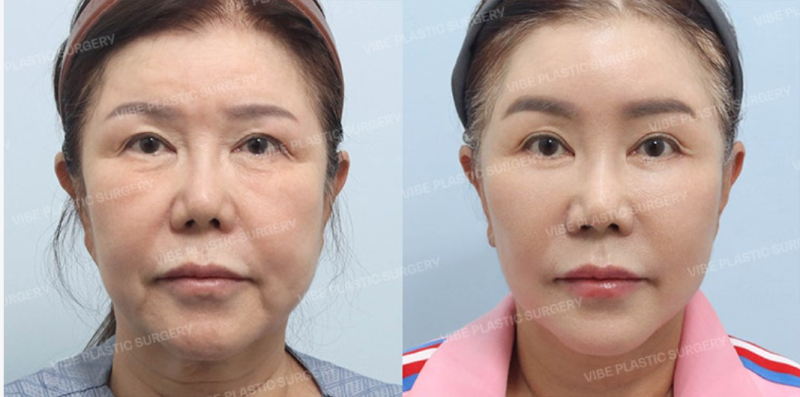
An endoscopic forehead lift is not just a surgery to lift the forehead; it is a procedure that must consider eyebrow position, facial proportions, and changes in impression together ☺️
Since the design and method can vary depending on your current state even for the same surgery, it is most important to proceed in a direction that fits your face :)
If you have more questions about endoscopic forehead lifts, we hope you visit Vibe Plastic Surgery for a thorough consultation :)