2026-09-03
Why 60s Lower Blepharoplasty May Differ from 50s Surgery
Lower blepharoplasty for individuals in their 60s often requires a different approach than for those in their 50s due to more complex age-related changes, including significant skin laxity, fat protrusion, and tear trough hollowing.
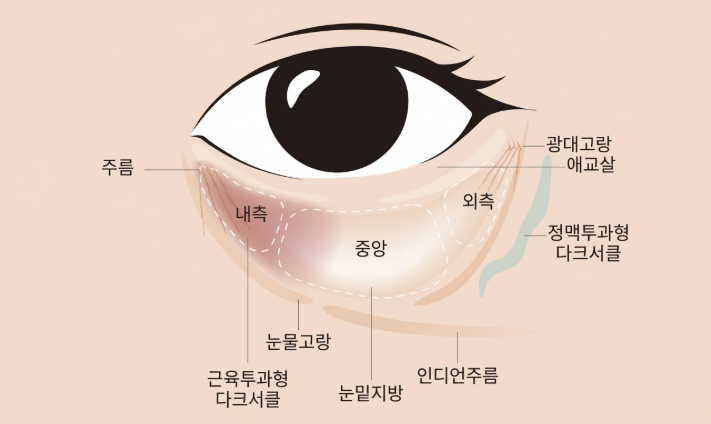
※ This article is intended to provide medical information.
It is not subject to review under Article 56, Paragraph 2 and Article 57 of the Medical Act,
and is not an advertisement unrelated to the content of the review.
Hello,
I am Dr. Jung-Keun Park,
Director of Faceplus Plastic Surgery Clinic.

As we age, many people notice changes
such as puffiness under the eyes,
sagging skin, and deepening wrinkles.
Especially in their 60s, not only fat changes
but also changes in skin elasticity and periorbital tissue
can occur simultaneously.
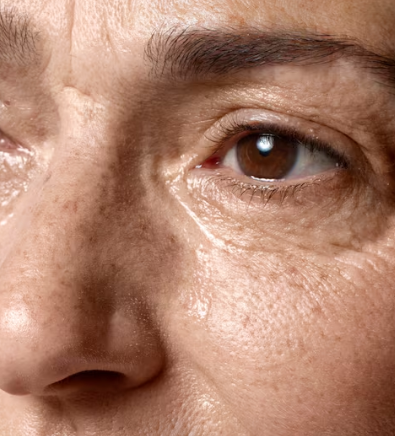
Therefore, for lower blepharoplasty in the 60s, it's crucial
to assess and plan for the overall aging condition of the under-eye area,
rather than simply removing fat.
Table of Contents | ||
1. Characteristics of the Under-Eye Area in the 60s 2. Why it Differs from the 50s 3. Fat Removal and Repositioning 4. What to Check Before Surgery |
1. What's different about the under-eye area in the 60s?
Under-eye aging doesn't just mean
an increase in wrinkles.
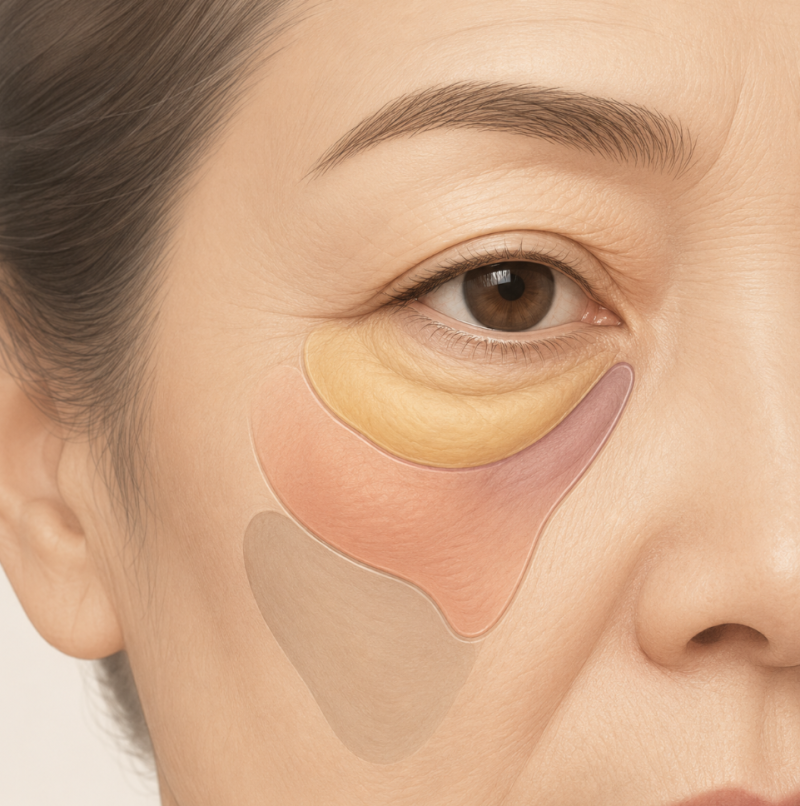
As skin elasticity decreases and sags,
and the tissues supporting the under-eye area weaken,
orbital fat can protrude forward.
If tear troughs also deepen,
the contrast between the puffy and hollow areas
can make one look tired and older.
Furthermore, if accompanied by a loss of volume in the anterior cheek,
the boundary between the under-eye and cheek becomes more distinct,
creating an overall shadowed impression.
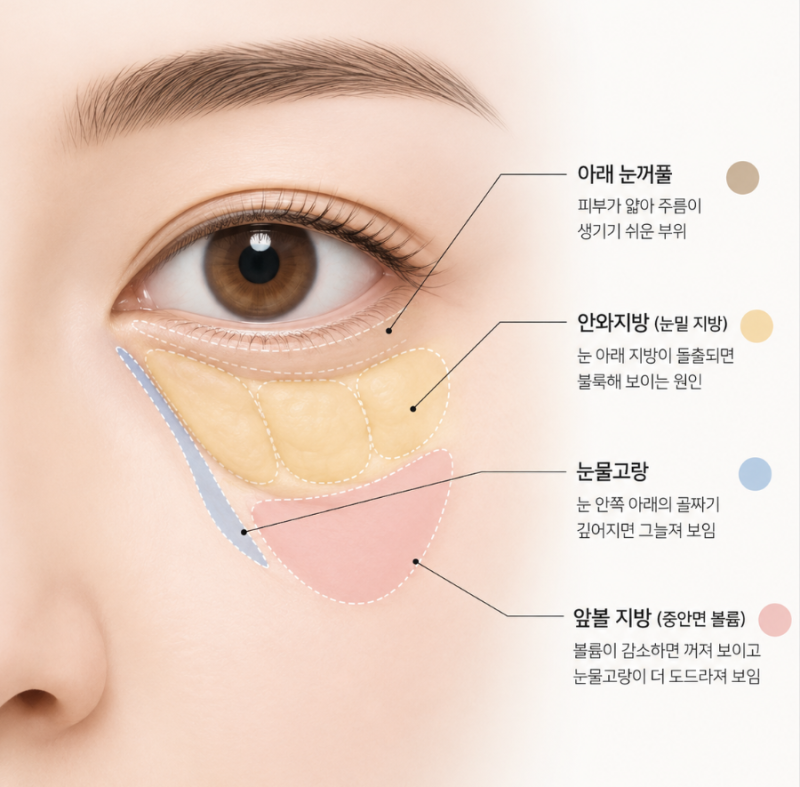
Therefore, for lower blepharoplasty in the 60s,
it's necessary to assess skin sagging, fat, and tear troughs
together.
2. Why the surgical method differs from the 50s
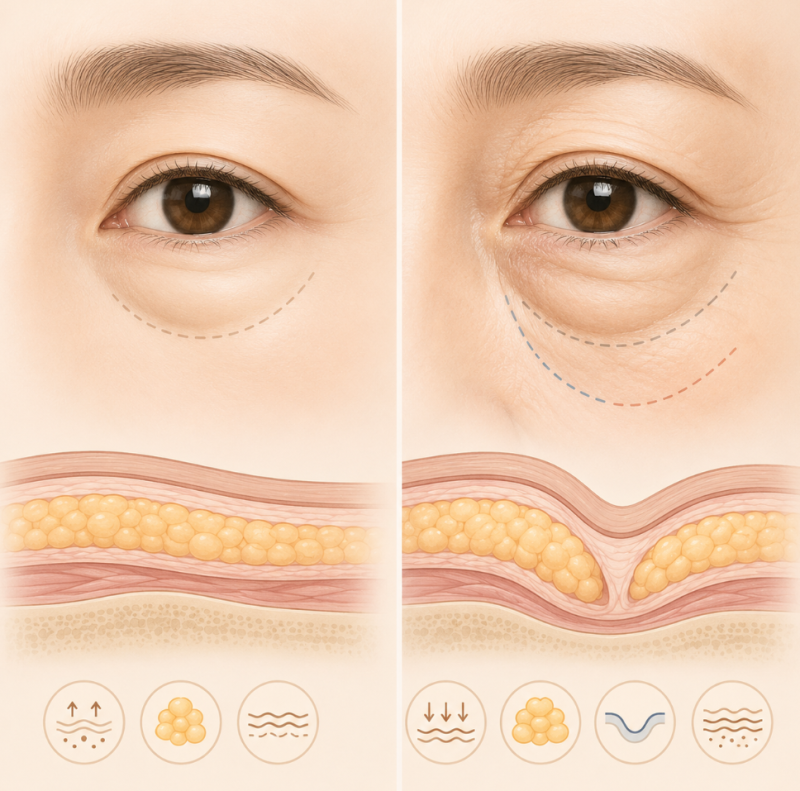
Under-eye aging also appears in the 50s,
but skin and surrounding tissue elasticity
may still be relatively preserved.
In contrast, in the 60s, skin sagging, fat protrusion,
and under-eye hollowing often occur simultaneously,
which can increase the number of factors to consider.
Thus, lower blepharoplasty in the 60s
is not just about tidying up fat, but also about addressing sagging skin and
the overall connection of the under-eye area.
Even if the under-eye area appears to sag to the same extent,
the required correction range can differ
depending on the amount of excess skin and the condition of the muscles.
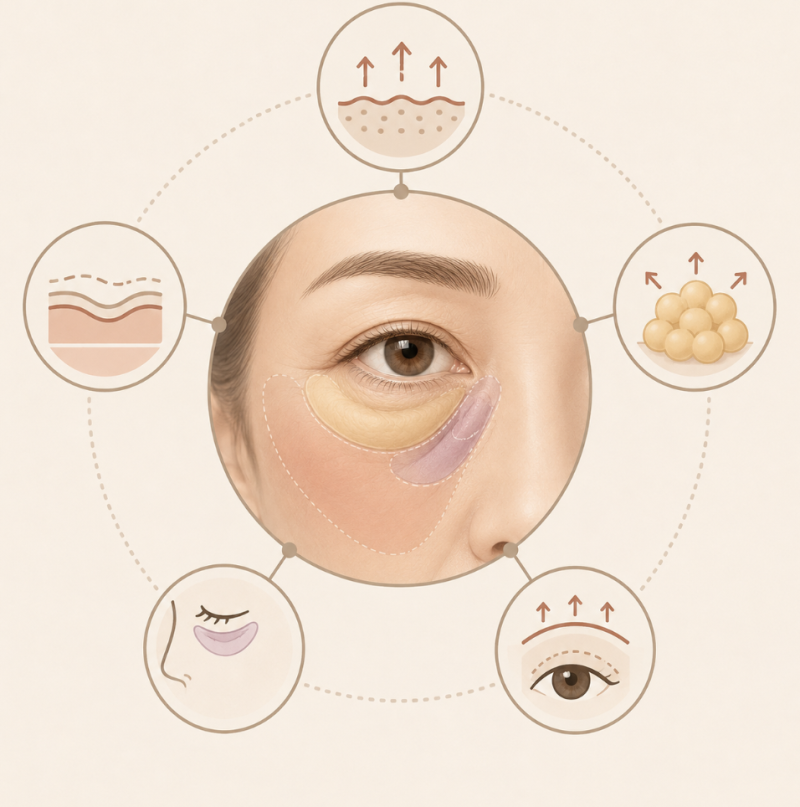
The surgical method is not determined by age alone;
the scope of surgery can vary
depending on the actual degree of aging and the periorbital structure.
3. Should under-eye fat be removed?
It's easy to think that the more fat removed,
the better, if the under-eye area is puffy.
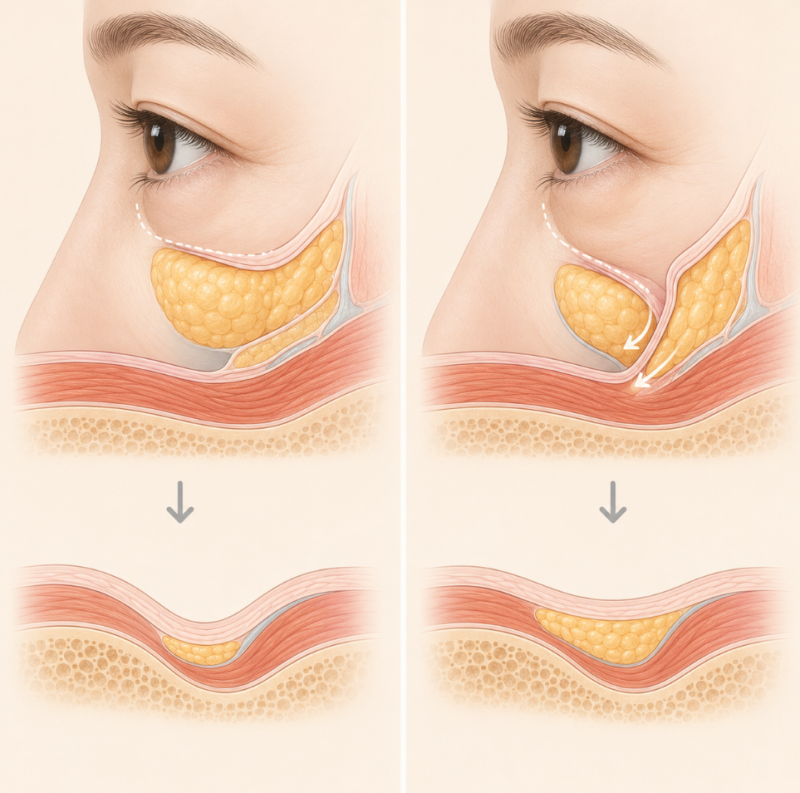
However, if fat is excessively removed,
the under-eye area may appear hollow,
and tear troughs may become more emphasized.
In lower blepharoplasty for the 60s, the position of protruding fat and
hollow areas are assessed together, and fat repositioning
may be considered if necessary.
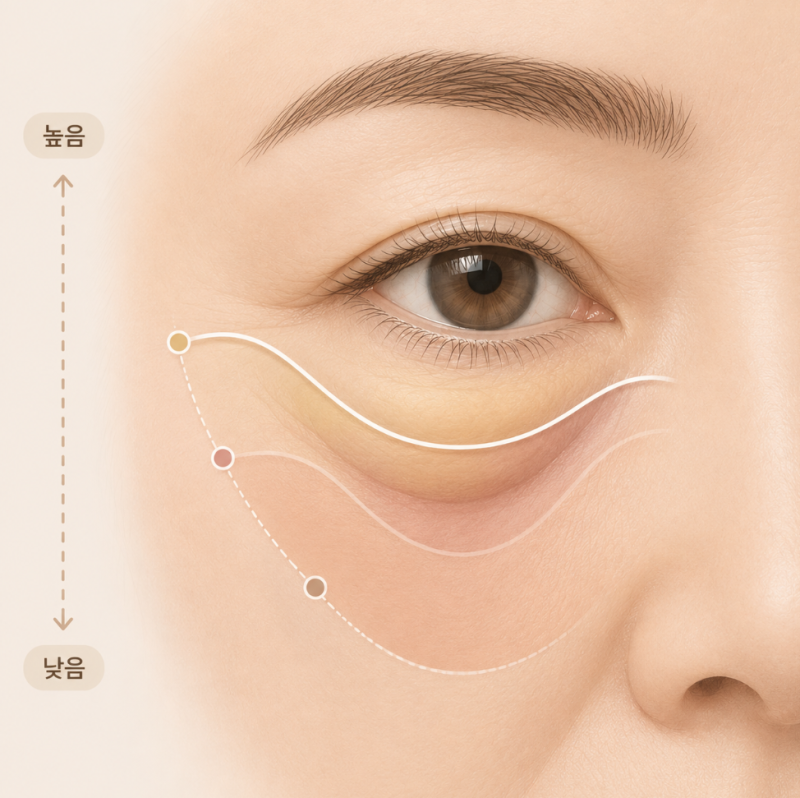
This method involves moving the protruding fat to the hollow area
to smoothly refine the boundary
from the under-eye to the anterior cheek.
The important thing is not to remove a lot of fat,
but to approach it in a way that creates a natural under-eye
line by considering the balance between protrusion and hollowing.
4. What should be checked before surgery?
Lower blepharoplasty in the 60s should not aim
to remove a lot of skin or unconditionally flatten the under-eye area.
This is because excessive skin removal can lead to problems
such as the lower eyelid being pulled down or eversion (turning outward).
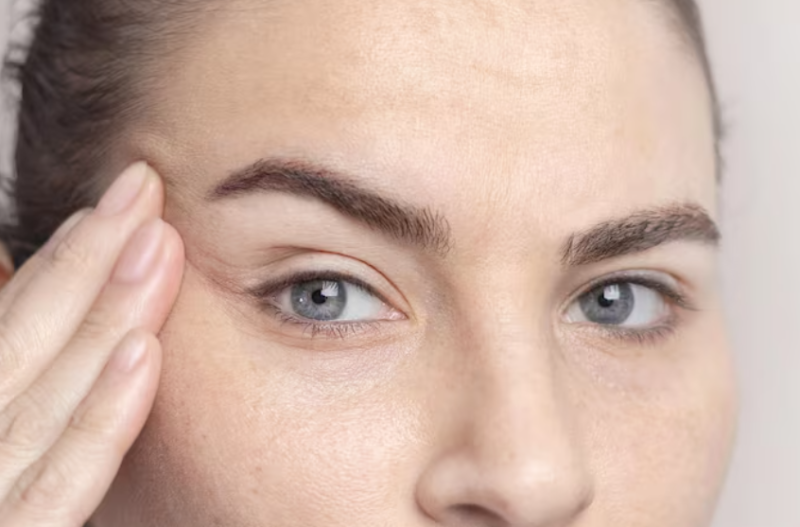
Therefore, skin elasticity, eyelid support,
fat position, and tear troughs
must be comprehensively assessed.
Especially in the 60s, there are significant individual differences
in skin and tissue condition, so it's important to meticulously examine
eyelid movement and the degree of sagging before surgery.
Ultimately, what's important in lower blepharoplasty for the 60s
is not age itself, but choosing the appropriate method
based on the current state of under-eye aging.
Since each individual's skin and fat condition differ,
it's important to determine the surgical direction that suits you
through thorough diagnosis and consultation.
-Operating Hours-
Weekdays 9:00 ~ 18:00 Saturdays 9:00 ~ 16:00 Public Holidays / Sundays Regular closure |
-Contact Us-
Faceplus Plastic Surgery Clinic | ||
Consultation Phone: 02-541-8500 Inquiries: KakaoTalk Inquiry |
-Directions-
Frequently Asked Questions
How does lower blepharoplasty for individuals in their 60s differ from those in their 50s?
Yes, it can differ. In their 60s, complex aging phenomena such as decreased skin elasticity, fat protrusion, and under-eye hollowing often appear simultaneously, requiring more considerations than for those in their 50s. Therefore, it's necessary to go beyond simply tidying up fat and address the sagging skin and the overall connection of the under-eye area.
Is it always necessary to remove under-eye fat during lower blepharoplasty for individuals in their 60s?
No, it's not always necessary to remove it. Excessive fat removal can make the under-eye area appear hollow, emphasizing the tear troughs. It's important to assess both protruding fat and hollow areas and consider fat repositioning as needed to create a natural under-eye line.
What should be checked before lower blepharoplasty?
Before surgery, skin elasticity, eyelid support, fat position, and tear troughs should be comprehensively assessed. Especially in their 60s, there are significant individual differences in skin and tissue condition, so it's crucial to meticulously examine eyelid movement and the degree of sagging.
What is the goal of lower blepharoplasty for individuals in their 60s?
The goal of lower blepharoplasty for individuals in their 60s is not to remove a lot of skin or unconditionally flatten the under-eye area. It's about choosing the appropriate method based on the current state of under-eye aging, rather than age itself, to create natural and harmonious eyes.
Can ectropion (eyelid turning outward) occur after lower blepharoplasty?
Yes, there is a possibility. If too much skin is removed, problems such as the lower eyelid being pulled down or turning outward (ectropion) can occur. Therefore, it's important to carefully evaluate skin elasticity and eyelid support before surgery.