2026-09-03
Lower Blepharoplasty for Patients in Their 60s: If You're Concerned About Under-Eye Wrinkles and Fat, Check Scars and Efficacy First
For those in their 60s considering lower blepharoplasty for under-eye wrinkles and fat, it's crucial to understand the procedure's efficacy and potential scarring. This article provides a realistic overview of what to expect.
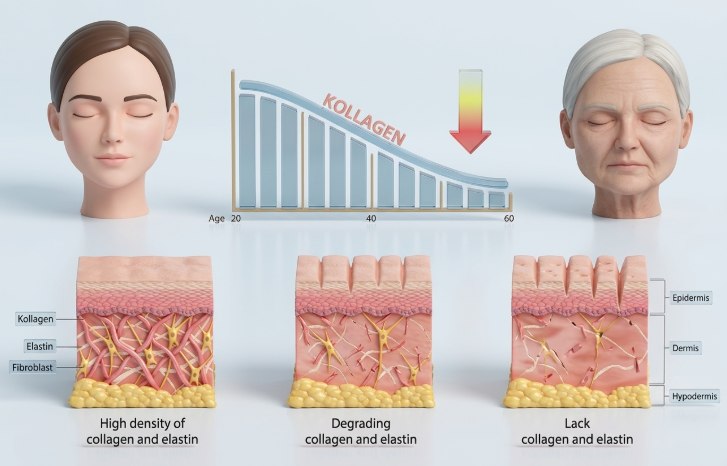
※ This article is intended to provide medical information.
It is not subject to deliberation under Article 56, Paragraph 2 and Article 57 of the Medical Service Act,
and we inform you that it is not an advertising post unrelated to the content of the deliberation.
Hello,
I am Dr. Jung-Geun Park,
Director of Faceplus Plastic Surgery Clinic,
specializing in lower blepharoplasty for patients in their 60s.

As we age,
many people worry that their impression changes
due to under-eye wrinkles or fat protrusion.
Especially after the age of 60, with decreased skin elasticity,
the under-eye area often becomes puffy or experiences hollowing and wrinkles simultaneously.

This can make one look tired or
give an impression of being older than one's actual age.
While many consider lower blepharoplasty to improve these changes,
a considerable number of people hesitate due to concerns about scars and efficacy.
In this article, I will realistically summarize the effects and scars of lower blepharoplasty,
and the criteria that should be considered.
Table of Contents | ||
1. Reasons for Under-Eye Wrinkles and Fat 2. Areas that Can Be Improved with Lower Blepharoplasty 3. Extent of Scarring 4. Criteria to Check Before Surgery |
1. Reasons for Under-Eye Wrinkles and Fat
Under-eye changes are not merely the formation of wrinkles;
they are complex structural changes where the skin, fat, and muscles are all affected.
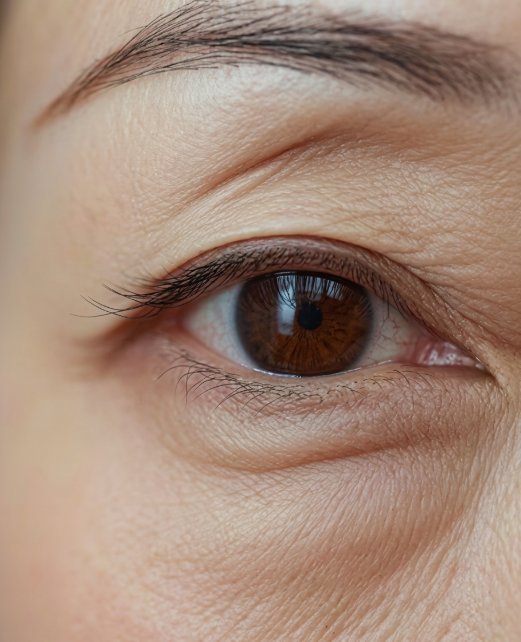
As we age, skin elasticity decreases,
and the structures supporting the fat weaken,
causing under-eye fat to push forward,
which can result in a puffy appearance.
Conversely, some areas may become hollow, creating shadows,
making wrinkles appear more prominent.
These changes vary in degree from person to person,
and rather than being explained by a single cause,
multiple factors often work together.
2. Areas that Can Be Improved with Lower Blepharoplasty
Lower blepharoplasty is a method that addresses both under-eye fat and sagging skin.
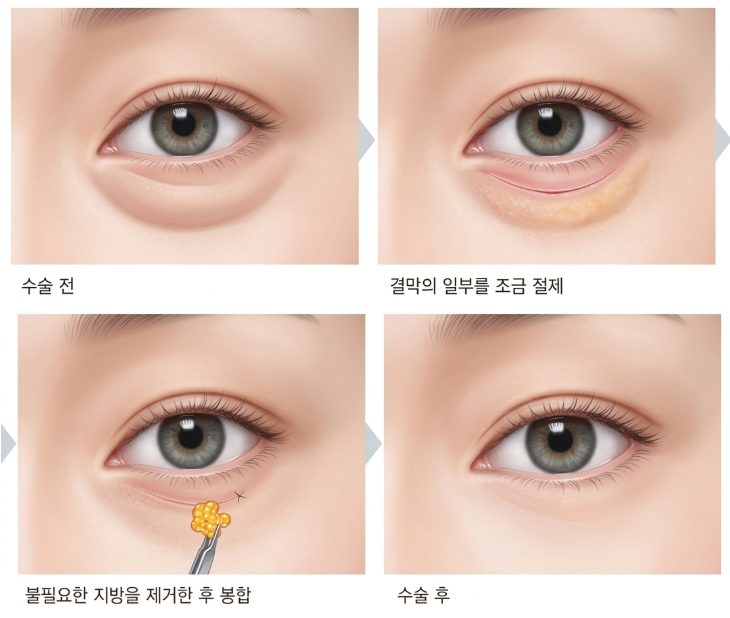
The goal is to reposition or remove protruding fat
and excise excess skin
to improve the under-eye line into a more refined shape.
This can help reduce puffiness
and alleviate a shadowed appearance.
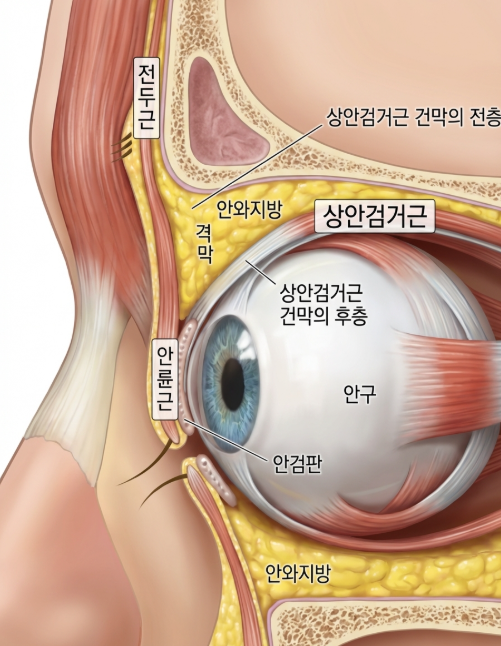
Additionally, by reducing excess skin,
a reduction in wrinkles can also be expected.
However, it is important to understand that
the extent of improvement may vary depending on the individual's condition,
and not all wrinkles will completely disappear.
3. Extent of Scarring
One of the most common concerns regarding lower blepharoplasty
is about scarring.
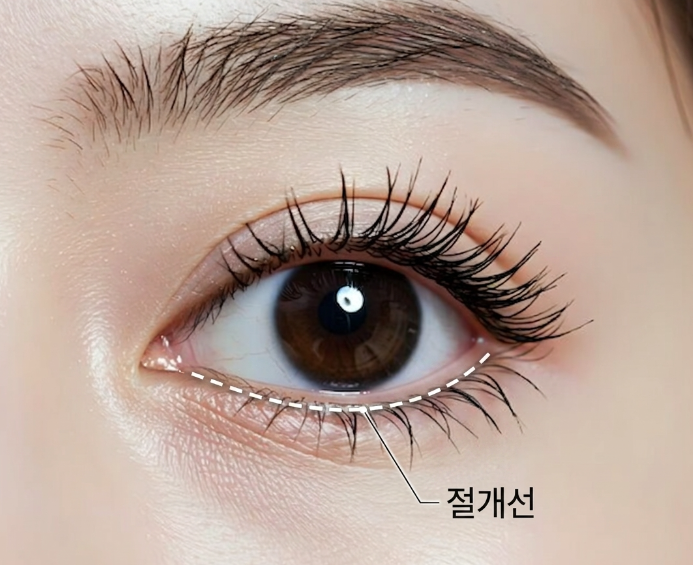
Generally, the incision is made along the line directly below the eyelashes,
so it may be noticeable initially, but often fades over time.
Individual differences may exist depending on skin condition and the healing process.

Furthermore, due to the nature of the incision location, it is often not very noticeable
from a normal distance.
However, in the early stages of recovery, swelling or discoloration may occur,
so a period of observation is necessary.
4. Criteria to Check Before Surgery
Before deciding on lower blepharoplasty,
it is important to accurately assess the current condition of the under-eye area.

The surgical method and approach may vary
depending on whether fat protrusion is the primary cause
or if skin laxity is a greater factor.
Excessive correction can lead to unnatural results,
so it is necessary to establish an appropriate range.
-Operating Hours-
Weekdays 9:00 ~ 18:00 Saturdays 9:00 ~ 16:00 Public Holidays / Sundays Regular closure |
-Contact Us-
Faceplus Plastic Surgery Clinic | ||
Consultation Phone: 02-541-8500 Inquiries: KakaoTalk Inquiry |
-Directions-
Lower Blepharoplasty for Patients in Their 60s
Frequently Asked Questions
What aspects can lower blepharoplasty improve?
Lower blepharoplasty can improve the under-eye area by addressing both under-eye fat and sagging skin. It helps to refine the under-eye line by repositioning or removing protruding fat and excising excess skin, thereby reducing puffiness and alleviating a shadowed appearance.
How much scarring is left after lower blepharoplasty?
Generally, the scar from lower blepharoplasty is made along the line directly below the eyelashes, so it gradually fades over time. While it may be noticeable initially, due to the nature of the incision location, it is often not very conspicuous from a normal distance.
What are the main causes of under-eye wrinkles and fat in people in their 60s?
In people in their 60s, the main causes are complex structural changes due to decreased skin elasticity and weakened fat-supporting structures. This leads to under-eye fat pushing forward, causing puffiness, or some areas becoming hollow, making shadows and wrinkles more prominent.
What should be checked before lower blepharoplasty?
Before deciding on lower blepharoplasty, it is crucial to accurately assess the current condition of the under-eye area. The surgical method and approach may vary depending on whether fat protrusion is the primary cause or if skin laxity is a greater factor, so it is necessary to establish an appropriate range of correction.
Will all under-eye wrinkles disappear with lower blepharoplasty?
No, not all wrinkles will completely disappear. Lower blepharoplasty can be expected to reduce wrinkles by tightening excess skin, but the extent of improvement may vary depending on the individual's condition.