2026-09-03
Changes Caused by Neglecting Eyelid Ptosis in Your 60s: Can Upper and Lower Blepharoplasty Help?
Neglecting eyelid ptosis in your 60s can lead to vision obstruction, fatigue, and an aged appearance. Upper and lower blepharoplasty can effectively address these issues by tightening skin, repositioning fat, and restoring a more youthful look.
※ This article is intended to provide medical information.
It is not subject to review under Articles 56(2) and 57 of the Medical Service Act,
and we inform you that it is not an advertisement unrelated to the review content.
Hello,
I am Dr. Jung-Keun Park,
Director of Faceplus Plastic Surgery Clinic.
Many people feel that their eyes are getting heavier and their vision is obstructed.
Especially after the age of 60, this is often not simply due to fatigue,

but rather due to actual changes in the structures around the eyes.
‘It's hard to open my eyes’‘My under-eyes keep looking saggy’
I often hear these remarks in the consultation room.
Eyelid ptosis at this age is a natural change, but it's good to know what changes will follow if it's left untreated.
Table of Contents | ||
1. Reasons for Eyelid Ptosis in Your 60s 2. Changes That Occur When Left Untreated 3. Improvements with Upper Blepharoplasty 4. Differences with Lower Blepharoplasty |
1. Reasons for Eyelid Ptosis in Your 60s
Eyelid ptosis in your 60s is not merely a problem of sagging skin.
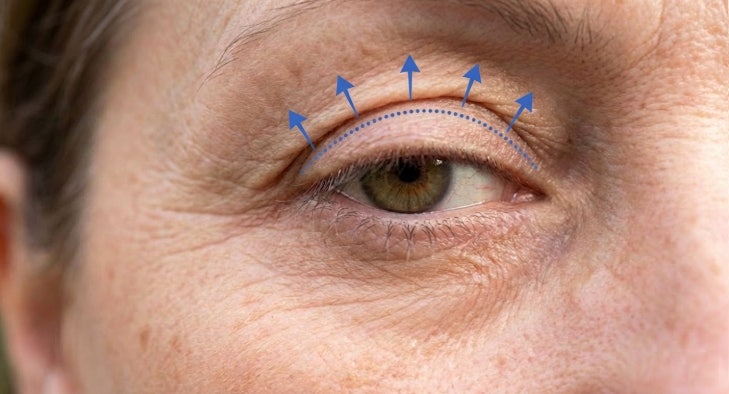
As the eyelid skin thins and sags, the underlying muscles and fat also descend.
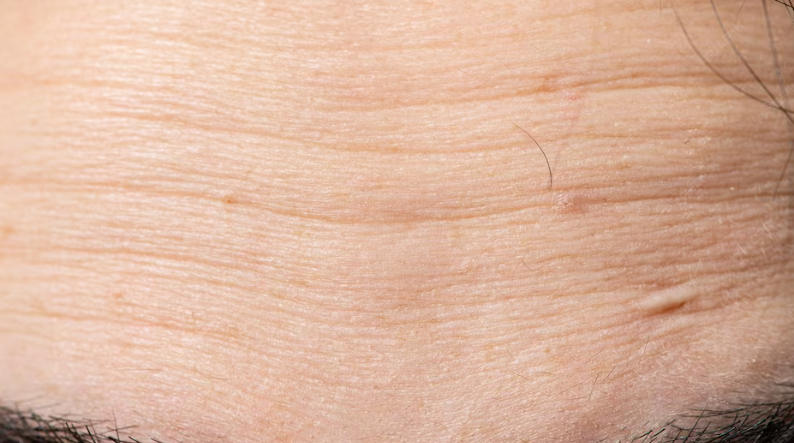
As the strength to open the eyes weakens, the forehead muscles are used together,
which often leads to deeper forehead wrinkles.
As the entire periorbital structure descends, the eyes appear smaller,
and the overall impression becomes heavier.
Since these changes progress gradually, individuals adapt to them, but often hear from others that they look tired.
2. Changes That Occur When Left Untreated
If this condition is left untreated, discomfort can gradually increase.
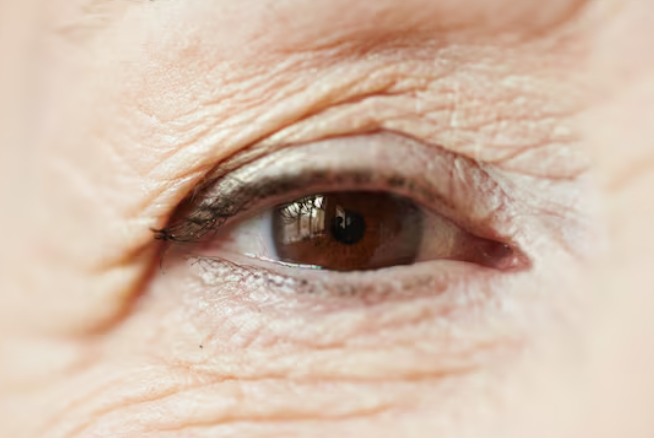
The eyelids obstruct vision, leading to a habit of raising the eyebrows, and eye fatigue easily accumulates.
Under the eyes, fat protrudes or hollows, creating shadows, and wrinkles deepen, emphasizing an overall aged appearance.
Beyond merely aesthetic changes, some individuals also complain of headaches or dry eyes due to frequent squinting in daily life.
3. Improvements with Upper Blepharoplasty
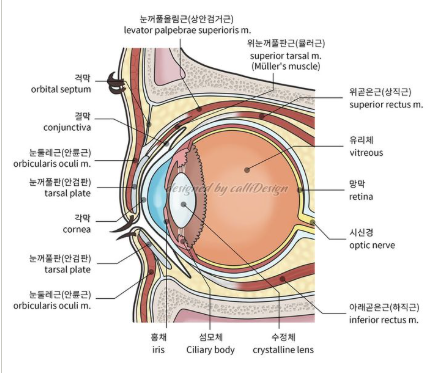
Upper blepharoplasty aims to tidy up the sagging skin of the upper eyelid and supplement the function of opening the eyes.
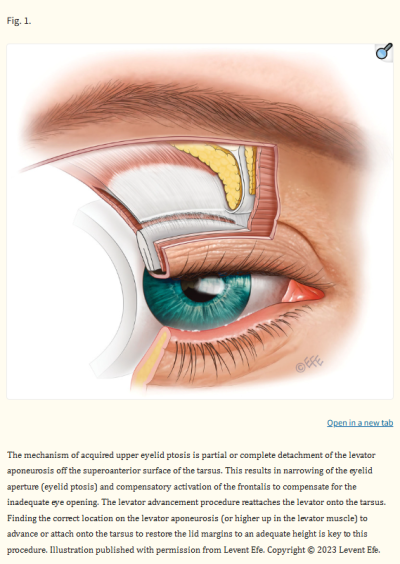
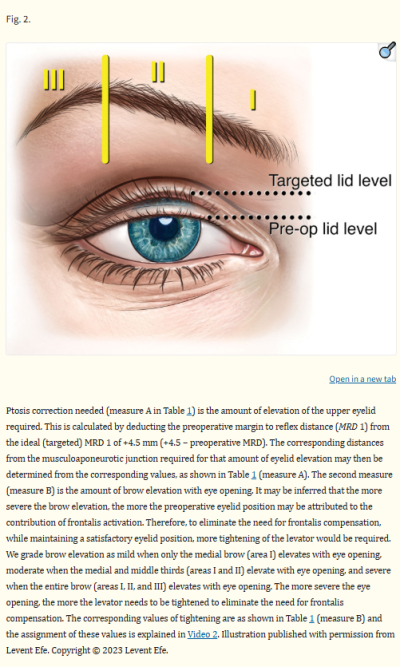
By removing the sagging skin, it helps prevent the force of opening the eyes from being dispersed, so you can feel your eyes opening more clearly.
In some cases, a process of adjusting the muscles together may be necessary.
The important point is not just to cut out skin, but to tidy it up appropriately without overdoing it, according to the current eye structure.
4. Differences with Lower Blepharoplasty
Lower blepharoplasty is performed considering both the fat and skin condition under the eyes.
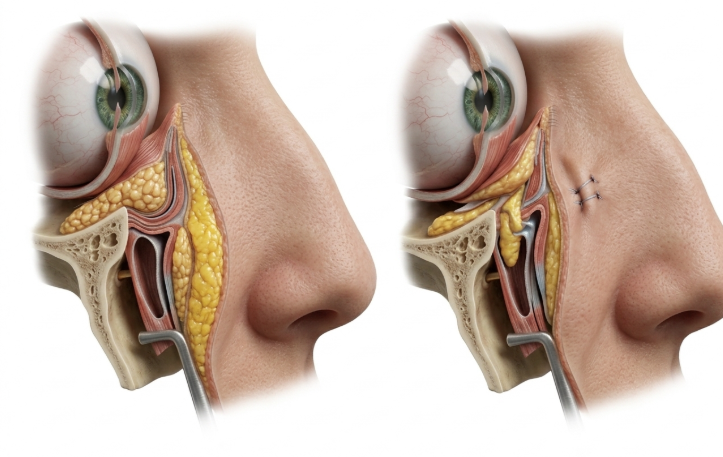
Protruding fat is repositioned or removed, and sagging skin is appropriately tidied.
The key is to flatten hollow areas and create a natural boundary under the eyes.
Once tidied, the under-eye area appears brighter, and the overall impression becomes much softer.

Since eyelid ptosis is not merely a problem of one area, it is important to assess the upper and lower eyelids according to their respective conditions.
Accurately understanding and approaching the current eye structure is what makes a difference in the results.
-Operating Hours-
Weekdays 9:00 ~ 18:00 Saturdays 9:00 ~ 16:00 Public Holidays / Sundays Regular Closure |
-Contact Us-
Faceplus Plastic Surgery Clinic | ||
Consultation Phone: 02-541-8500 Inquiries: KakaoTalk Inquiry |
-Directions-
Eyelid Ptosis in Your 60s
Frequently Asked Questions
Why does eyelid ptosis occur in your 60s?
Eyelid ptosis in your 60s is not merely a problem of sagging skin. It occurs because the eyelid skin thins and sags, and the underlying muscles and fat also descend. The weakening strength to open the eyes leads to using forehead muscles, which can deepen forehead wrinkles.
What problems arise if eyelid ptosis is left untreated?
If eyelid ptosis is left untreated, discomfort can increase. The eyelids obstruct vision, leading to a habit of raising the eyebrows, and eye fatigue accumulates. Some individuals also complain of headaches or dry eyes.
What are the effects of upper blepharoplasty?
Upper blepharoplasty aims to tidy up the sagging skin of the upper eyelid and supplement the function of opening the eyes. By removing the sagging skin, it helps prevent the force of opening the eyes from being dispersed, allowing you to feel your eyes opening more clearly.
How can lower blepharoplasty improve the under-eye area?
Lower blepharoplasty is performed considering both the fat and skin condition under the eyes. Protruding fat is repositioned or removed, and sagging skin is appropriately tidied, helping the under-eye area appear brighter and the overall impression become much softer.
Is eyelid ptosis merely a skin problem?
No, eyelid ptosis in your 60s is not merely a problem of sagging skin. It is a complex change where the eyelid skin thins and sags, and the underlying muscles and fat also descend. Weakening strength to open the eyes is also one of the causes.