2026-09-03
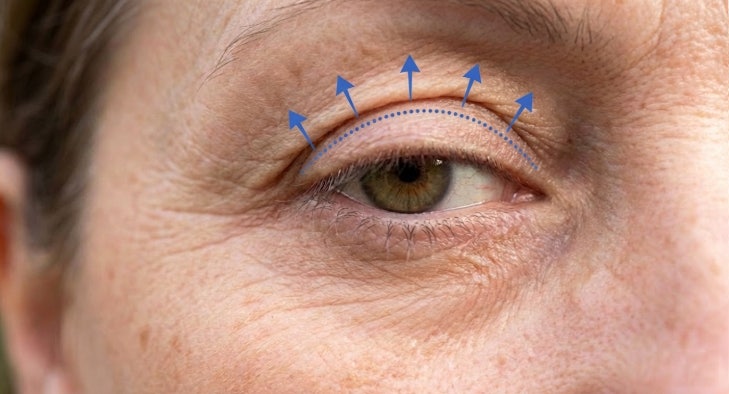
Is Eyelid Ptosis in Your 50s Just Aging? When Improvement is Needed
Eyelid ptosis in your 50s can be more than just aging, often causing functional discomfort. Learn when it's just natural aging versus when improvement is necessary.
※ This article is intended to provide medical information.
It is not subject to review under Article 56, Paragraph 2 and Article 57 of the Medical Act,
and is not an advertisement unrelated to the content of the review.
Eyelid Ptosis in Your 50s: Is It Just Aging?
Hello,
I am Dr. Jung-Geun Park,
Director of Faceplus Plastic Surgery Clinic.
The 50s are often when people start hearing that their
eyes look smaller than before and their expression seems
more tired or constricted.
Many people ask,
‘Is this just what happens when you get older?’
However, simply dismissing it as natural aging
can be problematic, as it often leads to actual daily
inconveniences.
So today, I will explain step-by-step whether eyelid ptosis is just a natural age-related change,
or if it’s a situation that requires consideration for improvement.
Table of Contents | ||
1. Is eyelid ptosis simply an age-related issue? 2. Actual causes of drooping eyelids 3. When it's okay to leave it vs. When improvement is needed 4. Eyelid ptosis improvement methods: How do they differ? |
1. Is eyelid ptosis simply an age-related issue?
As people enter their 50s, they often say, ‘My eyes feel heavy’
or ‘It’s hard to open my eyes.’
Looking in the mirror, they notice their eyes appear smaller than before,
and their expression feels more tired or constricted.
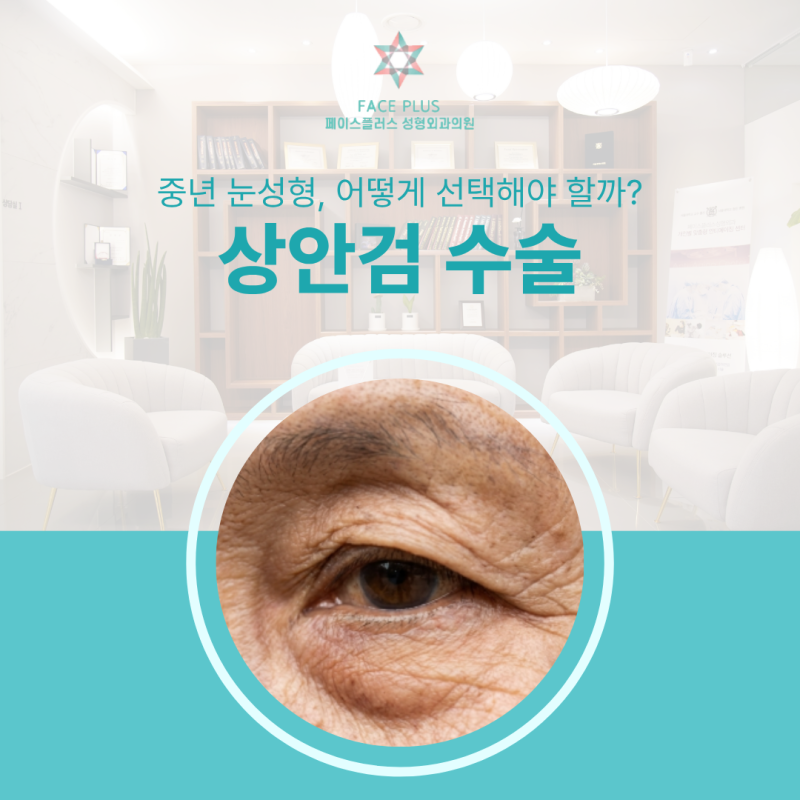
While these changes are certainly related to age,
it’s difficult to view it as merely a problem of sagging skin.
In reality, it often occurs as the entire structure around the eyes gradually
descends.
That’s why, even at the same age, some individuals experience fewer changes,
while others notice rapid drooping.
2. Actual causes of drooping eyelids
Eyelid ptosis is not just about skin sagging;
it involves the combined effects of eyebrow position, muscle strength, and changes in fat location.
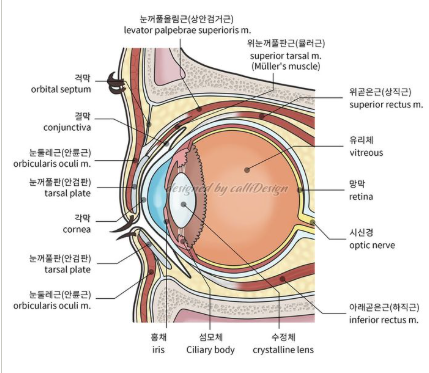
Specifically, when the strength to open the eyes weakens, the forehead muscles
are used instead.
In this process, the eyebrows gradually descend,
and the eyelids become more covered.
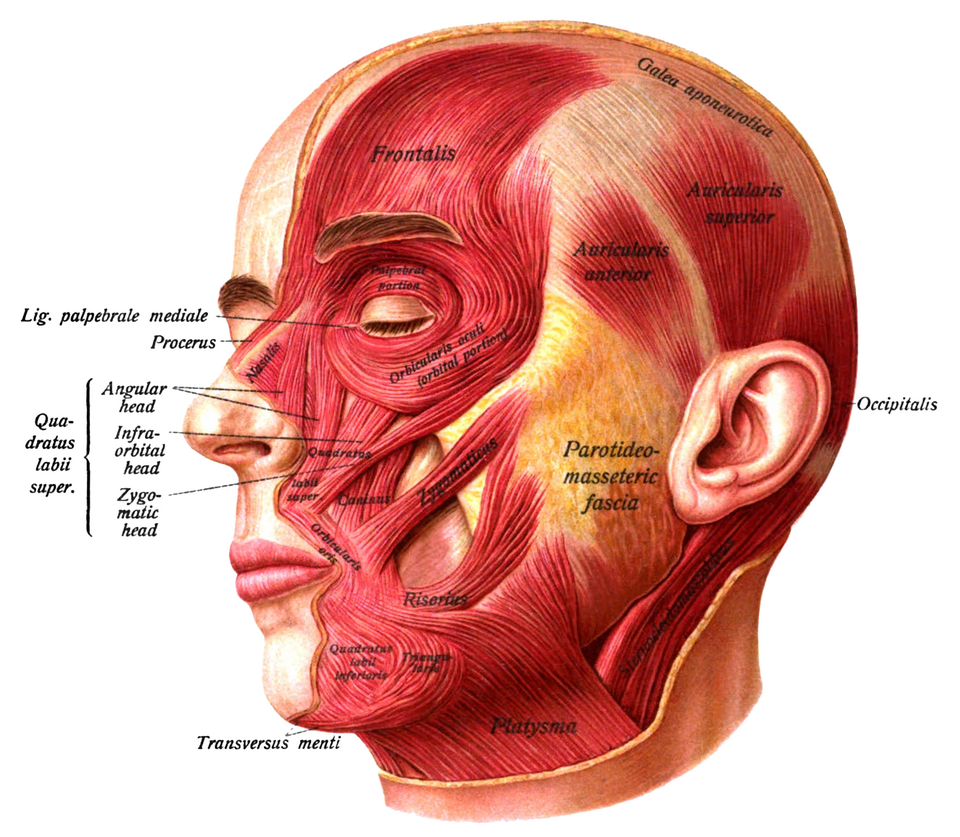
Furthermore, after middle age, the soft tissues of the face itself
tend to shift downwards, affecting the area around the eyes as well.
Therefore, it’s more accurate to understand it as a structural
change rather than simply ‘sagging skin.’
3. When it's okay to leave it vs. When improvement is needed
Not all eyelid ptosis requires treatment.
If the skin is only slightly stretched, many people can live without significant
problems in their daily lives.
However, if any of the following apply,
a more proactive approach may be necessary:
When you strain your forehead to open your eyes
When your vision is obstructed, causing discomfort
When your eyes always look tired or sleepy
When the distance between your eyes and eyebrows gradually shortens
These conditions are not just cosmetic issues but can also lead to functional discomfort.
4. Eyelid ptosis improvement methods: How do they differ?
The method varies depending on the cause of eyelid ptosis.
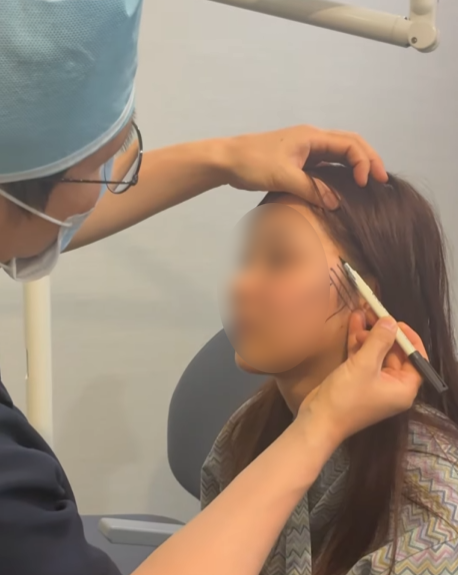
If the main problem is the skin of the upper eyelid, upper blepharoplasty
may be helpful.
If the eyebrow itself has descended, an eyebrow lift or
forehead lift may be more suitable.
For example, a method that lifts the skin from below the eyebrow
has the characteristic of naturally lightening the eyes
without significantly altering the double eyelid line.
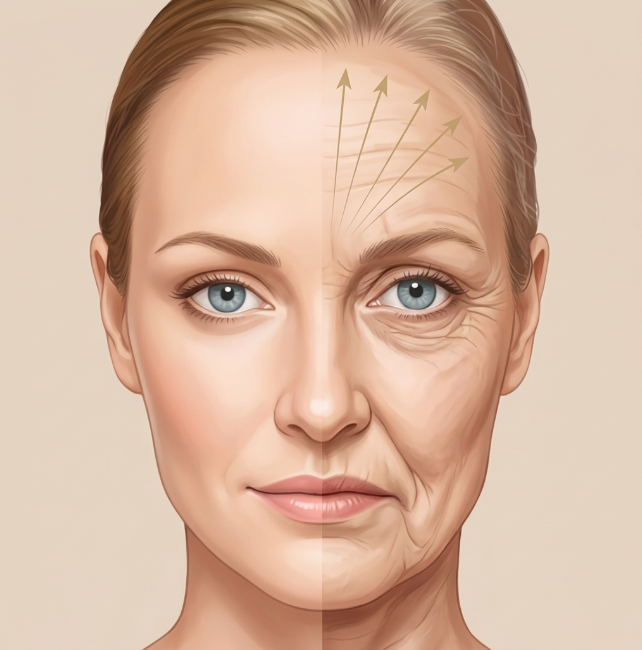
Also, if both the forehead and eyebrows have descended, a method that improves the entire upper
area together can lead to more natural results.
The important point is not ‘which surgery is better,’ but to accurately identify
the cause of the current condition.
This is because the approach can be completely different even for the same eyelid ptosis.
-Operating Hours-
Weekdays 9:00 ~ 18:00 Saturdays 9:00 ~ 16:00 Holidays / Sundays Regular closure |
-Contact Us-
Faceplus Plastic Surgery Clinic | ||
Consultation Phone: 02-541-8500 Inquiries: KakaoTalk Inquiry |
-Directions-
Eyelid Ptosis in Your 50s
Frequently Asked Questions
Is all eyelid ptosis in your 50s a sign of aging?
No. Eyelid ptosis in your 50s cannot be simply considered a natural aging phenomenon; in reality, it often leads to daily inconveniences such as obstructed vision. It is a complex change caused by the entire structure around the eyes descending.
What are the main causes of drooping eyelids in your 50s?
Eyelid ptosis involves not only skin sagging but also changes in eyebrow position, the strength of the muscles that open the eyes, and fat location. Specifically, if the strength to open the eyes weakens, the forehead muscles are used, causing the eyebrows to descend and the eyelids to become more covered.
When is improvement for eyelid ptosis necessary?
If you strain your forehead to open your eyes, feel discomfort due to obstructed vision, always have a tired or sleepy appearance, or notice the distance between your eyes and eyebrows shortening, you may consider improvement.
What are the methods for improving eyelid ptosis?
The method varies depending on the cause of eyelid ptosis. If the main problem is the skin of the upper eyelid, upper blepharoplasty may be helpful. If the eyebrow itself has descended, an eyebrow lift or forehead lift may be more suitable. There is also a method that lifts the skin from below the eyebrow.
Does eyelid ptosis only cause cosmetic problems?
No. Eyelid ptosis is not just a cosmetic issue; it can also lead to functional discomfort by obstructing vision or causing excessive use of the forehead muscles. Therefore, functional improvement is also important.