2026-09-03
Why Do Eyelids Sag in Your 40s? Understanding the Causes and Improvement Methods
Learn why eyelids sag in your 40s, from reduced skin elasticity and muscle changes to forehead overuse, and discover effective improvement methods.
※ This article is intended to provide medical information.
It is not subject to review under Article 56, Paragraph 2 and Article 57 of the Medical Act,
and is not an advertisement unrelated to the content of the review.
What are the improvement methods for sagging eyelids in your 40s?
Hello,
I am Dr. Park Jung-geun,
Director of Face Plus Plastic Surgery Clinic.
One of the most common changes that patients in their 40s discuss in the consultation room is the impression around their eyes.
Many often hear that their once clear and bright eyes now look heavy and tired.
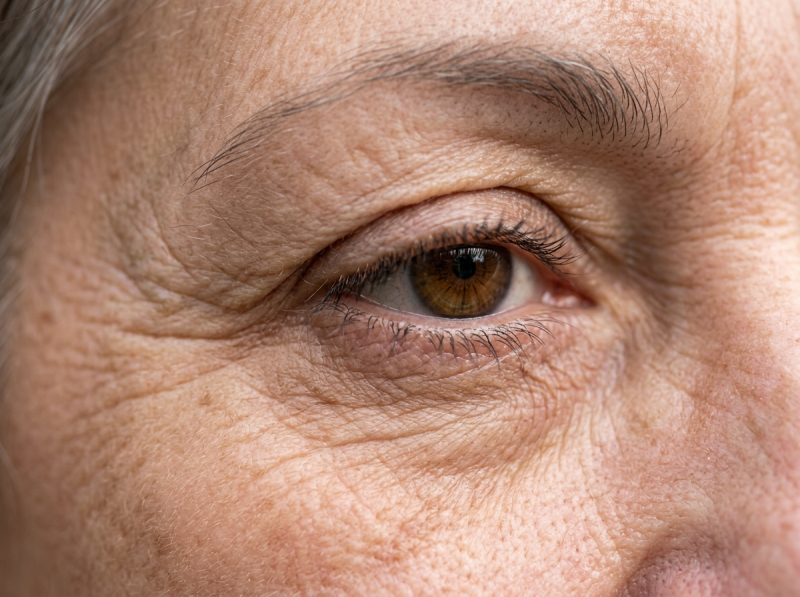
It is also common to hear concerns about feeling a constricted field of vision when looking in the mirror, or that makeup no longer creates the clear impression it once did.
The changes that appear at this age cannot be explained by simple skin issues alone.
Facial tissues lose elasticity over time and gradually shift downwards due to gravity.
The area around the eyes, in particular, has thin skin and frequent muscle movement, making it relatively quick to show the effects of aging.
Common causes of sagging eyelids
The most common reason is reduced skin elasticity.

As collagen and elastic fibers decrease over time, the skin can no longer maintain its firmness and gradually sags.
Due to the thin tissue structure, even small changes can appear significant externally.
The second cause is changes in muscle strength.
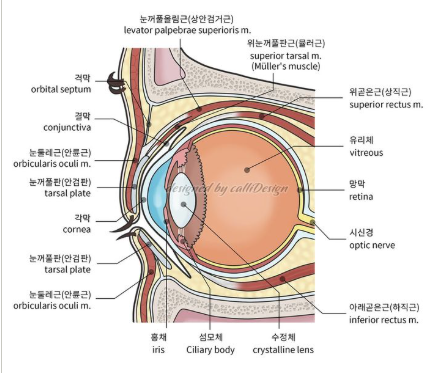
If the strength of the muscles that open the eyes weakens, or if the balance of surrounding muscles changes, the upper skin can descend, creating a heavy-looking impression.
In such cases, structural changes often accompany simple skin laxity.
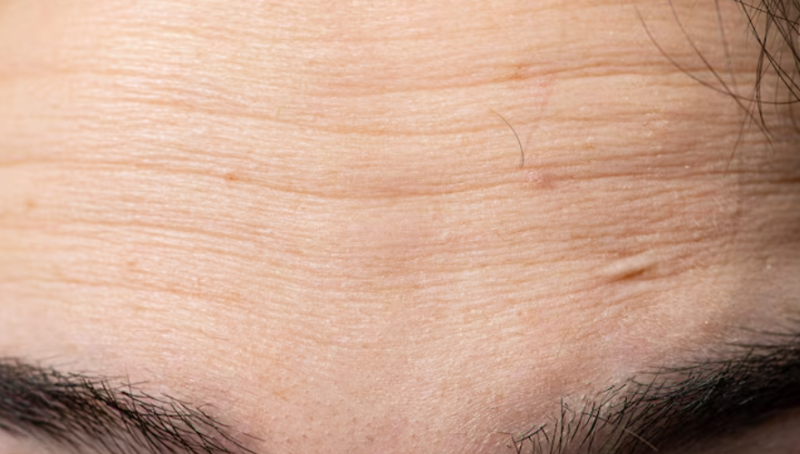
Another cause is overuse of the forehead muscles.
When the upper skin sags, the forehead muscles are repeatedly used to secure vision.
If this process is repeated, forehead wrinkles deepen, and the overall impression can look tired.
Impact of changes around the eyes on facial impression
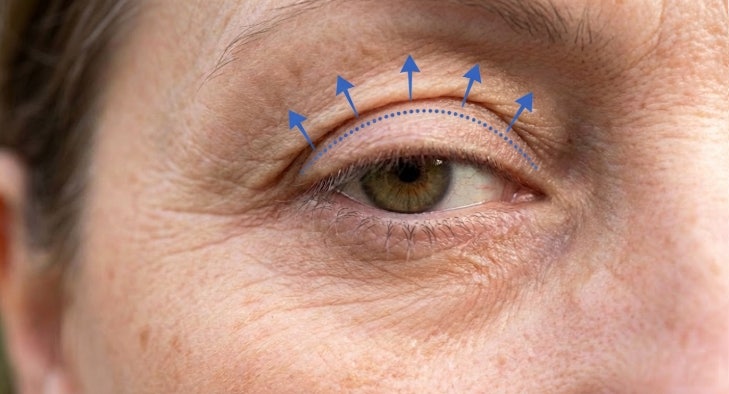
When the upper skin sags, it does not merely create aesthetic problems.
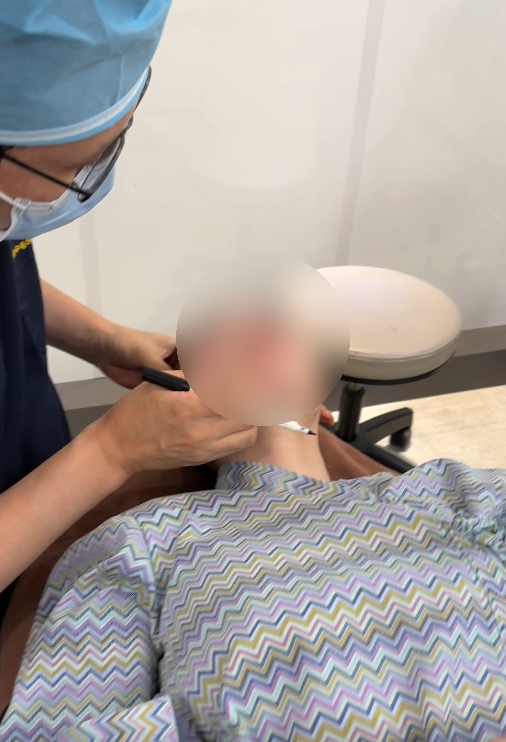
You might feel your vision is obstructed or develop a habit of straining to open your eyes, which can alter the way your facial muscles are used.
If this condition persists, deep wrinkles may form on the forehead, or the eyebrow position may gradually lower.
Specifically, if the distance between the eyes and eyebrows shortens, it can emphasize a 'constricted' impression, making one look more tired than their actual age.
Furthermore, changes around the eyes affect the overall facial impression,
so even small changes can be significantly felt.
Since people's gaze is first drawn to the eyes,
changes in this area become a crucial factor that determines the overall impression.
Criteria to consider when choosing an improvement method
These changes require different approaches depending on their cause.

If skin laxity is the primary issue, methods focusing on skin excision might be considered.
If changes in eyebrow position are the cause, a different approach may be necessary.
Moreover, if changes in muscle function are involved, it is important to consider functional aspects along with purely aesthetic approaches.
This is because even if the external appearance seems similar, the appropriate method changes if the underlying cause is different.
The important point is to view the entire facial structure together.
By comprehensively checking various factors such as upper skin, eyebrow position, and forehead muscle usage, you can expect natural and balanced results.
Changes around the eyes often appear connected to the overall facial structure,
so it is necessary to consider the overall balance rather than judging based on just one area.
-Operating Hours-
Weekdays 9:00 ~ 18:00 Saturdays 9:00 ~ 16:00 Public Holidays / Sundays Regular closure |
-Contact Us-
Sagging eyelids in your 40s Face Plus Plastic Surgery Clinic | ||
Consultation Phone: 02-541-8500 Inquiries: KakaoTalk Inquiry |
-Directions-
Sagging eyelids in your 40s
Frequently Asked Questions
What are the main causes of sagging eyelids in your 40s?
There are three main causes. First, reduced skin elasticity due to decreased collagen and elastic fibers, leading to sagging skin. Second, weakening of the muscles that open the eyes or changes in the balance of surrounding muscles. Third, excessive use of forehead muscles to secure vision, causing the eyelids to droop.
Do sagging eyelids affect vision?
Yes, they can affect vision. Sagging eyelids can create a feeling of obstructed vision, and a habit of overusing forehead muscles to open the eyes may develop. This can lead to deeper forehead wrinkles or a lowered eyebrow position in the long term.
What should be considered when improving sagging eyelids?
When choosing an improvement method, it is crucial to accurately identify the cause and consider the entire facial structure. The appropriate approach varies depending on whether skin laxity is the main cause, if eyebrow position changes are the reason, or if changes in muscle function are involved.
Are forehead wrinkles and sagging eyelids related?
Yes, they are related. If sagging eyelids obstruct vision, forehead muscles are repeatedly used to compensate. This repeated action can deepen forehead wrinkles and make the overall impression look tired.
Do sagging eyelids only cause cosmetic problems?
No, they can cause functional problems in addition to cosmetic ones. Discomfort from obstructed vision or the habit of straining to open the eyes can develop, which can lead to changes in how facial muscles are used.