2026-09-03
Lower Blepharoplasty vs. Under-Eye Fat Repositioning: When Does the Choice Differ?
This article explains the differences between lower blepharoplasty and under-eye fat repositioning, detailing when each procedure is suitable based on skin laxity, fat protrusion, and overall under-eye condition.
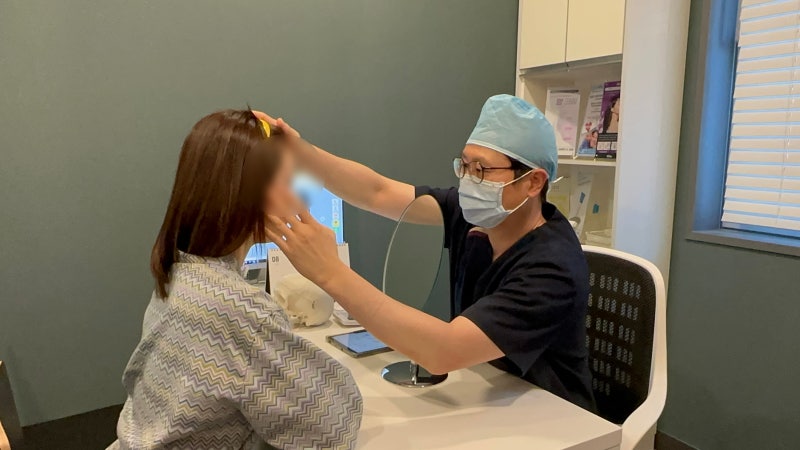
※ This article is intended to provide medical information.
It is not subject to review under Article 56, Paragraph 2 and Article 57 of the Medical Act, and we inform you that it is not an advertisement unrelated to the content of the review.
Lower Blepharoplasty vs. Under-Eye Fat Repositioning: When Does the Choice Differ?
Hello,
I am Dr. Park Jeong-geun,
Director of Faceplus Plastic Surgery Clinic.

Many people consult us due to changes that make their under-eyes appear puffy or shadowed.
In this process, many also wonder, ‘Is lower blepharoplasty suitable?’ or ‘Can under-eye fat repositioning resolve this?’

While these two procedures may seem similar,
the approach can actually differ depending on the skin condition, fat location,
and the degree of under-eye sagging.
Today, I will summarize the differences between lower blepharoplasty and under-eye fat repositioning.
Table of Contents | ||
1. When to consider under-eye fat repositioning 2. What is the difference with lower blepharoplasty? 3. Why skin laxity is important 4. Why it's difficult to say one is unconditionally better |
1. When to consider under-eye fat repositioning
Under-eye fat repositioning is often described as a procedure that rearranges protruding fat and repositions it into sunken areas.
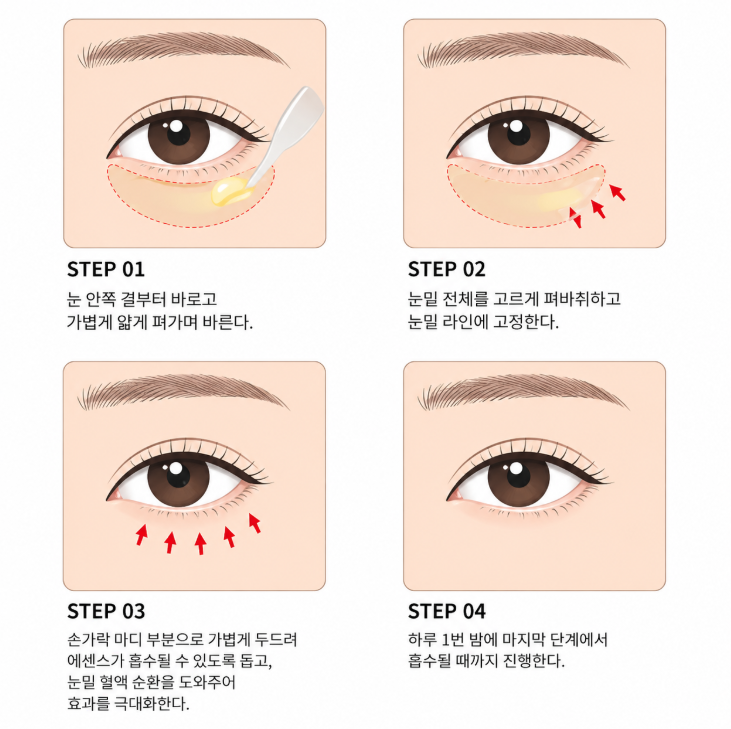
It is particularly discussed when skin laxity is not severe, but under-eye fat protrusion or dark circle shadows are a concern.
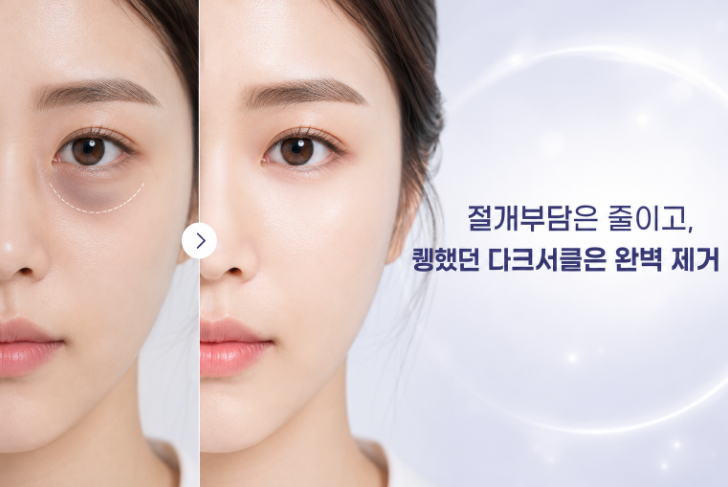
Sometimes, it is described as a way to relatively reduce the burden of skin incision.
However, it is necessary to separately confirm whether it is solely a fat issue or if reduced skin elasticity is also present.
2. What is the difference with lower blepharoplasty?
Lower blepharoplasty is often described as a procedure that considers not only under-eye fat but also the sagging skin.
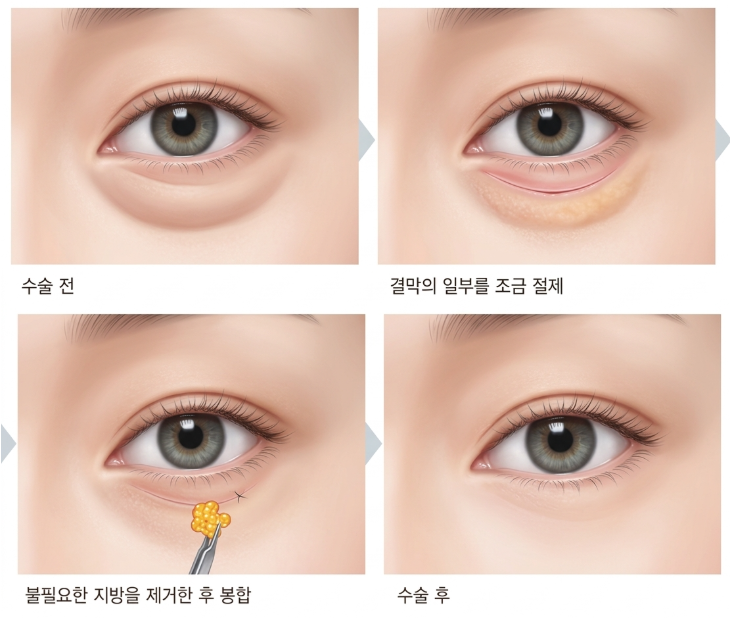
That is, it is discussed not just for simple fat movement, but when skin laxity, fine wrinkles, or under-eye sagging are also present.
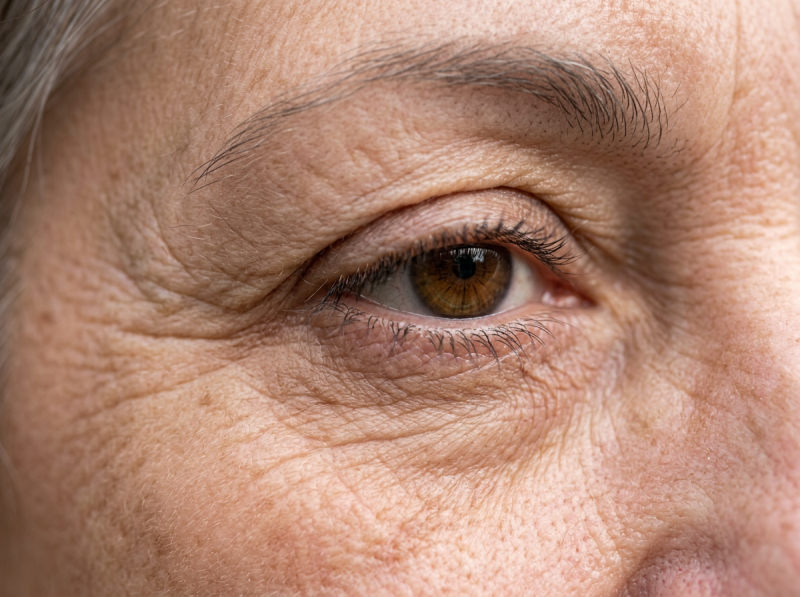
Especially in middle-aged and older individuals, reduced skin elasticity often accompanies these issues, leading to consultations for lower blepharoplasty.
However, since it often involves skin incision, it is important to confirm the current condition.
3. Why skin laxity is important
During actual consultations, we don't just look at under-eye fat; we also check skin elasticity and the degree of sagging.
For example, if there isn't much fat but the skin appears saggy, simple repositioning alone may have limitations.
Conversely, if skin laxity is not severe but fat protrusion is prominent, the approach may differ.
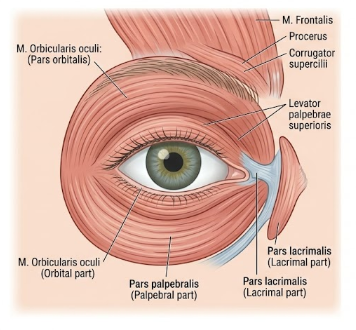
In other words, rather than simply dividing it into ‘always lower blepharoplasty’ or ‘always fat repositioning,’ it is important to assess the overall under-eye condition.
4. Why it's difficult to say one is unconditionally better
Sometimes on the internet,
a specific surgery is described as unconditionally better.
However, in reality, the approach can vary depending on age, skin elasticity, degree of fat protrusion,
and whether there is hollowing.
Also, even within the same age group,
the under-eye condition can vary greatly,
so the appropriate method may also differ.

Although lower blepharoplasty and under-eye fat repositioning may seem similar, their objectives differ.
Therefore, it is crucial to thoroughly assess the current under-eye condition before deciding on the consultation direction.
-Operating Hours-
Weekdays 9:00 ~ 18:00 Saturdays 9:00 ~ 16:00 Public Holidays / Sundays Regular closure |
-Contact Us-
Faceplus Plastic Surgery Clinic | ||
Consultation Phone: 02-541-8500 Inquiries: KakaoTalk Inquiry |
-Directions-
Lower Blepharoplasty vs. Under-Eye Fat Repositioning
Frequently Asked Questions
When should under-eye fat repositioning be considered?
Under-eye fat repositioning is considered when skin laxity is not severe, but under-eye fat protrusion or dark circle shadows are a concern. It involves rearranging protruding fat and repositioning it into sunken areas.
When is lower blepharoplasty suitable?
Lower blepharoplasty is suitable when under-eye fat is accompanied by sagging skin, fine wrinkles, and general under-eye laxity. It is often considered by middle-aged and older individuals who experience reduced skin elasticity.
What is the biggest difference between the two procedures?
The biggest difference is the presence of skin laxity. Under-eye fat repositioning primarily focuses on fat issues, while lower blepharoplasty addresses both fat and sagging skin for improvement.
Why is skin laxity important?
Skin laxity is crucial in determining the surgical method. If the skin appears saggy even with minimal fat, simple repositioning may be insufficient. Conversely, if skin laxity is not severe, a different approach may be taken.
Which procedure, lower blepharoplasty or under-eye fat repositioning, is better?
It is difficult to say that one specific procedure is unconditionally better. The most suitable method varies depending on individual factors such as age, skin elasticity, degree of fat protrusion, and presence of hollowing. Therefore, it is important to make a decision after a thorough consultation.