2026-09-03
Nasolabial Fold Treatment: Botox vs. Filler vs. Thread Lift vs. RF Lifting – A Guide to Choosing
Confused about treating nasolabial folds? This guide explains the differences between Botox, fillers, thread lifts, and RF lifting, helping you choose based on the root cause of your wrinkles.
※ This article is intended to provide medical information.
It is not subject to deliberation under Articles 56(2) and 57 of the Medical Service Act,
and we inform you that it is not an advertisement unrelated to the deliberation content.
Hello,
I am Dr. Park Jung-geun,
Director of Faceplus Plastic Surgery Clinic.

When I see people concerned about nasolabial folds,
there's a commonality.
It's that they ‘don't know what to do’.
With options like Botox, fillers, thread lifts, and radiofrequency (RF) lifting,
there are many choices,
but since each works in a completely different way,
simply comparing them often leads to unsatisfactory results.

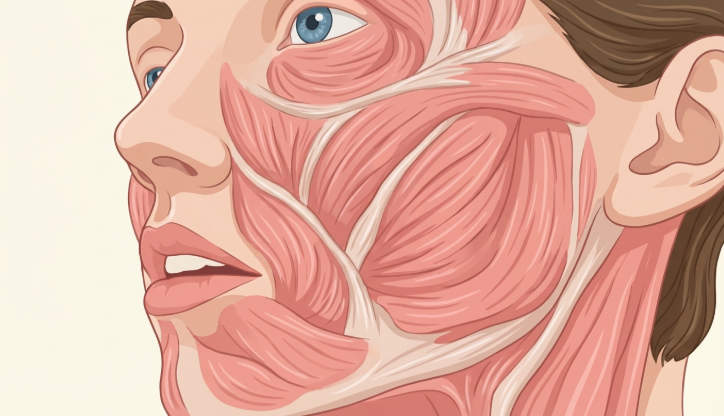
Nasolabial folds are not just ‘wrinkles’;
they are the result of a complex combination of
cheek sagging, volume loss, and tissue displacement.
Therefore, it is most important to first
identify the underlying cause.
Table of Contents | ||
1. Botox: Why its effects are limited 2. Filler: Suitable for sunken nasolabial folds 3. Thread Lift: Key solution for sagging nasolabial folds 4. RF Lifting: A meaningful choice in the early stages |
1. Botox: Why its effects are limited
Botox is a procedure that reduces muscle movement.
While effective for wrinkles caused by ‘facial expression muscles’ like those on the forehead or glabella,
nasolabial folds are a structural issue caused by the cheek tissue
descending, not by muscle activity.
Therefore, directly improving nasolabial folds with Botox is
limited,
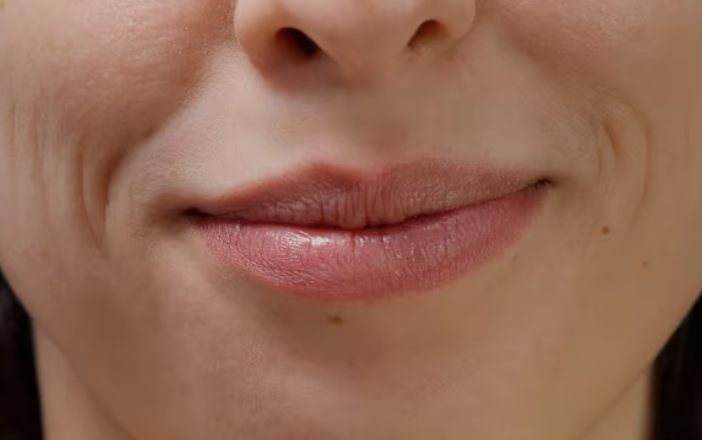
and it is often used only to control auxiliary muscles around the mouth.
In other words, if the sole purpose is to improve nasolabial folds,
Botox is a lower-priority treatment.
2. Filler: Suitable for sunken nasolabial folds
Fillers work by filling in sunken areas.
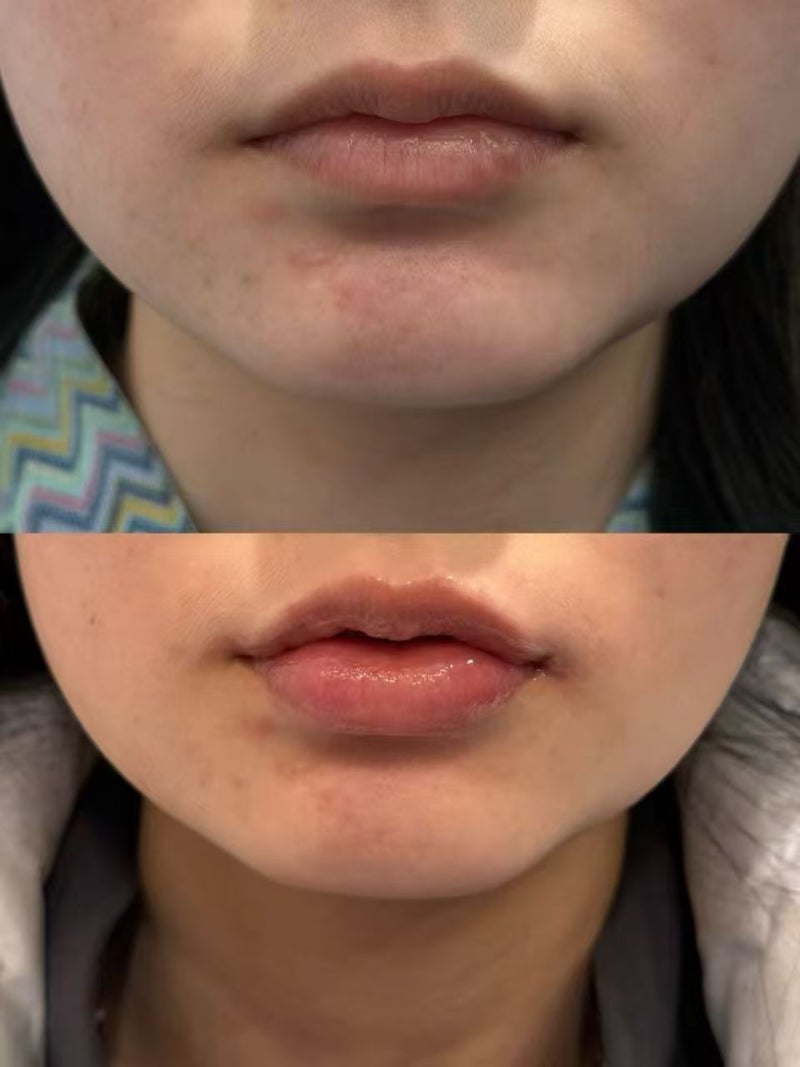
If there is insufficient mid-face volume or
the nasolabial lines are deeply etched, relatively
direct improvement is possible.
Especially when the mid-face is sunken, emphasizing the nasolabial folds,
replenishing volume can alleviate the wrinkles.

However, if sagging is also present,
simply filling will not solve the problem,
and excessive filler can make the face look swollen or
create a heavy, sunken impression, so caution is
needed.
3. Thread Lift: Key solution for sagging nasolabial folds
The biggest cause of nasolabial folds is
‘sagging’, where the cheek tissue moves downwards.
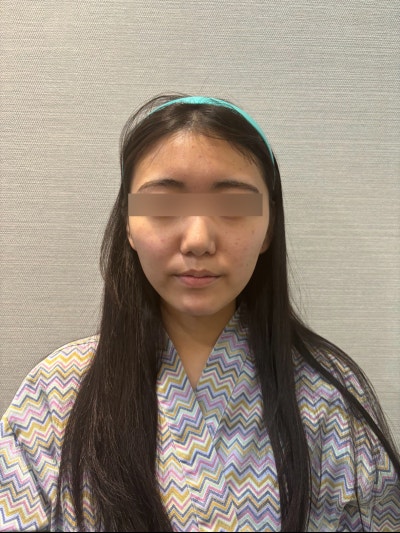
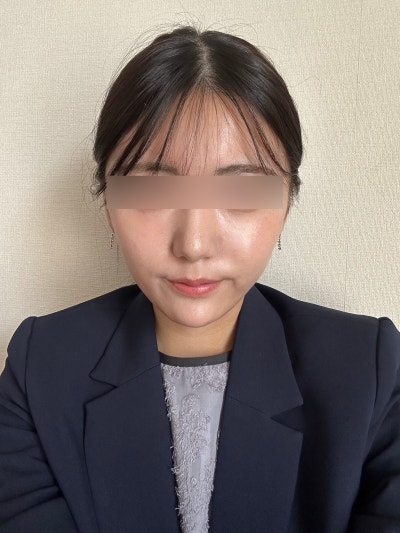
In this case, an approach that lifts upwards is necessary.
Thread lifting involves moving the sagging tissue upwards,
based on the SMAS layer, and the results vary depending on the fixation points and direction design.
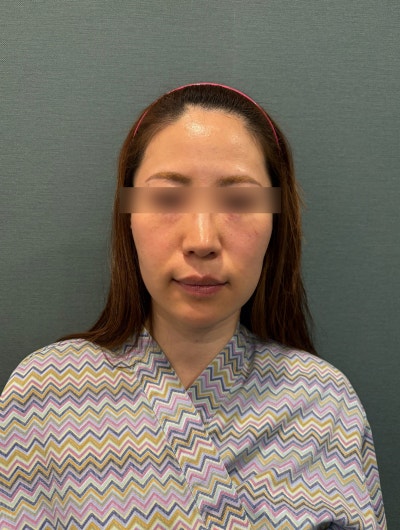
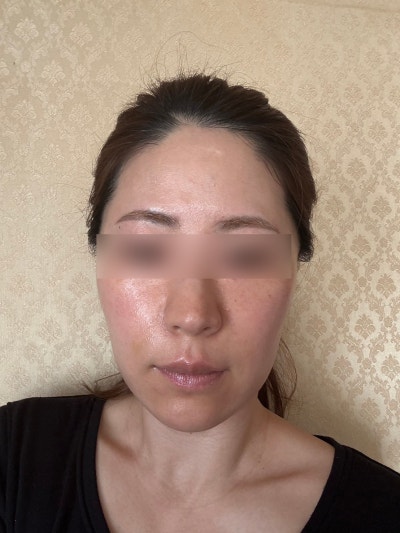
It's not just about pulling;
it's closer to the concept of repositioning tissue, so
it often improves not only nasolabial folds but also cheek sagging and jawline blurring.
In other words, if sagging is accompanied by nasolabial folds,
it is the most direct solution.
4. RF Lifting: A meaningful choice in the early stages
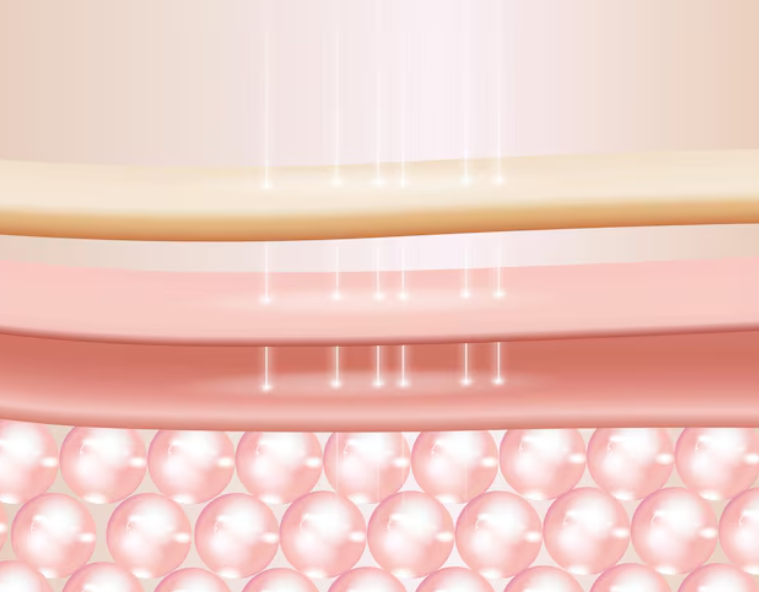
RF lifting is a device that improves skin elasticity.

It works by inducing collagen regeneration,
making the skin firmer.
For early nasolabial folds or
when sagging is not yet severe,
it is meaningful for maintenance and prevention.
However, if the tissue has already descended,
it cannot physically change its position, so
it's difficult to expect significant changes with this treatment alone.
Nasolabial fold treatment should start by asking ‘why they appeared’,
not ‘what to do’.
|
Especially as facial aging progresses with tissue moving downwards,
leading to a widening of the lower face,
position correction is much more often needed
than simple filling.
Ultimately, what's important is not the type of procedure,
but an approach tailored to the individual's facial condition.
-Operating Hours-
Weekdays 9:00 ~ 18:00 Saturdays 9:00 ~ 16:00 Public Holidays / Sundays Regular Closure |
-Contact Us-
Faceplus Plastic Surgery Clinic | ||
Consultation Phone: 02-541-8500 Inquiries: KakaoTalk Inquiry |
-Directions-
Botox for Nasolabial Folds
Frequently Asked Questions
Is the effect of Botox on nasolabial folds limited?
Yes, Botox has limited effectiveness for improving nasolabial folds. Botox is a procedure that reduces muscle movement, but nasolabial folds are a structural issue caused by the descent of cheek tissue, not a muscle problem. It is often used only for controlling auxiliary muscles around the mouth.
In what cases are nasolabial fold fillers effective?
Fillers are suitable for sunken nasolabial folds. If there is insufficient mid-face volume or the nasolabial lines are deeply etched, filling the sunken areas can provide a direct improvement in alleviating wrinkles.
Which treatment is most effective for sagging nasolabial folds?
For nasolabial folds accompanied by sagging, a thread lift is the most direct solution. A thread lift repositions the sagging cheek tissue by moving it upwards, which can improve not only nasolabial folds but also cheek sagging and a blurred jawline.
How does RF lifting work on nasolabial folds?
RF lifting improves skin elasticity by inducing collagen regeneration. It is meaningful for maintenance and prevention in cases of early nasolabial folds or when sagging is not yet severe, but if the tissue has already descended, it is difficult to expect significant changes with this treatment alone.
What is the most important criterion when choosing a nasolabial fold treatment?
The most important criterion when choosing a nasolabial fold treatment is to understand ‘why the nasolabial folds appeared’. The appropriate treatment differs depending on whether the cause is primarily volume loss, sagging, or early loss of elasticity.