2026-09-03
How Many Threads for a Natural Nasolabial Fold Thread Lift? A Gangnam Plastic Surgeon Explains the Difference in Design
The number of threads for a nasolabial fold thread lift isn't fixed. It depends on individual factors like overall facial elasticity, volume displacement, skin thickness, and degree of sagging. A personalized approach is key for natural results.
※ This article was written for the purpose of providing medical information.
It is not subject to review under Article 56, Paragraph 2 and Article 57 of the Medical Service Act,
and is not an advertisement unrelated to the content of the review.
Hello,
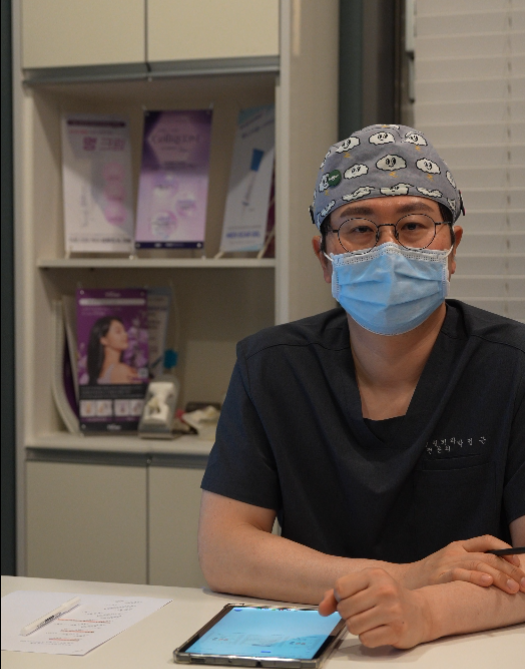
I am Dr. Park Jeong-geun, Director of Faceplus Plastic Surgery Clinic,
specializing in nasolabial fold thread lifts.
One of the most frequent questions I hear in the consultation room is,
‘How many threads should I get for a natural nasolabial fold thread lift?’
If you search online, you'll find many discussions about what number of threads is appropriate,
or that a certain number is excessive.
However, when I see a face directly, it's rarely that simple
to give a straightforward answer.
Nasolabial folds are not simply a matter of a single line deepening;
they are changes that appear as a result of the overall facial volume shifting
and a decrease in elasticity.
Therefore, rather than giving a direct answer, I always try to calmly
explain what approach is needed in what situation.
Facial Conditions to Consider Before the Number of Threads
For example, there are cases where overall facial elasticity is still relatively
maintained,
but nasolabial folds become prominent only when smiling.
In such cases, a small number of thread lifts can often sufficiently
refine the impression.
If the skin is thin and sagging is not severe, there is no reason to take an
overly aggressive approach.
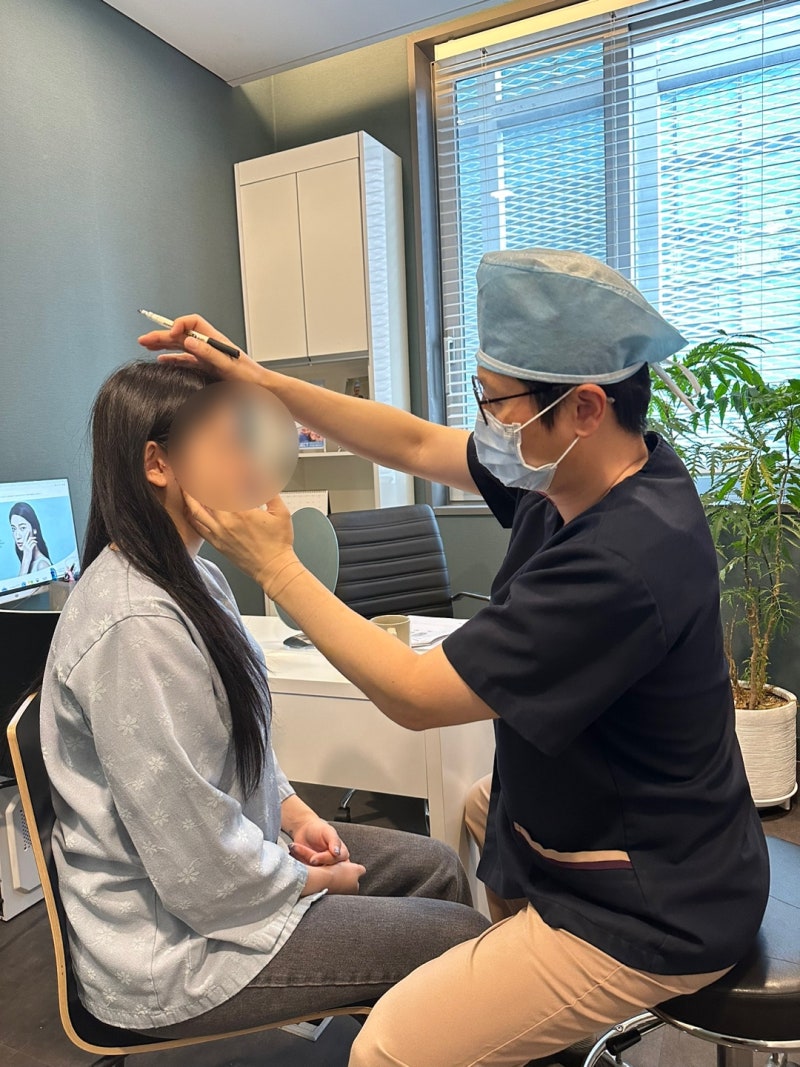
However, the story changes if the cheek fat has shifted downwards,
making the folds appear deeper, or if there is a noticeable heaviness
around the mouth.
In such situations, simply adding a few threads will not yield
satisfactory results.
This is because if the facial structure and direction of forces are not considered together,
the outcome can look unnatural.
Another example is individuals who have previously undergone other procedures.
Even if the wrinkles appear similar on the surface,
the skin condition or tissue responsiveness can be entirely different.
In these cases, approaching with the same method can lead to significant
differences in results.
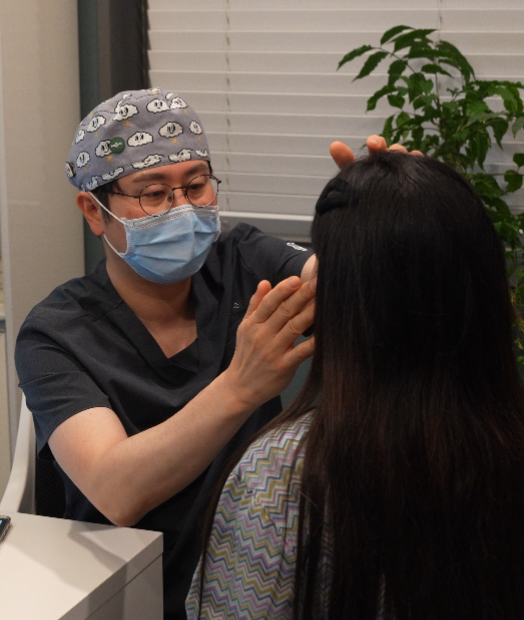
Therefore, during the consultation, I always check the patient's past history and current
condition together, and first determine which method is appropriate.
What's more important than the number of threads is the current condition
of the face.
The Reason for Not Overdoing It Is Clear
The treatment approach also significantly impacts the results.
In a factory-like environment where a fixed pattern is repeated, it's difficult to meticulously
reflect individual differences.
I emphasize a consistent treatment approach, from the initial consultation to the actual procedure,
and subsequent aftercare.
This is because if decisions change or the direction shifts midway,
the consistency of the results will inevitably be compromised.
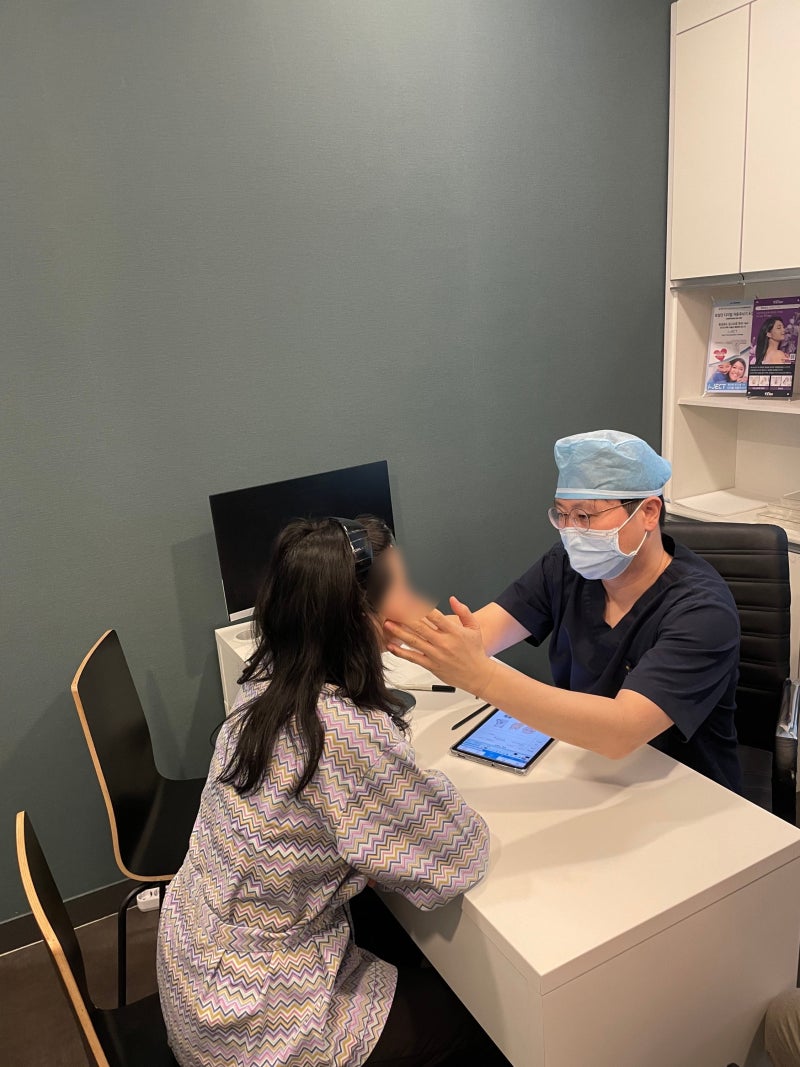
This is also why I do not recommend more than necessary, and only proceed with what is
absolutely required for the current condition.
Naturalness Is Achieved Differently for Each Person
In summary, to naturally improve nasolabial folds,
how one interprets the face is far more important than a specific number of threads.
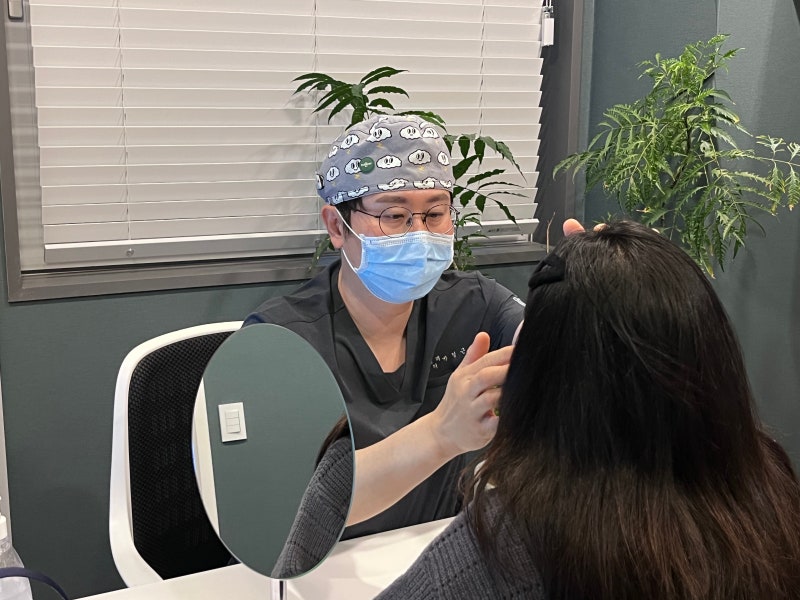
Some individuals may experience sufficient change with a relatively simple approach,
while others may require a more three-dimensional design.
The same applies to thread lifts.
The key is not to do it strongly or excessively, but to find the method that suits
the current face.
I hope this article serves as an opportunity for you to reflect on your own situation,
rather than vaguely searching for numbers.
Thank you for reading until the end.
-Operating Hours-
Weekdays 9:00 ~ 18:00 Saturdays 9:00 ~ 16:00 Holidays / Sundays Regular Closure |
-Contact Us-
Faceplus Plastic Surgery Clinic | ||
Consultation Phone: 02-541-8500 Inquiries: KakaoTalk Inquiry |
-Directions-
Frequently Asked Questions
How many threads are appropriate for a nasolabial fold thread lift?
The appropriate number of threads for a nasolabial fold thread lift is not simply fixed. It must be determined by comprehensively considering various factors such as the individual's overall facial elasticity, volume displacement, skin thickness, and degree of sagging.
What should be considered for natural results during a nasolabial fold thread lift?
For natural results, it is crucial to comprehensively consider factors such as the maintenance of overall facial elasticity, the extent of cheek fat displacement, the heaviness around the mouth, skin condition, and tissue responsiveness, to create a personalized design.
Is a thread lift necessary even if nasolabial folds are only prominent when smiling?
Yes, it may be necessary. If overall facial elasticity is relatively maintained and nasolabial folds are only prominent when smiling, a small number of thread lifts can sufficiently refine the facial impression.
Are there considerations for a thread lift if I have had other procedures before?
Yes, there are considerations. A history of previous procedures can affect skin condition and tissue responsiveness, so it is important to check past history along with the current state during the consultation to determine an appropriate method.
How does a factory-style treatment approach affect thread lift results?
A factory-style treatment approach, which repeats a fixed pattern, makes it difficult to meticulously reflect individual differences. This can compromise the consistency of results, so consistent, personalized treatment from the initial consultation to the procedure and aftercare is crucial.
How is naturalness achieved after a nasolabial fold thread lift?
Naturalness is achieved differently for each person. The key is not to do it strongly or excessively, but to find the method that suits the current face, and it varies depending on how an individual's face is interpreted and designed.