2026-09-03
Nasolabial Fold Botox: Understand the Difference from Fillers First
Learn the differences between nasolabial fold Botox and fillers, their suitable applications, and what to consider before treatment to achieve the best results.
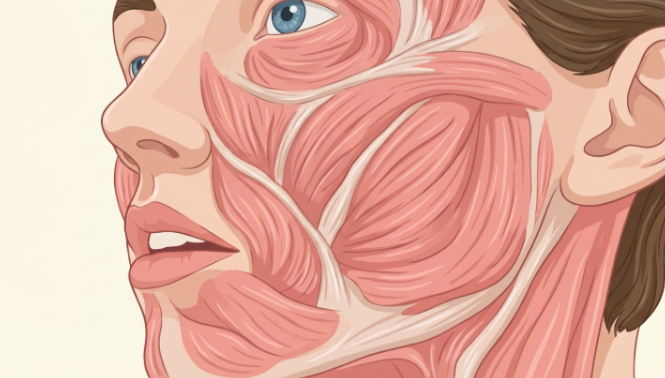
※ This article is intended to provide medical information.
It is not subject to deliberation under Article 56, Paragraph 2 and Article 57 of the Medical Service Act,
and we inform you that it is not an advertisement unrelated to the content of deliberation.
Hello,
I am Dr. Park Jeong-geun,
Director of Faceplus Plastic Surgery Clinic.

One of the first noticeable changes as we age
is the appearance of nasolabial folds.
Many people look into nasolabial fold Botox for this reason,
but when searching for information, it's common to be confused about the difference from fillers.
In reality, the cause of nasolabial folds is not singular,
so it's difficult to say that nasolabial fold Botox is always suitable,
or conversely, that fillers are always the answer.

Today, we will explore the differences between nasolabial fold Botox and fillers,
when each is considered, and what to check before the procedure.
Table of Contents | ||
1. Why do nasolabial folds appear? 2. Differences between nasolabial fold Botox and fillers 3. When is each suitable? 4. What to check before the procedure |
1. Why do nasolabial folds appear?
Nasolabial folds are not simply wrinkles on the skin;
they often appear due to a combination of various factors.
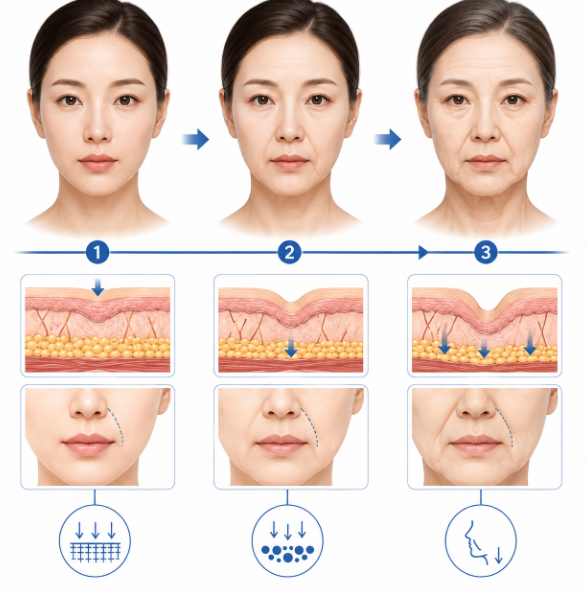
Typically, decreased skin elasticity or
the downward migration of cheek fat can create
deep lines around the mouth.
Additionally, habits of repeatedly using facial muscles,
changes in facial expressions, and volume loss due to aging
can also make nasolabial folds more prominent.
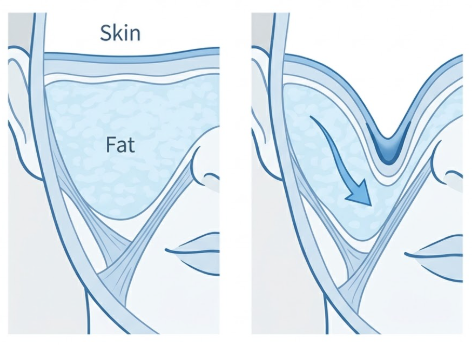
Therefore, the approach may vary depending on whether the cause is
lack of volume, muscle movement, or skin sagging.
2. Differences between nasolabial fold Botox and fillers
Many people consider nasolabial fold Botox and fillers
to be similar procedures, but
they actually work in different ways.
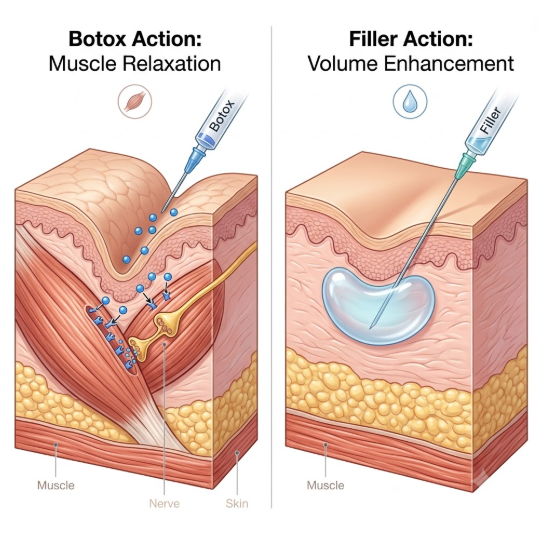
Nasolabial fold Botox
helps control muscle movement.
If wrinkles deepen due to repetitive muscle movements when making expressions,
it can help alleviate muscle use.
On the other hand, fillers work by replenishing volume in sunken areas,
making wrinkles appear relatively shallower.
In other words,
if lack of volume is the cause,
fillers are often considered,
and if repetitive facial habits or
muscle influence is significant,
nasolabial fold Botox may be considered alongside fillers.

While there are cases where both are combined depending on the individual's condition,
this is not universally applicable to everyone.
3. When is each suitable?
Nasolabial fold Botox may be considered
when wrinkles become more pronounced with facial expressions,
or when there is significant movement of the muscles around the mouth.
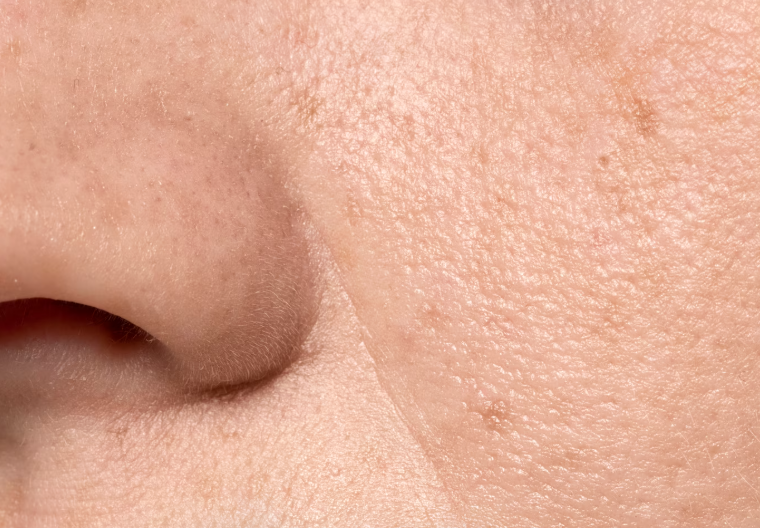
Conversely, if the nasolabial area appears deeply sunken even at rest,
volume loss may be the cause.
Furthermore, in cases of advanced skin sagging,
it may be difficult to achieve the desired changes with Botox or fillers alone.
If a procedure is decided without thoroughly identifying the cause,
the results may differ from expectations.
Therefore, rather than simply thinking,
‘this is good for nasolabial folds’,
it is important to assess the current facial volume, skin thickness, elasticity, and muscle movement.
4. What to check before the procedure
If you are considering nasolabial fold Botox, it is most important to first
determine the cause of your nasolabial folds.
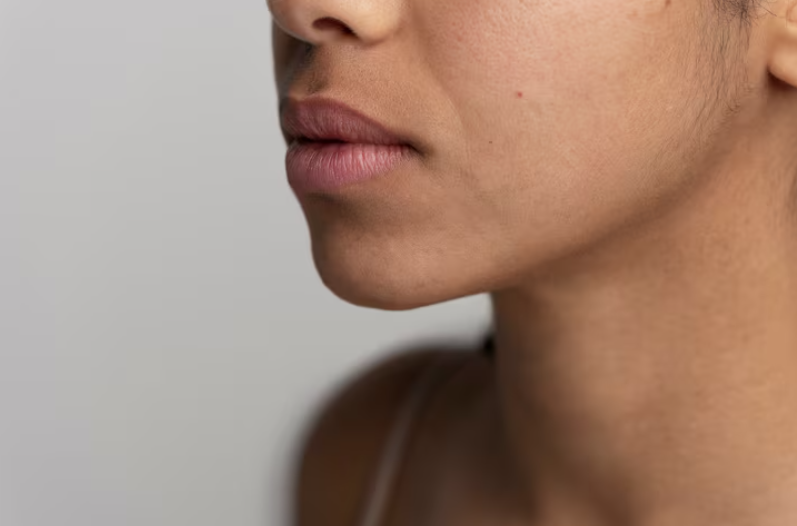
Even for nasolabial folds of the same depth,
the appropriate method may differ depending on whether the cause is
cheek sagging,
volume loss,
or facial muscles.
Additionally, if an excessive dose is administered
or if it's injected into an unsuitable area for the individual,
facial expressions might feel unnatural, so
sufficient consultation and diagnosis should precede the procedure.
After the procedure, the timing of results and duration of effect
may vary depending on individual differences,
and lifestyle habits or skin condition can also
have an impact.
Therefore, rather than choosing one of nasolabial fold Botox or fillers first,
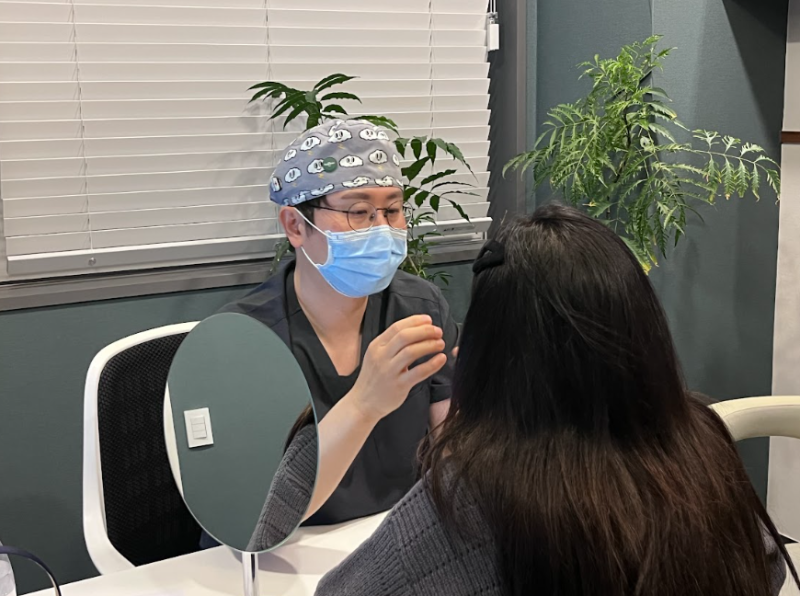
it can be helpful to comprehensively assess the current degree of facial aging and
the cause of the wrinkles, then create a plan suitable for you
to expect more satisfactory results.
-Operating Hours-
Weekdays 9:00 ~ 18:00 Saturdays 9:00 ~ 16:00 Public Holidays / Sundays Regular Holiday |
-Contact Us-
Faceplus Plastic Surgery Clinic | ||
Consultation Phone: 02-541-8500 Inquiries: KakaoTalk Inquiry |
-Directions-
Frequently Asked Questions
Why do nasolabial folds appear?
Nasolabial folds are not just skin wrinkles but result from a combination of factors. These include decreased skin elasticity, migration of cheek fat, repetitive use of facial muscles, and volume loss due to aging.
What is the difference between nasolabial fold Botox and fillers?
Nasolabial fold Botox controls muscle movement to alleviate wrinkles caused by expressions, while fillers replenish volume in sunken areas to make wrinkles appear shallower. The mechanisms of the two procedures are different.
When is nasolabial fold Botox suitable?
Nasolabial fold Botox may be suitable when wrinkles become more pronounced with facial expressions or when there is significant movement of the muscles around the mouth. It helps improve wrinkle depth by alleviating muscle use.
When are nasolabial fold fillers suitable?
Nasolabial fold fillers are considered when the nasolabial area appears deeply sunken even at rest, indicating that volume loss is the primary cause. This method improves wrinkles by filling in the sunken areas with volume.
What is the most important thing to check before a nasolabial fold procedure?
Before a nasolabial fold procedure, it is most important to accurately determine the cause of your nasolabial folds. The appropriate treatment method can vary depending on the cause.
Can Botox and fillers be administered together?
Yes, there are cases where both procedures are combined depending on the individual's condition. However, this is not universally applicable to everyone, so a thorough consultation is necessary to make a decision.