2026-09-07
Chungmuro Dental Clinic: Prioritizing Natural Tooth Preservation in Cavity Treatment
Chungmuro Dental Clinic prioritizes preserving natural teeth in cavity treatment, using advanced diagnostics like 3D-CT to provide tailored care for all stages of tooth decay.
Chungmuro Dental Clinic: Prioritizing Natural Tooth Preservation in Cavity Treatment
Throughout life, people experience various oral diseases, and among them, cavities are the most common. Cavities can affect anyone, regardless of age or gender, and they develop easily if oral hygiene is neglected. Therefore, to preserve and maintain natural teeth for a long time, meticulous observation through regular dental check-ups is essential.

Cavities begin on the outermost surface of the tooth, the enamel. Over time, these cavities progress from the enamel to the dentin beneath it, and then to the tooth's nerve, causing severe pain and sensitivity.
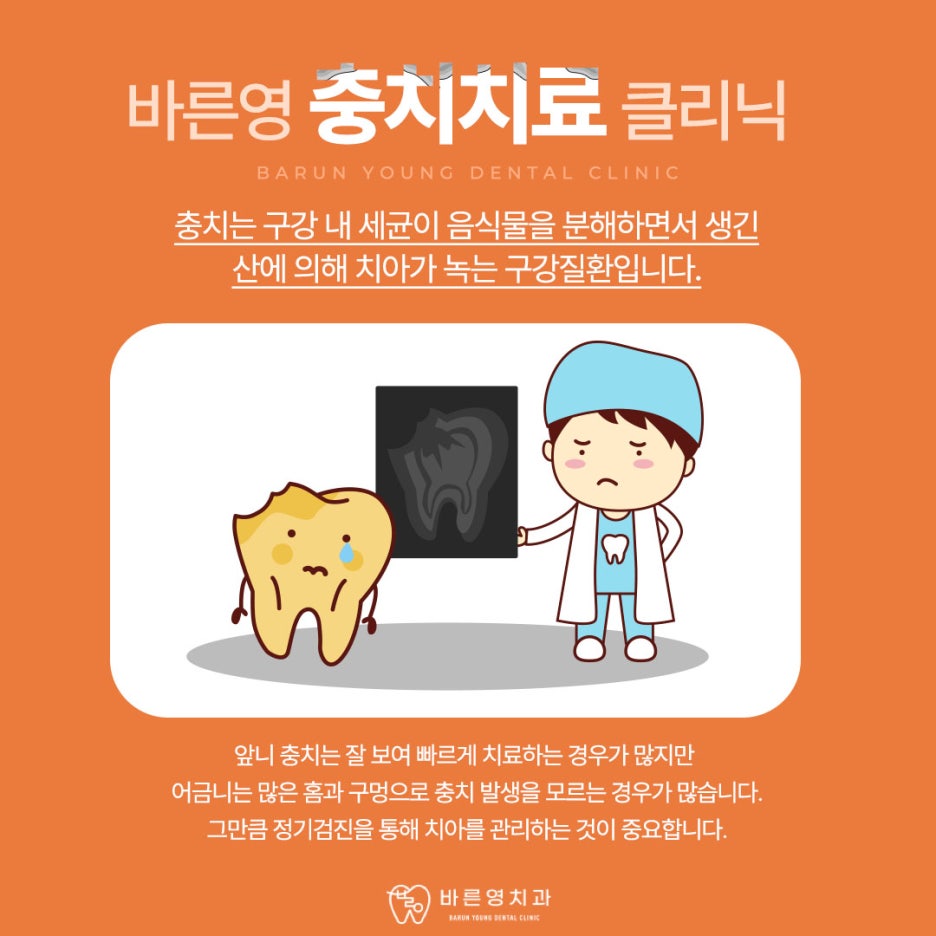
In the early stages of a cavity, there is often no discomfort, so many people are unaware they have one. Most people only realize they have a cavity during a dental check-up or when they visually notice a brown or black area on their tooth. However, because it's an early stage, if you visit Chungmuro Dental Clinic at this point for cavity treatment, it can be simply treated with a resin filling.
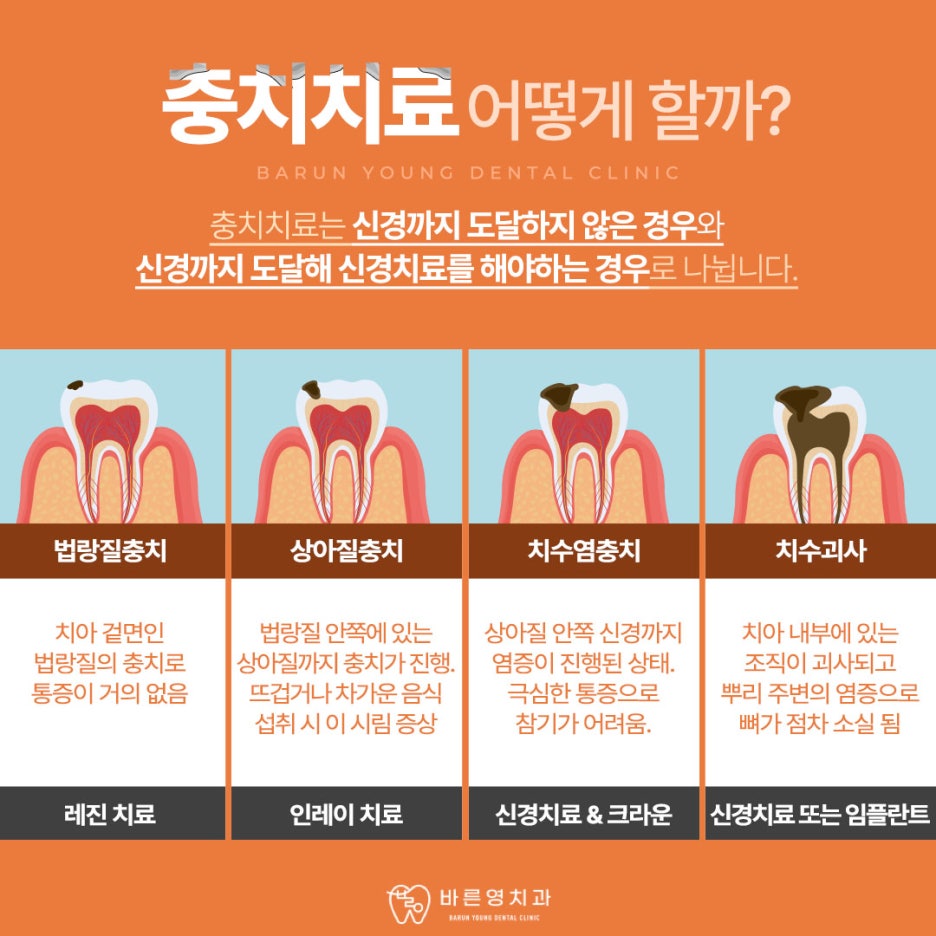
However, if you don't consistently have regular dental check-ups, don't closely examine your teeth, or if the cavity develops on the side or in a crevice of a tooth where it's not easily visible, you might not know about it until time passes and you feel mild pain and discomfort from sensitivity. At this point, you realize it's a cavity and seek out Chungmuro Dental Clinic.
When toothache or sensitivity symptoms are mild, the cavity has already progressed beyond the enamel to the underlying dentin, requiring inlay or onlay treatment.
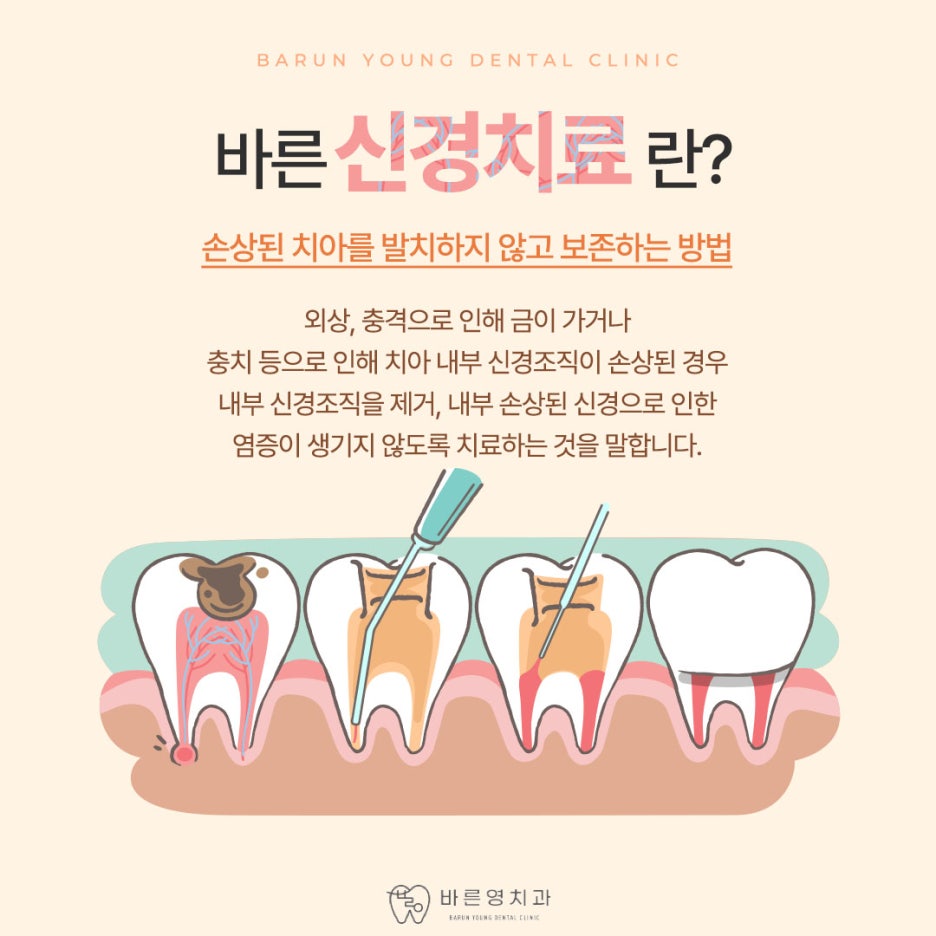
Fortunately, cavities at these two stages can be treated with simple procedures. However, if left untreated at Chungmuro Dental Clinic, the cavity can spread to the tooth root, causing inflammation and severe pain through the tooth nerve.
At this stage, efforts are needed to save any remaining natural tooth by performing root canal treatment, which involves removing the inflammation in the nerves within the tooth and gum, filling it with a restorative material, and then capping it with a crown.
In other words, root canal treatment can be seen as the last step to preserve a natural tooth. If it progresses beyond this stage, the pulp (tooth nerve) begins to necrotize, and the tooth may become loose or fall out, or depending on the patient's condition, Chungmuro Dental Clinic may recommend extraction first.
Cavities are an oral disease where earlier treatment leads to more favorable outcomes in terms of cost, treatment duration, and complexity. Therefore, even if there's no pain, it's wise to treat cavities quickly once discovered through diligent oral hygiene, rather than neglecting them.

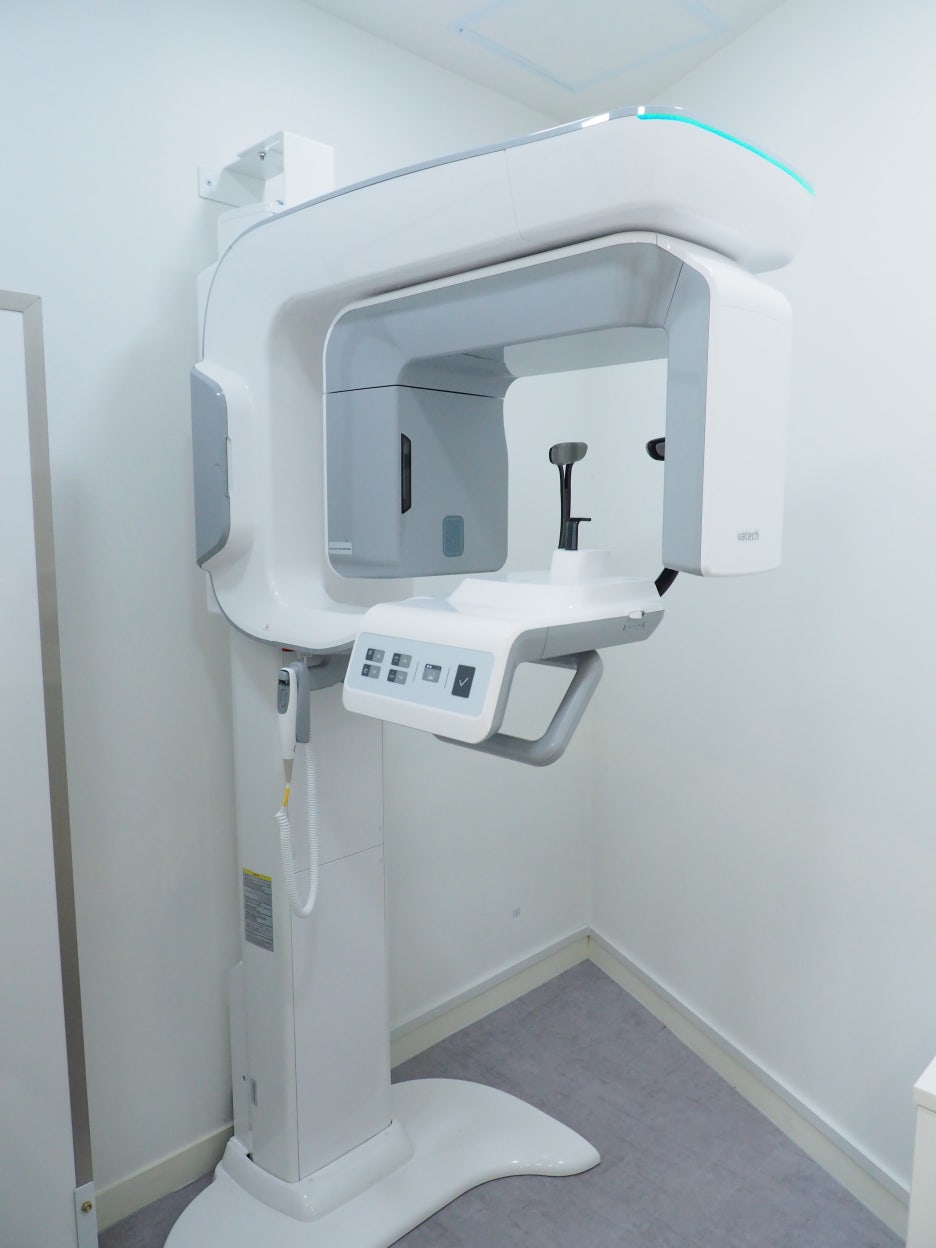
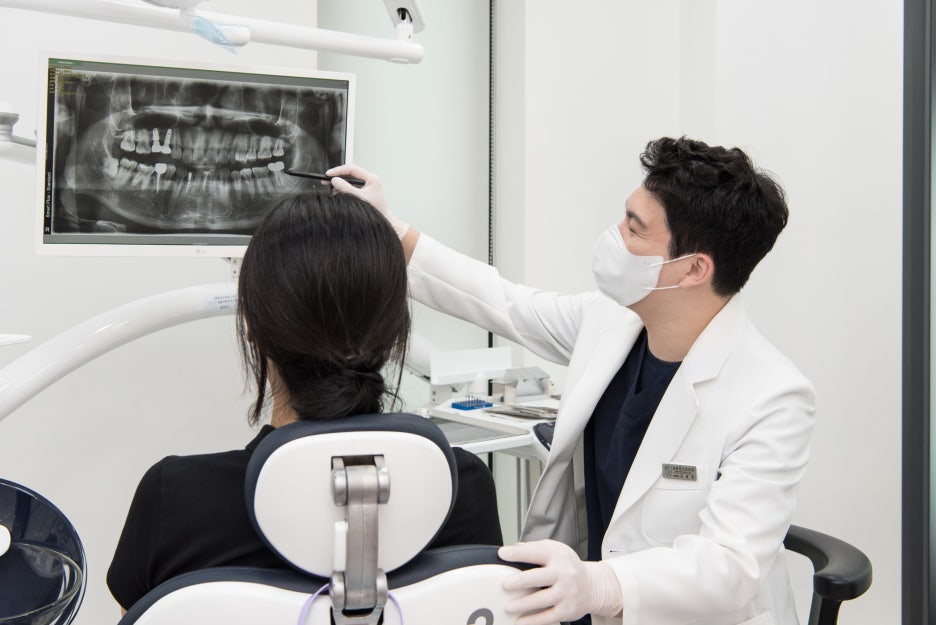
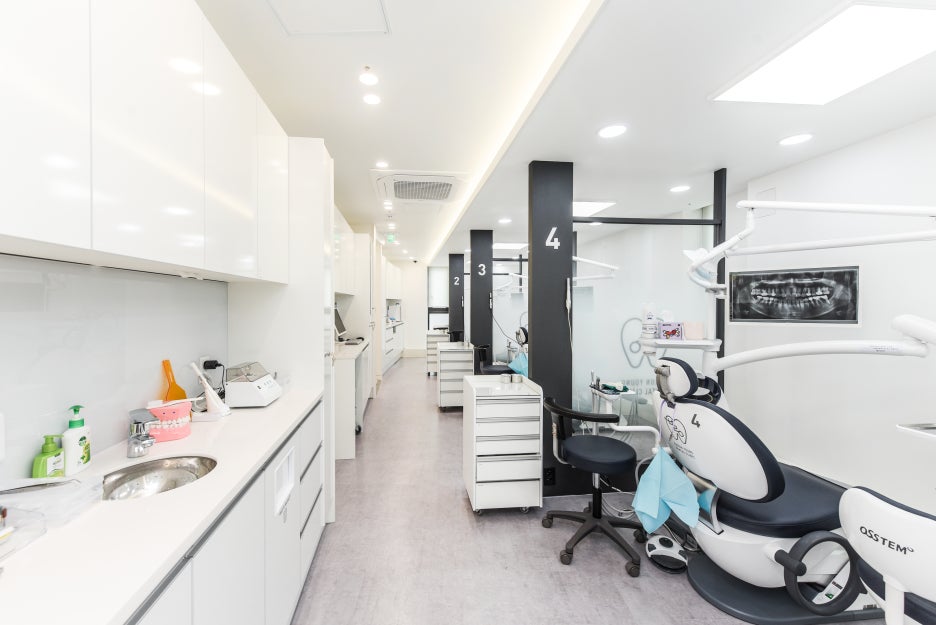
Chungmuro Dental Clinic is equipped with a university hospital-grade precision diagnostic device, 3D-CT, to meticulously check the patient's dental health even in areas difficult to see with the naked eye. Using this equipment, we thoroughly assess the patient's oral condition and strive to preserve natural teeth through personalized, stage-by-stage cavity treatment.

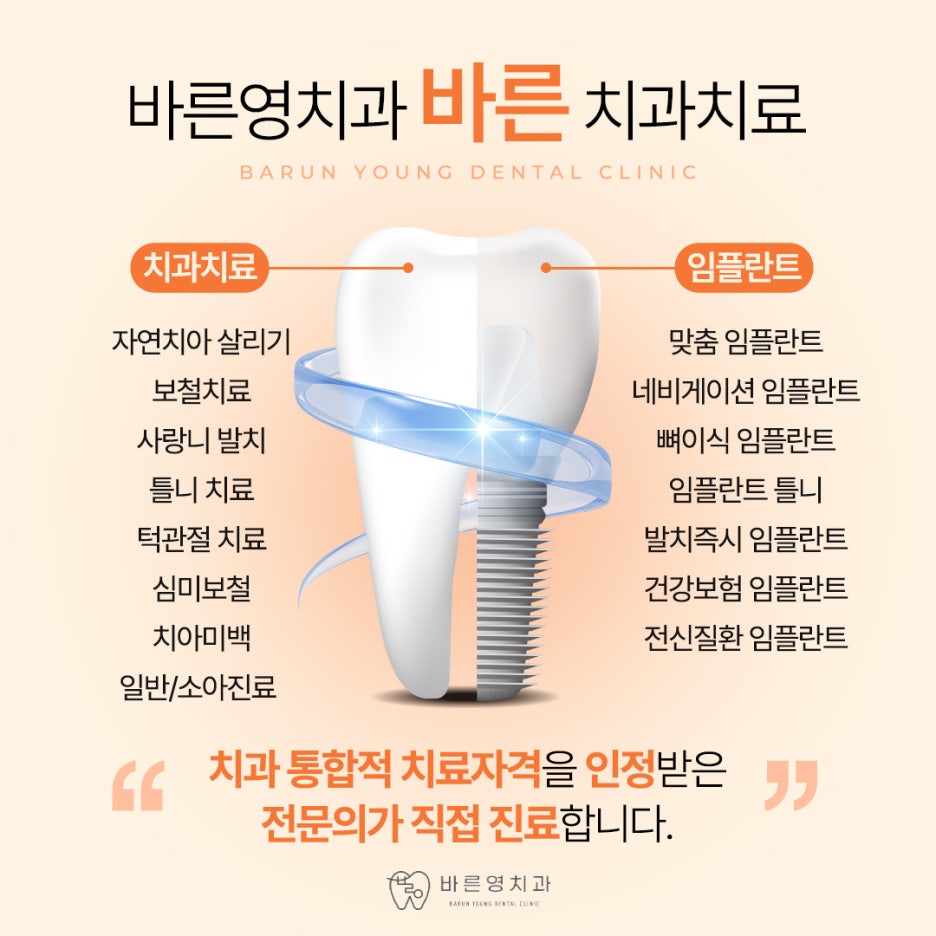
The chief director of Chungmuro Dental Clinic is a medical professional with specialist qualifications in integrated dentistry. Based on accumulated know-how from various cavity and root canal treatment cases, we do our best to assist patients with personalized treatments, helping them maintain and use their excellent natural teeth for longer.





Frequently Asked Questions
Why do cavities occur?
Cavities can affect anyone, regardless of age or gender, and are prone to developing if oral hygiene is neglected. They begin on the outermost surface of the tooth, the enamel, and can spread to the dentin and tooth nerve over time. Regular dental check-ups are crucial.
What are the symptoms of early-stage cavities?
In the early stages of a cavity, there is often no discomfort, so many people are unaware they have one. Most are discovered during a dental check-up or when a brown or black area is visually noticed on the tooth.
What are the treatment methods for each stage of cavity progression?
For early-stage cavities in the enamel, resin treatment is possible. If the cavity has spread to the dentin, inlay or onlay treatment is performed. If it has invaded the tooth nerve, efforts are made to save the natural tooth through root canal treatment.
When is root canal treatment necessary?
Root canal treatment is necessary when a cavity has spread to the tooth root, causing inflammation and severe pain through the tooth nerve. This is the final stage to preserve a natural tooth by removing inflammation from the nerves within the tooth and gum, filling it with a restorative material, and then capping it with a crown.
What happens if cavity treatment is delayed?
If cavity treatment is delayed and neglected, the cavity can spread to the tooth root, potentially requiring root canal treatment. Beyond this stage, the tooth nerve may necrotize, and the tooth may become loose or fall out, possibly leading to a recommendation for extraction.
What equipment does Chungmuro Dental Clinic use to diagnose cavities?
Chungmuro Dental Clinic is equipped with a university hospital-grade precision diagnostic device, 3D-CT, to meticulously check the patient's dental health even in areas difficult to see with the naked eye. This allows for personalized, stage-by-stage cavity treatment tailored to each patient.