2025-03-23
Sagging Breast Lift: Attention to Those Worried About Scars!
Many women experience breast sagging due to aging, weight changes, pregnancy, and breastfeeding. This article provides objective medical information on breast lift concepts, management methods, and pre-procedure considerations.
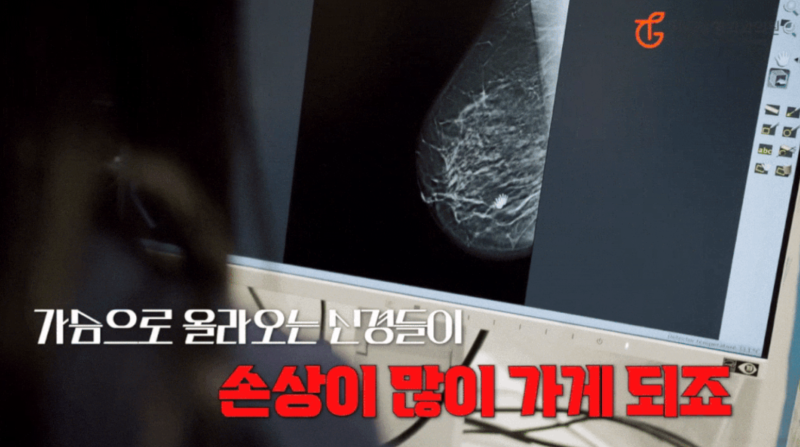
As women age or experience weight changes,
many women experience breast sagging
after pregnancy and breastfeeding.
These changes can bring not only physical discomfort
but also psychological burden.
In this article, we will provide objective
medical information, from the concept of a sagging breast lift
to various management methods,
and considerations before the procedure.
1. Causes of Sagging Breasts and the Need for a Lift
Sagging occurs due to various physiological
and environmental factors.
Breasts are primarily composed of fatty tissue,
glandular tissue, and supportive
connective tissue (Cooper's ligaments).
Over time, these tissues change and sagging occurs,
leading many women to become interested
in sagging breast lifts.

Key causes include:
Decreased elasticity due to aging,
Expansion and contraction of glandular tissue due to pregnancy and breastfeeding,
Changes in fatty tissue due to weight fluctuations,
Continuous influence of gravity,
Genetic factors, and lifestyle habits such as smoking or UV exposure.
Especially after childbirth, during the breastfeeding process,
glandular tissue expands and then shrinks when breastfeeding ends,
which can lead to sagging.
The skin and supportive tissues may not fully
return to their original state,
resulting in sagging.
2. Non-Surgical Management Methods for Sagging Breast Lifts
Non-surgical methods can be easily tried in daily life.
1. Wearing an appropriate bra
Wearing a supportive bra that fits your breast size and shape
is a basic method to achieve a sagging breast lift effect.
It is especially important to wear a sports bra during exercise.
2. Breast muscle strengthening exercises
Exercises that strengthen the pectoralis major (chest muscles)
can help with sagging breast lifts.
Push-ups, dumbbell presses, and chest
flies are suitable exercises.

3. Skin care
Moisturizing and sun protection are important for maintaining elasticity.
Products containing vitamin E, collagen, etc., can help maintain elasticity,
and are used as an auxiliary for sagging breast lifts.
4. Lifestyle improvements
Quitting smoking, a balanced diet,
and sufficient hydration contribute to overall
skin health.
Avoiding rapid weight changes is also
an important preventive factor for sagging breast lifts.
3. Medical Procedure Methods
In cases of severe breast sagging,
a sagging breast lift as a medical procedure
may be considered.
There are various methods for such procedures,
and the appropriate method may vary depending on the individual's condition and goals.
It is a process of improving breast shape through the repositioning of skin and glandular tissue.
Various incision methods can be used in this process,
and the appropriate method is chosen based on the degree of sagging and desired results.
It can be performed alone,
or in conjunction with augmentation or reduction procedures.
4. Post-Procedure Care for Sagging Breast Lifts
Following the doctor's instructions for wound care,
wearing compression garments, avoiding lifting heavy objects,
and restricting strenuous activities are important.
During the recovery period after a sagging breast lift procedure,
strictly following the medical team's guidelines
is essential for good results.
Regular visits to the medical team to check the results
and detect any potential problems early
are important.
After the procedure,
it is necessary to keep the area clean
and take measures to prevent infection.
Breast sagging is a natural physical change
that many women experience.

Sagging breast lifts can be managed with non-surgical methods,
or improved with medical procedures if necessary.
Whichever method is chosen,
it is important to consult with a specialist
based on clear information to select the method
that is right for you.
Through healthy lifestyle habits and appropriate care,
you can respond positively to changes in your body.