2025-05-05
Breast Lift: Various Causes and Solutions
Many women experience breast ptosis due to aging or childbirth. This article explores the medical reasons behind breast sagging and effective solutions, including surgical options and what to consider before and after a breast lift.
Many women experience breast sagging as they age or after childbirth. While it's a natural bodily change, it can lead to a decrease in self-confidence for some.
Today, we will explore the various causes of breast sagging and methods to improve it from a medical perspective.
1. Main Causes of Breast Sagging
Breast sagging can occur due to several reasons:
1. Breast Size and Weight
If breasts are larger than average, their weight makes them more susceptible to gravity, leading to sagging. This phenomenon can also be experienced by young women in their teens and twenties.
2. Weight Changes
Rapid weight gain followed by loss can cause the skin to stretch and not return to its original state, leading to sagging. Especially after significant weight loss, breast skin may remain stretched.
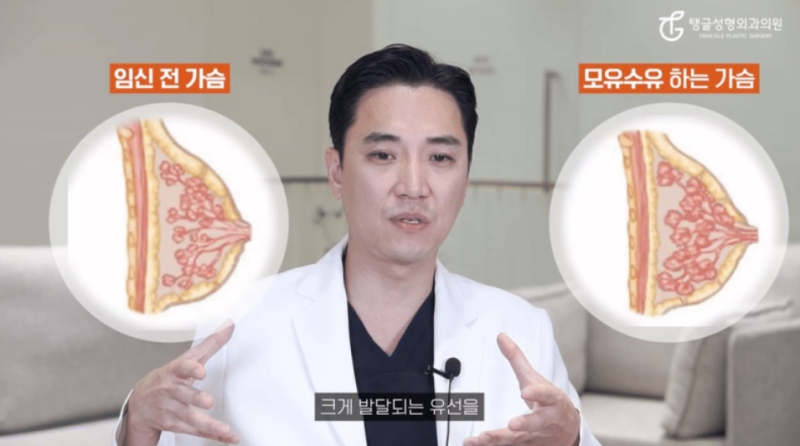
3. Pregnancy and Lactation
During pregnancy, glandular tissue develops and breasts enlarge. After childbirth and breastfeeding, as the glandular tissue shrinks, the shape of the breasts can change.
During this process, the skin and ligaments stretch, causing sagging.
4. Aging
Over time, skin elasticity and collagen decrease, causing breasts to naturally sag due to gravity. This tends to become more pronounced after the age of 40.
2. Can Exercise Alone Improve Breast Sagging?
Many people hope that chest muscle exercises can improve sagging breasts. However, from a medical standpoint, it is difficult to significantly improve sagging breasts with exercise alone.
Breasts are primarily composed of glandular tissue and fat, with the pectoralis major muscle underneath. While exercise can strengthen the pectoralis major, it cannot lift the sagging breast tissue itself.
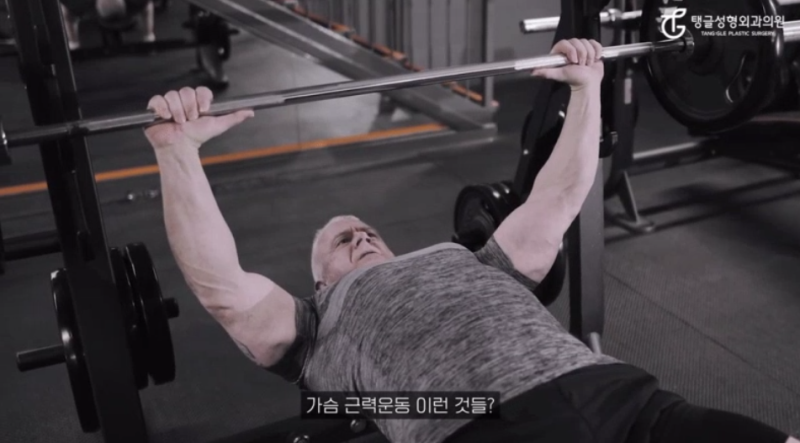
The pectoralis major is located beneath the breast tissue, so even if the muscle develops, the sagging of the breast itself does not improve.
In contrast, areas with a high muscle ratio, like the buttocks, can be reshaped through exercise. However, due to the structural characteristics of the breasts, exercise alone has limitations.
3. Approach Methods According to the Degree of Breast Sagging
There are various medical approaches depending on the degree of breast sagging:
1. Mild Sagging
If breast sagging is mild and there is insufficient volume, breast augmentation can improve both sagging and lack of volume simultaneously.
2. Moderate Sagging
For moderate sagging where the nipple is slightly below the inframammary fold, a mastopexy through a periareolar incision may be considered. This method involves an incision only around the areola, resulting in relatively limited scarring.
3. Severe Sagging
In cases of severe sagging, a more extensive surgical approach may be necessary.
A breast lift procedure using a vertical or inverted T-pattern incision may be considered, and if necessary, it can be performed in conjunction with breast augmentation.
4. Considerations After a Breast Lift Procedure
A breast lift is a surgical procedure with several important considerations:
1. Scars
After a breast lift, scars may remain at the incision sites. The extent of scarring varies depending on the method, individual skin condition, and recovery process.
It is especially important for individuals prone to keloids or hypertrophic scars to consult with medical staff beforehand, as more prominent scars may result.
2. Recovery Period
An appropriate recovery period is necessary after a breast lift. Typically, daily activities may be restricted for 1-2 weeks post-surgery, and strenuous activities like exercise should be avoided for about 4-6 weeks.
3. Durability of Results
The results of a breast lift may not be permanent. Over time, factors such as aging, gravity, and weight changes can lead to renewed sagging.
5. Before Deciding on a Breast Lift
If you are considering a breast lift, it is advisable to carefully consider the following:
1. Personal Health Status
All surgical procedures carry certain risks. A medical evaluation is necessary to determine if your current health status is suitable for surgery.
2. Expectations
It is important to have realistic expectations about the changes and limitations that a breast lift can bring. Both post-surgical scars and the new breast shape should be considered.
3. Consultation with a Specialist
Consulting with a qualified specialist is crucial to determine the most suitable approach for you.
Breast sagging is a natural phenomenon experienced by many women. With a proper understanding and appropriate approach, we hope you can make the best choice suitable for your individual situation.