2026-09-07
Jung-gu Sindang-dong Dentist Honestly Reveals Laminate Lifespan and Habits to Reduce Side Effects
A dentist in Sindang-dong, Jung-gu, shares realistic insights into laminate lifespan and practical tips for long-term maintenance, including proper oral hygiene, dietary considerations, and the importance of regular check-ups to prevent damage and side effects.
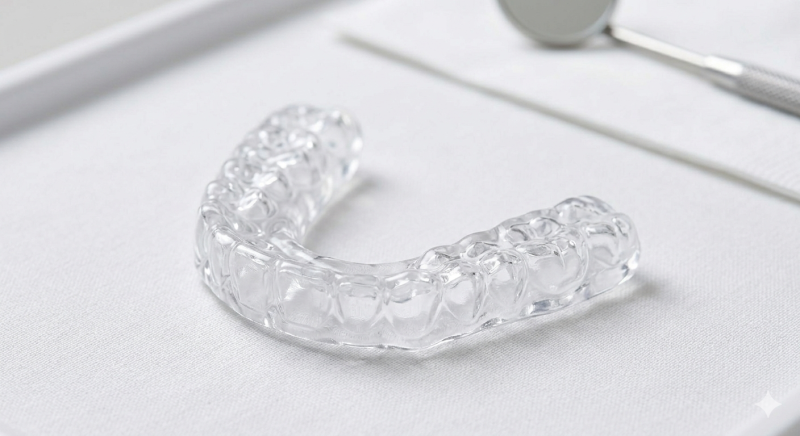
Hello.
I'm Dr. Kim Tae-young, the head director of Bareunyoung Dental Clinic at Yaksu Station.^^
When consulting for laminates for aesthetic purposes,
patients often ask a question as frequently as they ask about the treatment process or cost.
‘Doctor, how long do laminates last?’ ‘Can I use them for a lifetime if I manage them well?’
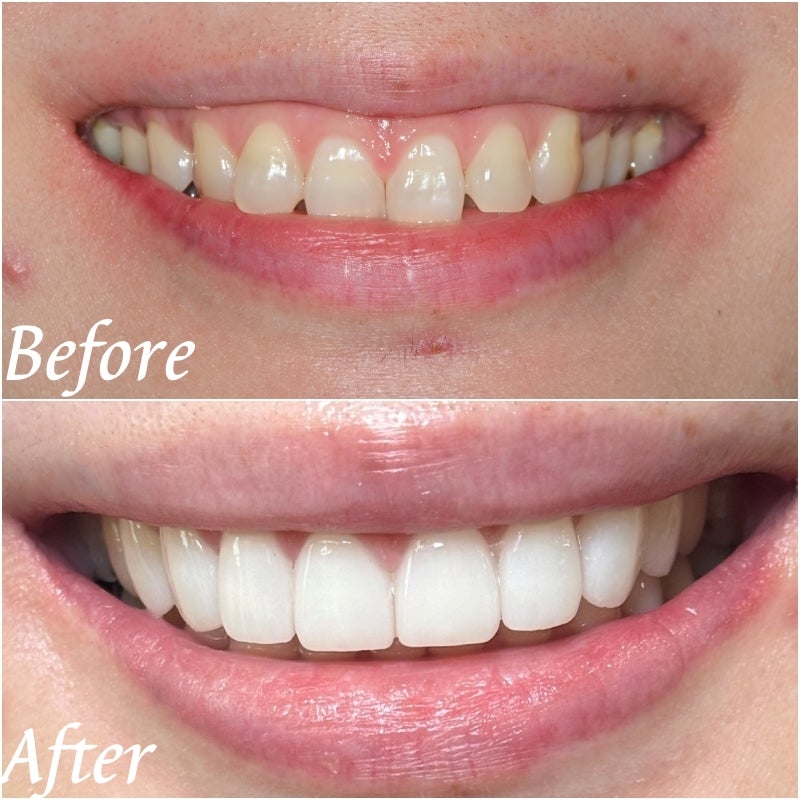
As aesthetic treatment is a significant decision,
I understand your concern about how long you can maintain their beautiful appearance.
Today, as a dentist, I will realistically discuss the lifespan of laminates,
and I will summarize practical management methods that genuinely help keep them clean for a long time.
■ What is the typical lifespan of laminates?
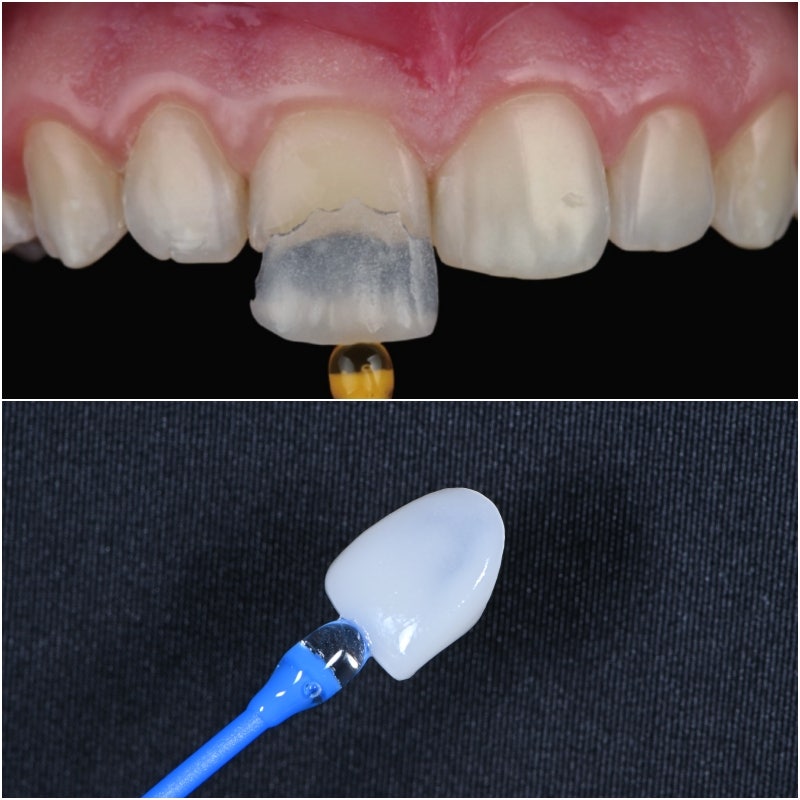
Laminates are a procedure where the tooth surface is meticulously prepared,
and then a thin porcelain (ceramic) veneer is bonded onto it.
The durability and strength of the material itself have significantly improved with technological advancements.
While there are differences depending on the management status and individual oral environment,
many people use them for a long time with proper care.
However, it is difficult to simply define the lifespan in terms of a specific number of years.
Even if you receive precise treatment with the same material and method,
the outcome can vary completely depending on:
- The patient's lifestyle,
- Oral hygiene management,
- The occlusal state of the opposing teeth,
- And whether regular check-ups are performed.
Having performed numerous treatments at Yaksu Station Dental Clinic,
I often feel that ‘the patient's subsequent management habits’ have a much greater impact on the lifespan than the completeness of the treatment itself.
■ Main reasons why laminates get damaged or detach
Laminates themselves are not natural teeth, so they do not get cavities.
However, the main reasons for problems such as laminates cracking or falling off are as follows:
1. Excessive force applied to the front teeth
If you have a habit of grinding your teeth during sleep or clenching your teeth normally,
or if you frequently eat hard foods, microscopic cracks can form in the laminate or lead to detachment.
Because laminates are thin structures, they can be vulnerable to sudden impacts or repetitive overloading.
2. Negligent care of the tooth bonding area
Laminates are strongly bonded to the tooth surface.
If plaque continuously accumulates around the bonding area,
microscopic contamination can occur in the gaps, so the border area must be meticulously managed.
3. Inflammation at the tooth and gum line
If brushing is neglected at the border where the laminate meets the gums,
gum inflammation (periodontitis) can occur.
If the gums recede, the laminate border line becomes exposed,
which is aesthetically undesirable and affects tooth health.
4. Gap discoloration and staining
The ceramic material itself rarely discolors.
However, the adhesive component between the laminate and the tooth,
or the gap border line, can become stained and appear dark over time due due to smoking or food.
■ 4 ways to maintain healthy laminates for a long time
‘Doctor, is there anything special I need to pay more attention to after getting laminates?’
To put it simply, it's not much different from natural tooth care, but remembering a few extra points will greatly help extend their lifespan.
- Proper brushing and flossing
You must meticulously clean the border area between the laminate and the gums.
Especially when flossing, pulling it out by snapping it upwards can irritate the bonding area,
so passing it between the teeth and then gently sliding it forward is safer.
- Beware of hard and chewy foods
You should avoid foods that are bitten with the shell, like crabs or clams, hard nuts, and the habit of chewing ice with your teeth. Especially, try to refrain from biting into food with your front teeth (e.g., biting into corn or apples whole) and it is recommended to cut them into pieces.
- Rinse after consuming staining foods
After eating foods that cause staining, such as coffee, wine, curry, or jjajangmyeon, brushing immediately or, if not possible, rinsing with water right away helps prevent staining at the border.
- Utilize a nightguard if you have a teeth-grinding habit
If you have a habit of teeth grinding or clenching, you should inform us in advance before treatment. If necessary, a mouthguard (nightguard) worn at night should be made to distribute and protect against excessive pressure applied to the laminates and teeth.
■ The surest key to extending lifespan: regular check-ups
No matter how well you perform home care, microscopic cracks that are not visible to the naked eye
or subtle changes in the bonding area are difficult to detect visually.
The importance of regular check-ups lies in the fact that if problems are detected early, they can be addressed with relatively simple procedures.
Furthermore, the overall health of the teeth and gums around the laminate can be cared for together.
Typically, receiving regular scaling and check-ups once every six months is the shortcut to long-term use.

■ In conclusion
Laminates can only truly shine for a long time with meticulous treatment completion and continuous patient care.
At Bareunyoung Dental Clinic at Yaksu Station, we not only focus on the aesthetic results on the day of treatment,
but also dedicate ourselves to post-treatment care education, believing that the day treatment ends is ‘the beginning of new management.’
We will always provide sincere care, adhering to the basics without overtreatment.
Thank you.
[Key summary of today's article]
✔ Laminate lifespan varies depending on individual management status and oral habits.
✔ Teeth grinding, consumption of hard foods, and neglect of border area care are the main causes of damage.
✔ Proper flossing technique (sliding sideways) and rinsing after staining foods are important.
✔ Regular check-ups every 6 months to monitor subtle changes are key to long-term maintenance.
This post was directly written by Bareunyoung Dental Clinic in compliance with Article 56, Paragraph 1 of the Medical Service Act, for the purpose of providing medical information and hospital advertising. All procedures and surgeries may cause side effects such as pain, detachment, fracture, or sensitivity depending on the individual's oral condition, so please proceed after sufficient consultation with medical staff.
Frequently Asked Questions
What is the typical lifespan of laminates?
The lifespan of laminates varies greatly depending on individual oral care habits and lifestyle. While the material itself has high durability, factors such as teeth grinding, consumption of hard foods, oral hygiene management, and whether regular check-ups are performed all determine the lifespan.
What are the main reasons why laminates get damaged or detach?
The main causes of laminate damage are excessive force applied to the front teeth due to teeth grinding or clenching habits, and consuming hard foods. Additionally, negligent care of the tooth bonding area, gum inflammation at the border, and gap discoloration and staining can also be contributing factors.
Are there any specific foods to be careful of after getting laminates?
Yes, you should be careful with hard and chewy foods. Avoid items like crab or clam shells, hard nuts, and ice, and it's best to cut foods like corn or apples instead of biting into them with your front teeth.
Is there a way to prevent laminate discoloration?
Yes, it's best to manage immediately after consuming foods that cause discoloration. Brushing immediately or rinsing with water after eating staining foods like coffee, wine, or curry can help prevent discoloration at the border.
What should I do if I have a teeth-grinding habit?
If you have a teeth-grinding habit, you should inform your dentist in advance. If necessary, a mouthguard (nightguard) worn at night can be made to distribute and protect against excessive pressure applied to the laminates and teeth.
Is regular check-up important for laminate care?
Yes, regular check-ups are very important. Even with good home care, microscopic cracks or changes that are difficult to detect with the naked eye can be found early and treated simply. It is recommended to have scaling and check-ups once every 6 months.