2025-04-19
Can Stem Cell Intravenous Injections Treat Skin Aging?
Explore the potential of stem cell intravenous injections in regenerative medicine, focusing on their basic concepts, research applications, current status, and important considerations for treating skin aging and other conditions.
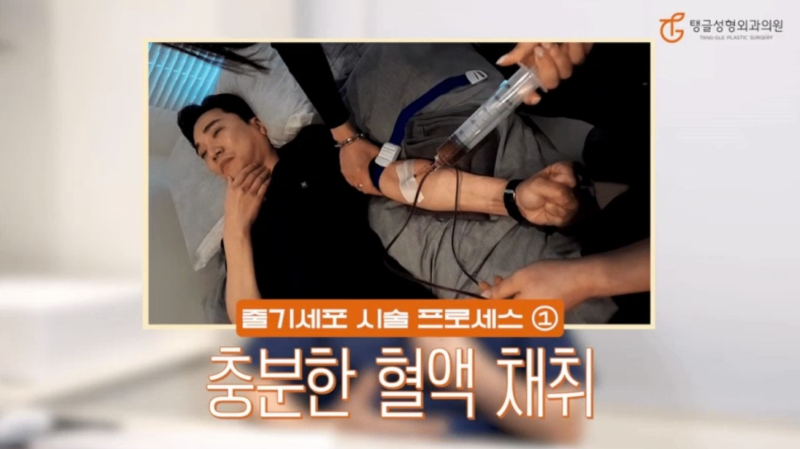
With advancements in medical technology,
various studies are being conducted in the field of regenerative medicine.
In this article, we will explore medical information related to stem cells,
which are being researched as one area of regenerative medicine.
1. Basic Concepts and Characteristics of Stem Cells
Stem cells are specialized cells with the ability to self-replicate
and differentiate into various cell types.
Due to these characteristics, they are considered important in research related to tissue regeneration.
Stem cells are broadly classified into embryonic stem cells and adult stem cells.
Adult stem cells can primarily be extracted from bone marrow, adipose tissue, and umbilical cord blood.
Among these, stem cells obtained from bone marrow are divided into hematopoietic stem cells and mesenchymal stem cells.
Mesenchymal stem cells are gaining attention in the field of regenerative medicine because they can differentiate into bone, cartilage, fat, and muscle.
2. Research Areas and Applications of Stem Cells
Stem cells are being researched in various medical fields.
For example, their potential is being explored in aspects such as tissue regeneration, immune modulation, and anti-inflammatory effects.
In particular, research is underway on their potential to repair damaged tissues or treat chronic diseases.
In the medical community, clinical trials of various stem cell-based therapies are being conducted, with active research focusing on autologous stem cells.
The advantage of using a patient's own cells is a lower risk of immune rejection.
3. Information on Stem Cell Intravenous Injections
Stem cell intravenous injection is a method currently under research,
primarily referring to administration via the intravenous route.
Theoretically, it is hypothesized that intravenously administered stem cells can circulate throughout the body via the bloodstream and reach damaged areas.
Research related to stem cell intravenous injections is being conducted for various diseases.
4. Current Status of Research on Stem Cell Intravenous Injections
Research on stem cell intravenous injections is ongoing worldwide.
In particular, many studies are focusing on the immunomodulatory capabilities and anti-inflammatory effects of mesenchymal stem cells.
Researchers are working to develop protocols, including how stem cell intravenous injections work, how many cells are needed, and how often they should be administered.
Research is also underway on methods to improve survival rates and mobility to target tissues.
5. Considerations for Stem Cell Intravenous Injections
There are medical considerations related to stem cell intravenous injections.
First, source and quality control are important.
This is because characteristics can vary depending on the donor's age, health status, and extraction method.
Therefore, decisions should be made based on scientific evidence, medical judgment, and sufficient information provision.
Regenerative medicine continues to advance,
and stem cell research is at its core.

If various stem cell-based therapies, including stem cell intravenous injections,
acquire sufficient clinical evidence and ensure safety, there is a potential for them to be used in treating many diseases in the future.
In particular, stem cell intravenous injection is one of the methods being researched in the field of regenerative medicine, and its potential is being explored for various diseases.
When encountering medical information, it is important to seek information based on scientific evidence and consult with medical professionals.
We look forward to future research results and how stem cell-based therapies will evolve.