2026-07-14
Incisional Eyelid Surgery: Method and Suitable Eye Types
Learn about incisional eyelid surgery, a highly effective method for creating clear, defined double eyelids. This article covers the procedure, recovery, and ideal candidates for incisional blepharoplasty, including those with thick or sagging eyelids, or previous unsatisfactory surgeries.

Incisional Eyelid Surgery: Method and Suitable Eye Types
As time progresses, the appreciation for beautiful, handsome, and attractive appearances is increasing. Among the features that significantly influence a person's impression, the eyes capture the most attention. Individuals with clear or refreshing eyes can make a very favorable impression. With advancements in medical technology, it is now possible to address complex areas through surgery, and among these, eyelid surgery is one of the most accessible procedures.
Eyelid surgery methods are broadly divided into non-incisional (suture) and incisional techniques. Since the most harmonious surgical method and type differ for each person, satisfactory results depend on the chosen procedure. The appropriate surgical method must be applied according to each patient's eye type and condition. While the non-incisional method is generally preferred due to its relatively simpler procedure compared to incisional surgery, risks often arise that differ from the expected results. Therefore, let's explore the incisional surgical method, which was developed to compensate for these issues.
What is Incisional Eyelid Surgery?
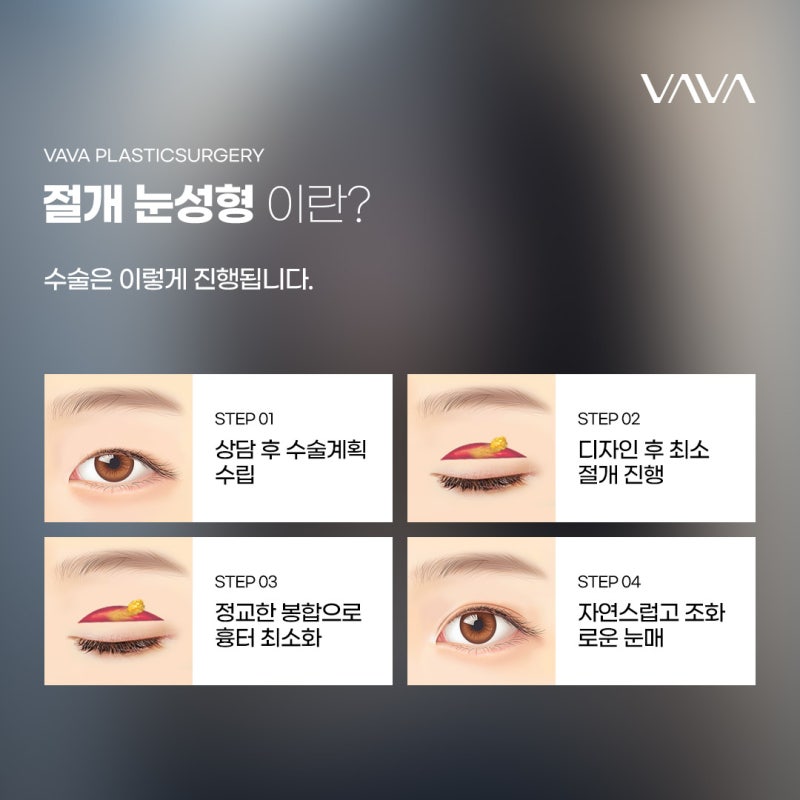
This surgical method involves incising the upper part of the eyelid, removing some unnecessary fat and muscle, and then suturing the muscle and skin to create a double eyelid.
Compared to non-incisional surgery, it is less likely to loosen and creates a clearer eye shape.
While non-incisional surgery, by avoiding incisions, can achieve natural results that look like your own, if performed without considering eyelid sagging or thickness,
it can easily loosen and lead to unsatisfactory results.
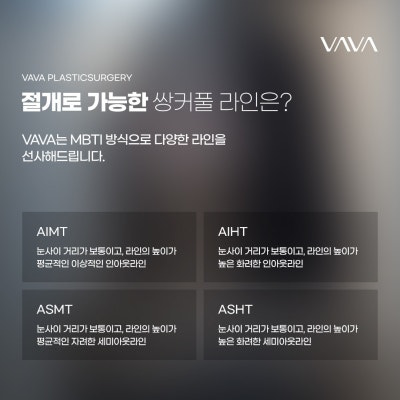
Incisional eyelid surgery is not limited to a fixed line. Like the non-incisional method, it can create all types of lines: in-line, in-out line, out-line, and semi-out line.
It is possible.
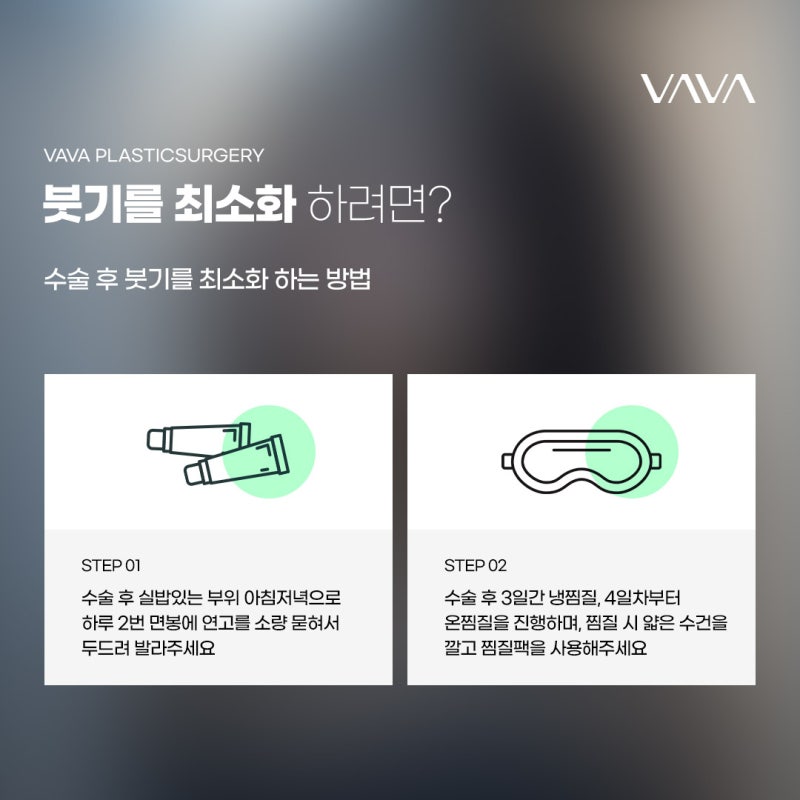
It is true that incisional eyelid surgery generally causes more swelling compared to non-incisional methods. Since the incisional method, as its name suggests, involves incising and suturing the eyelid, it creates a wound in the eye. When damage occurs internally, the body stops lymphatic circulation to prevent bacteria or cellular debris from spreading further, thereby minimizing damage, which leads to swelling. The duration of swelling varies among individuals, but it typically subsides within 2-3 weeks. However, individuals with poor lymphatic circulation or a tendency to swell easily may experience swelling for a longer period than average.

Types of Eyes Suitable for Incisional Eyelid Surgery 1. Thick eyelid skin 2. Severe sagging of eyelid skin 3. Previous double eyelid surgery with low satisfaction or loosening 4. Insufficient strength to lift the eyelid 5. Desire to lower the double eyelid line

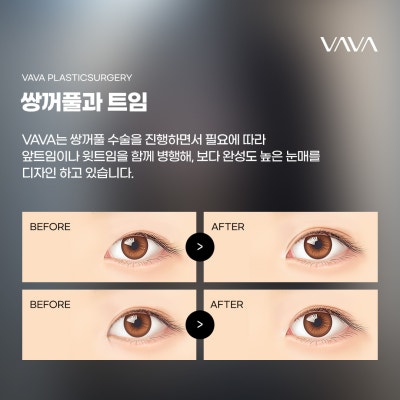
Incisional Revision Surgery and Canthoplasty
Incisional eyelid surgery is particularly prone to revision cases. When performing revision surgery with the incisional method, the fixation can be stronger than with the non-incisional method, and it allows for easy line height reduction and line changes that are not possible with non-incisional techniques.
If the outer corner of the eye appears stuffy when only double eyelid surgery is performed, combining it with an epicanthoplasty (front or upper canthoplasty) can create a synergistic effect.
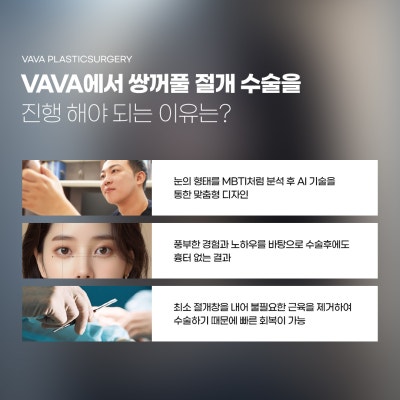

If you have the eye types mentioned above, BABA Plastic Surgery recommends considering incisional eyelid surgery. If you proceed with a non-incisional method despite these conditions, it may lead to unsatisfactory results due to the inability to remove unnecessary fat. Therefore, choosing the appropriate surgical method based on your eye condition is the best way to achieve optimal results.
The outcome of incisional eyelid surgery largely depends on the medical team's skilled techniques and expertise. Thus, it is crucial to select the best medical team for you and assess the quality of the consultation.
We will do our best to provide optimal results by considering each patient's facial harmony and proportions, performing analysis through an 'Agnima' examination, and conducting thorough consultations.



Frequently Asked Questions
What is incisional eyelid surgery?
Incisional eyelid surgery involves incising the upper part of the eyelid to remove unnecessary fat and muscle, then suturing it to create a double eyelid. Compared to the non-incisional method, it is less likely to loosen and can create a clearer eye shape.
What eye types require incisional eyelid surgery?
Incisional eyelid surgery is suitable for cases where the eyelid skin is thick or severely sagging, previous double eyelid surgery resulted in low satisfaction or loosening, or there is insufficient strength to lift the eyelid.
How long does swelling last after incisional eyelid surgery?
On average, most swelling subsides within 2-3 weeks. There are individual differences, and those with poor lymphatic circulation or a tendency to swell easily may experience swelling for a slightly longer period than average.
Can various double eyelid lines be created with incisional eyelid surgery?
Yes, it is possible. Similar to the non-incisional method, all types of lines, including in-line, in-out line, out-line, and semi-out line, can be created to achieve the desired eye shape.
Is incisional eyelid surgery effective for revision surgery?
Yes, it is effective. Incisional revision surgery can provide stronger fixation than the non-incisional method, and it allows for easy line height reduction or line changes that are difficult with non-incisional techniques, thereby increasing satisfaction.