2025-03-21
Gynecomastia: Causes and Treatment!
Learn about gynecomastia, a condition where male breasts enlarge like female breasts, causing physical discomfort and psychological stress. This article explains its causes, types, diagnosis, and treatment options, including surgical and non-surgical approaches.
Hello!
This is Tangle Plastic Surgery.

Gynecomastia refers to the condition where a man's chest enlarges, resembling a woman's breasts.
Many men experience not only physical discomfort but also psychological stress due to this condition.
Today, we will easily explore the causes and treatments for gynecomastia.
1. What is Gynecomastia?

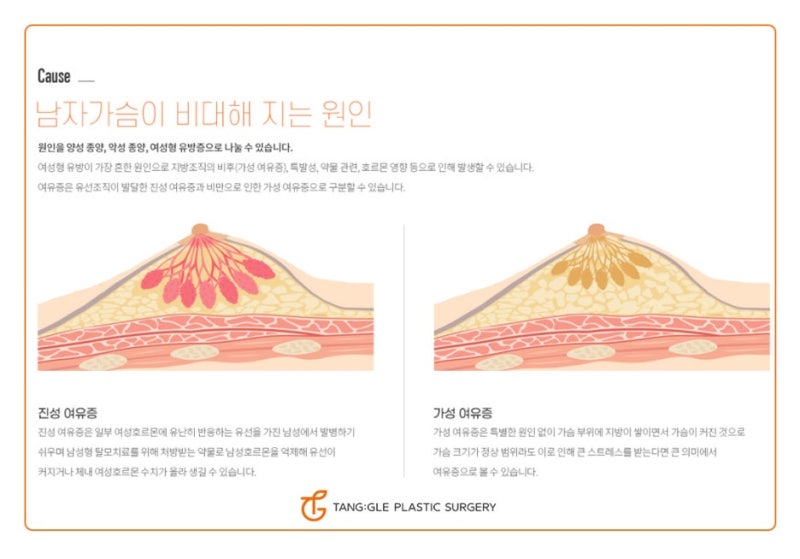
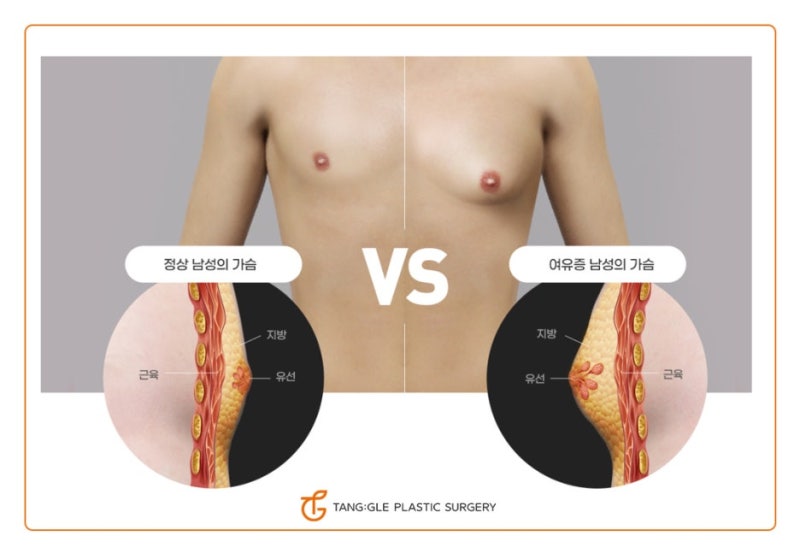
It is a condition where glandular tissue and fatty tissue accumulate in a man's chest, causing it to enlarge like a woman's breast.
It can be broadly divided into two types:
True Gynecomastia
This is a case where the glandular tissue is excessively developed.
Glandular tissue is responsive to female hormones, and hormonal imbalance is the main cause.
It cannot be resolved through diet or exercise.
Pseudogynecomastia
This is a case where fatty tissue is excessively accumulated in the chest area.
In this case, it can be improved with weight loss or liposuction.
2. Causes
1. Hormonal Imbalance
During puberty in teenagers, the balance between male and female hormones can be unstable, making it prone to occur.
Symptoms that appear during this period usually disappear naturally by adulthood.
2. Medication Effects
Taking certain medications (especially those for male pattern baldness, etc.) can affect hormone balance and cause gynecomastia.
3. Obesity
Excessive weight is a major cause of pseudogynecomastia due to fat accumulation.
4. Steroid Use
Steroid use can cause hormonal imbalance, increasing the risk of gynecomastia.
3. Types of Gynecomastia
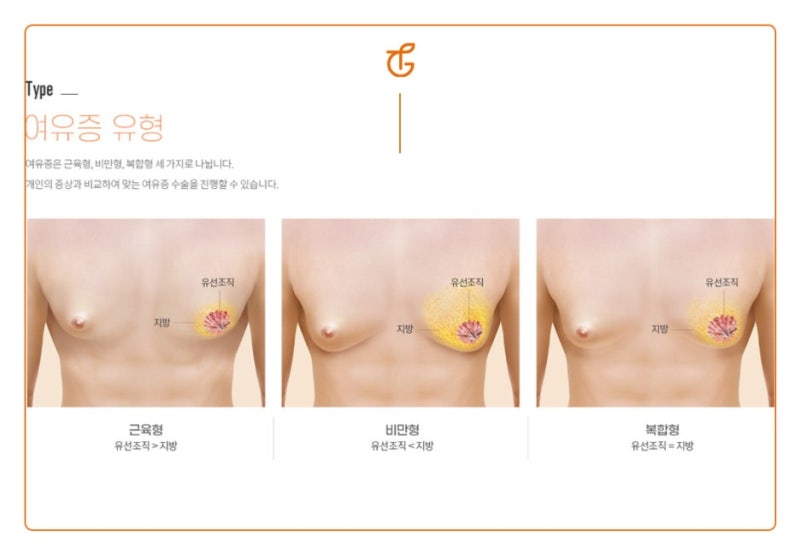
Gynecomastia can be divided into three types depending on body shape and cause:
1. Muscular Type
A type where glandular tissue is more developed than fat.
2. Obese Type
A type where fat is more accumulated than glandular tissue.
3. Mixed Type
A type where glandular tissue and fat are developed in similar proportions.
The main symptoms that may suggest gynecomastia are as follows:
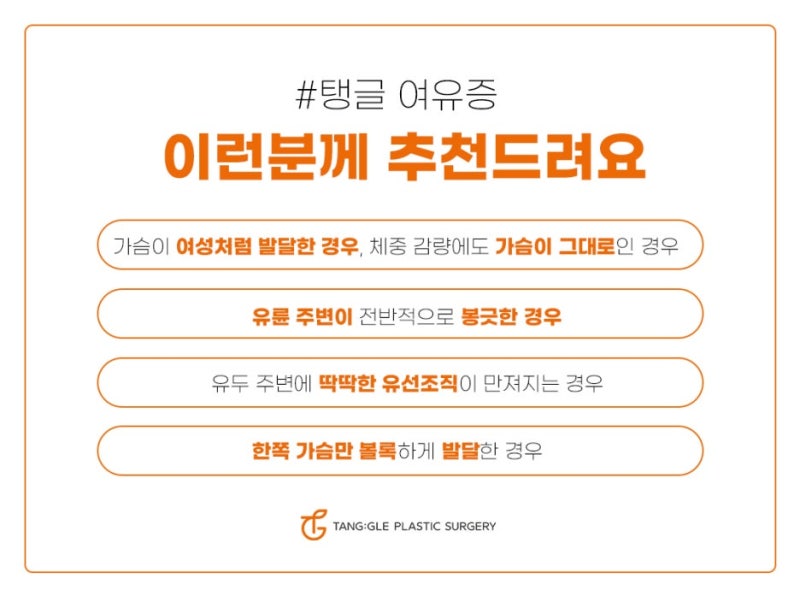
- Breasts swell like a woman's.
- The area around the areola generally protrudes.
- Hard glandular tissue can be felt around the nipple.
- Only one breast develops asymmetrically.
- The size of the chest area does not decrease even with weight loss.
If you have these symptoms, it is advisable to get a clear diagnosis through a medical examination.
4. Diagnosis Methods
For a clear diagnosis of gynecomastia, a doctor's examination and ultrasound are necessary.
An ultrasound can measure the degree of glandular tissue development and the thickness of the fat layer.
The severity of gynecomastia is divided into 4 stages using a classification method called the Simon grade:
- Grade 1: Only the nipple and areola are protruding.
- Grade 2a: The nipple and part of the breast skin are protruding.
- Grade 2b: The entire nipple and breast skin are protruding, accompanied by slight skin sagging.
- Grade 3: The entire nipple and breast skin are protruding, accompanied by severe ptosis.
The treatment for gynecomastia varies depending on the type and severity.
1. Non-surgical Treatment
- Lifestyle changes: For pseudogynecomastia, weight loss and regular exercise can be helpful.
- Medication: Some hormone-related medications may be prescribed, but their effectiveness is limited for true gynecomastia.
2. Surgical Treatment
In cases of true gynecomastia or severe pseudogynecomastia, surgery may be necessary.
1. Glandular Excision: This surgery removes excessively developed glandular tissue.
2. Liposuction: This removes excessive fat around the chest.
3. Combined Surgery: This method performs glandular excision and liposuction together.
Surgery is usually performed through small incisions around the areola or in the armpit area to minimize scarring.
Gynecomastia can cause significant physical and psychological stress, but it can be improved through appropriate diagnosis and treatment.
If you suspect symptoms, it is important to consult with a specialist to find the method that suits you.
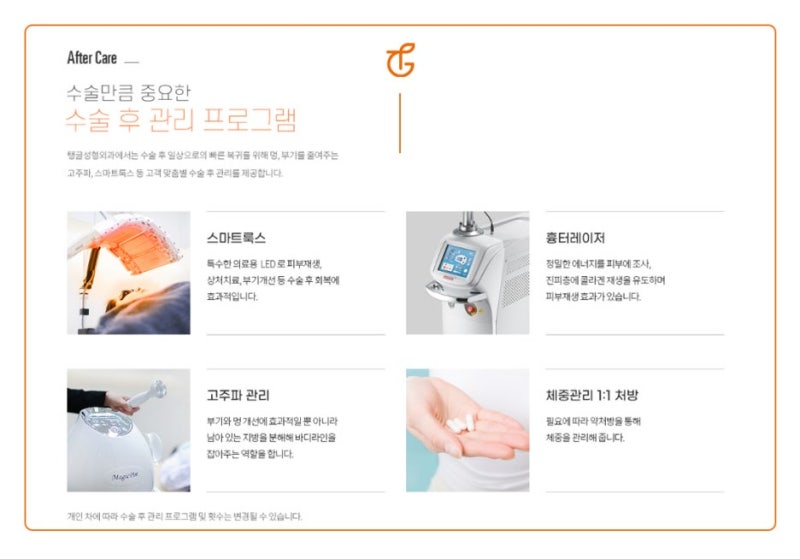
Maintaining a healthy diet and regular exercise also helps with prevention and management.
It is important to reduce psychological burden and regain confidence, so we recommend actively seeking medical help if necessary.