2026-09-07
Yaksu Station Dental Clinic: What Happens If You Delay Implant Placement After Extraction (Implants, Crown Treatment, Root Canal Treatment)
Delaying implant placement after tooth extraction can lead to surrounding teeth tilting or opposing teeth over-erupting, causing bite problems and requiring more complex, additional treatments.
Hello there!^^
I’m Dr. Kim Tae-young, director of Bareunyoung Dental Clinic at Yaksu Station.
When a tooth needs to be extracted due to deep decay or severe gum disease,
implant treatment is necessary to restore the affected area.
As I’ve posted in the past, whether an implant can be placed immediately after extraction
depends on the condition of the bone and gums around the extraction site.
However,
to shorten the treatment period, we usually perform the surgery immediately if possible.
But,
I’d like to explain what happens when patients cannot make time due to their schedules, even when surgery is possible,
and treatment is delayed for a long time.
Occasionally, some patients ask
what happens if they don’t get an implant immediately after extraction.
Of course, in the short term, there’s only a slight discomfort with chewing.
However, in the long term, teeth may tilt,
or the opposing tooth in the extracted area may over-erupt, leading to an improper bite.
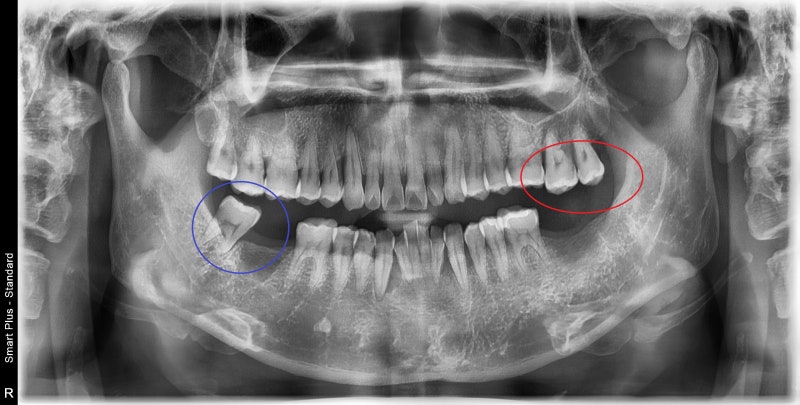
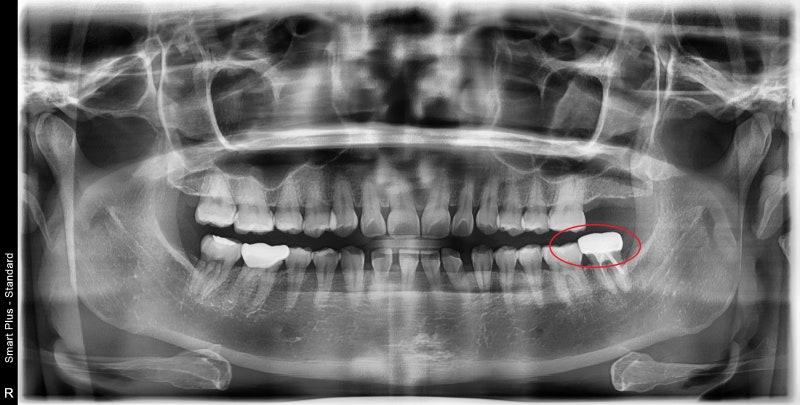
As you can see, the tooth marked in blue has tilted slightly sideways,
and the over-erupted teeth marked in red
have no opposing teeth to bite against,
causing them to sink down or erupt upwards, creating a step-like bite.
If the bite is completed in this state, it will cause a lot of discomfort due to food impaction.
Slightly over-erupted teeth can be gently reshaped to adjust the implant bite,
allowing the opposing area to remain untreated. However,
for teeth that have over-erupted significantly like these,
crown treatment is intentionally required to align the occlusal plane.
Depending on the extent of over-eruption, this may necessitate intentional root canal treatment.
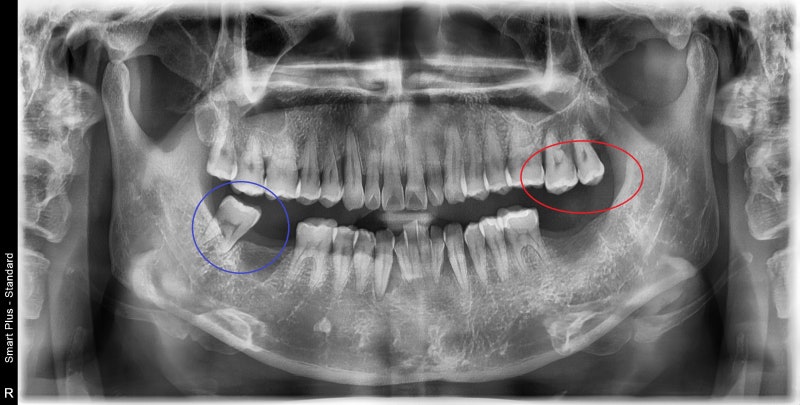
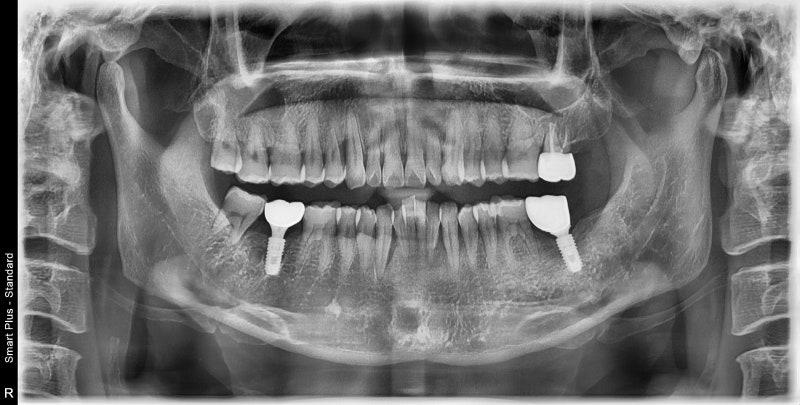
These are photos before and after treatment.
The blue wisdom tooth was chewing well against its opposing tooth, so we decided not to extract it
but to reshape it for continued use.
The teeth marked in red had over-erupted too much.
The wisdom tooth was extracted, and the adjacent tooth underwent root canal treatment followed by crown treatment
to align the occlusal plane and match it with the implant.
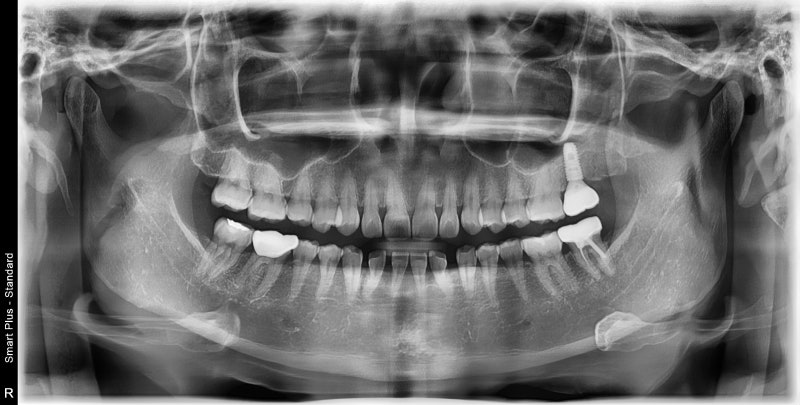
In this case,
the previously crowned tooth had over-erupted,
so we were able to align the occlusal plane by removing and remaking it.
As such, if a long time passes after extraction before you visit the dentist,
in addition to the implant for the affected area, treatment for the surrounding teeth
will be additionally required, and the diagnosis will inevitably be revised.
Therefore, if you have a tooth extracted,
we urge you not to delay treatment too much, even if you are busy.^^
Frequently Asked Questions
Should I get an implant immediately after tooth extraction?
Yes, it is generally best to have the surgery immediately if possible. While it depends on the condition of the bone and gums around the extraction site, immediate surgery is often performed to shorten the treatment period.
What problems can arise if implant treatment is delayed after tooth extraction?
In the short term, there may be discomfort with chewing. In the long term, surrounding teeth may tilt, or the opposing tooth in the extracted area may over-erupt, leading to an improper bite. This can cause discomfort such as food impaction.
How is treatment performed if a tooth has over-erupted due to delayed implant treatment?
It depends on the extent of over-eruption. Slightly over-erupted teeth can be gently reshaped to adjust the bite, but significantly over-erupted teeth may require crown treatment or root canal treatment.
Can additional treatment be necessary if implant treatment is delayed after tooth extraction?
Yes, that's correct. If a long time passes after extraction, in addition to the implant, additional treatments such as crown treatment, root canal treatment, or even extraction may be necessary to address tilted or over-erupted surrounding teeth, leading to a revised diagnosis.
Why should implant treatment not be delayed after tooth extraction?
Delaying implant treatment after tooth extraction can lead to bite problems due to changes in surrounding teeth, which ultimately requires more complex and additional treatments. Therefore, it is important not to delay treatment, even if you are busy.