2026-09-07
Yaksu Station Dental Clinic: Laminate Perfection Starts with Care
Learn how proper care extends the life of your laminates. This article from Yaksu Station Dental Clinic covers laminate indications, procedure, and essential aftercare tips for a lasting, confident smile.
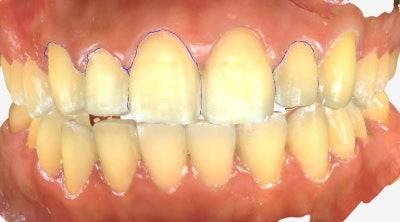
Hello,
This is Dr. Kim Tae-young, chief director of
Bareunyoung Dental Clinic at Yaksu Station.
Recently, there has been a growing trend of patients
showing interest in laminates.
I've mentioned it a few times in my blog before,
but laminates are not a new procedure;
they have been developed since the past
with the aim of minimally invasive treatment for teeth,
to restore both functional and aesthetic aspects of teeth.
Many people nowadays desire bright and even teeth. If you're bothered by yellowish teeth, gaps between your front teeth, or chipped front teeth every time you smile, laminate treatment can help you regain a natural and confident smile.
Laminates are a procedure where thin ceramic veneers are bonded to the surface of teeth to improve their color and shape. They are considered a leading aesthetic treatment today because they can achieve both whitening and orthodontic effects simultaneously without significant tooth reduction.
However, no matter how good the treatment is, if you don't know how to properly care for it, the lifespan of the prosthesis might not meet your expectations.
So today, we'll take some time to learn about laminate care methods.
In what cases are laminates used?
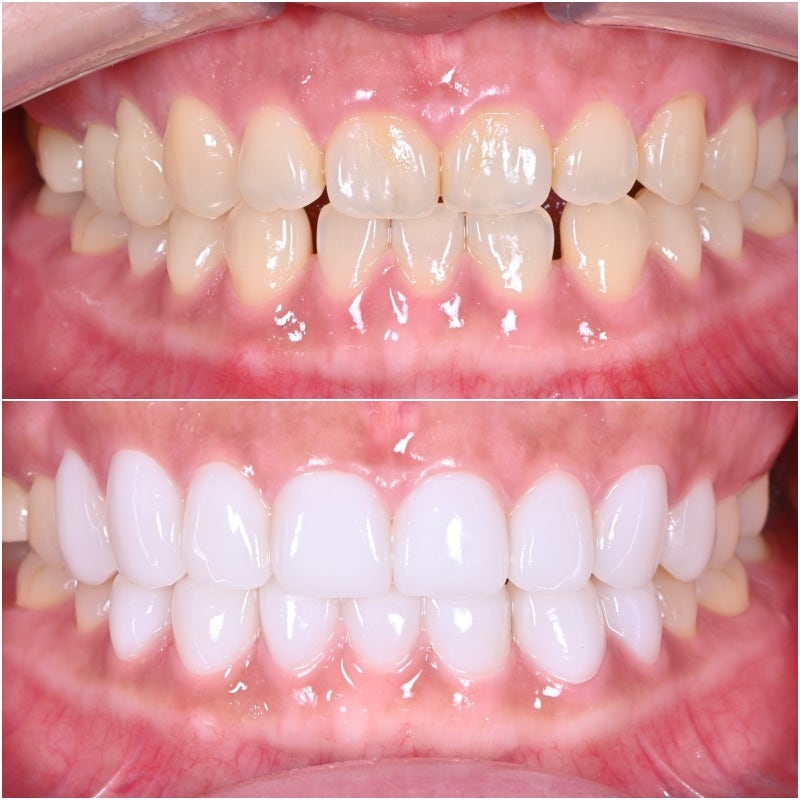
For severe discoloration that doesn't respond well to whitening.When there are gaps between the front teeth.When teeth are slightly small or asymmetrical.When you want to aesthetically reshape chipped or worn front teeth.
However, if you have severe cavities, extensive tooth damage, or require prior orthodontic treatment, other treatments might be necessary instead of laminates. Therefore, we strongly recommend visiting us for a consultation with our experienced medical staff.
Laminate Production Process
So, how are laminates made?
1️⃣ Pre-treatment consultation – We discuss the estimated amount of tooth reduction and general design, considering your face shape, smile line, and tooth alignment.
2️⃣ Minimal or no tooth surface reduction – Teeth are thinly trimmed just enough for the laminate to sit naturally, or in some cases, no reduction is needed.
3️⃣ Impression taking and lab fabrication – Custom ceramic laminates are designed using digital scanning and then fabricated in the lab.
4️⃣ Try-in and bonding – The completed laminate is placed on the tooth, temporarily bonded with various shades of adhesive to check for any adjustments, and then finally bonded with the confirmed adhesive shade.
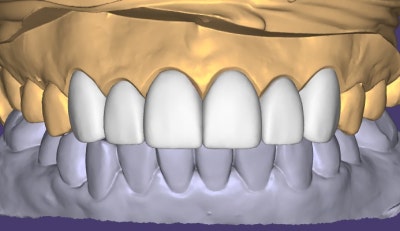
After taking impressions using a digital scanner,
designing with 3D software allows for three-dimensional review.
Laminate Aftercare Instructions

After laminate bonding, temporary discomfort may occur.
As laminates are placed on uneven or recessed teeth, pronunciation and lip support might feel temporarily awkward, but since they are made within acceptable limits, individuals will adapt over time.
1. Oral Hygiene Management
The most crucial factor determining the lifespan of laminates is ‘care habits’.
Use a soft-bristled toothbrush and non-abrasive toothpaste,
and carefully clean the gum line area.
(If plaque is not managed between the gum line and the laminate, gingivitis can occur, causing gum recession and exposure of the margin, or weakening of the laminate bond.)
It is recommended to use auxiliary tools like dental floss and water flossers.
2. Prevention of Mechanical Stress
Laminates are strong but sensitive to repetitive impact.
Avoid biting directly on ice, nuts, or hard candies with your front teeth.
If you have teeth grinding or clenching habits, wearing a custom night guard is recommended.
3. Stain Management
While the laminate itself does not discolor, the bonded area can be affected by food pigments.
After consuming coffee, wine, or smoking, rinse with water to minimize staining.
Regular professional cleaning and polishing can help maintain their luster.
Laminates require periodic checks of their bonding status, occlusal changes, and gum health.
Especially in the initial stages, frequent visits are necessary to stabilize and adjust the newly set occlusion, continuously checking for any discomfort.
By managing minor changes early through regular check-ups every 6 months to 1 year,
you can maintain stable and beautiful results for a longer period.
Many patients who have undergone laminate treatment at our clinic travel from other regions. Due to the distance, they cannot visit frequently, so we meticulously check the occlusion during the initial bonding, but periodic check-ups are still necessary.
What is the lifespan of laminates?
When consulting with patients,
I very often receive the question, ‘Doctor, how many years can I use laminates for?’
For reference, I also had laminates due to microdontia, and I've been using them well without fracture or detachment, even after quite some time.
Typically, the maintenance period for laminates
is aimed at allowing for 10 years or more of use, depending on the care.
Of course, not only laminates but also general prosthetics are recommended for replacement after about 10 years of use.
However, there's no need to unconditionally replace them just because the time has come; if there are no particular problems, you can use them for longer.
Even if the surface luster decreases or wear occurs at the edges,
there are cases where restoration is fully possible with partial repair or polishing alone, without full replacement.
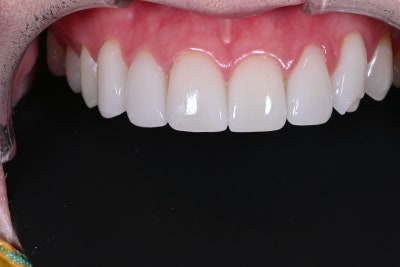
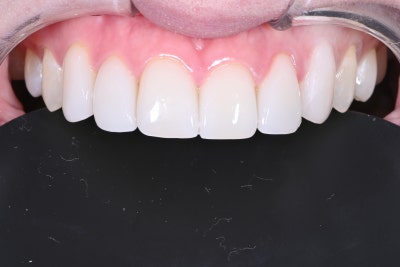
Retreatment of fractured laminate
Having undergone laminate treatment myself and having consulted with many patients about their laminate treatments, the reasons for needing treatment are incredibly diverse, and laminates hold more meaning than simple tooth whitening.
I believe laminates are more than just making teeth pretty;
they are a procedure that boosts confidence in daily life by creating a confident smile and a bright impression.
Laminate treatment is not just about making and bonding; it is when accurate diagnosis, precise procedure, and meticulous aftercare come together
that a natural and harmonious smile is truly completed.
Bareunyoung Dental Clinic at Yaksu Station
is committed to treatment, hoping your smile will shine like new for a long time.
We will be a dental clinic that takes responsibility for your dental health, becoming your primary dentist rather than just finishing with bonding.
Thank you^^
We believe that proper treatment leads to proper results.My desired dental clinic is one where all those who visit with worries can leave with peace of mind, a trustworthy dental clinic. - Bareunyoung Dental Clinic
This post was written directly by Bareunyoung Dental Clinic in compliance with medical information provision (Article 56, Paragraph 1 of the Medical Act).

Frequently Asked Questions
In what cases are laminates performed?
Laminates can be considered for severe discoloration that is difficult to whiten, gaps between front teeth, small or asymmetrical teeth, or when you want to reshape chipped or worn front teeth. However, if there are severe cavities or extensive tooth damage, other treatments may be necessary, so consultation is important.
How should I care for my laminates after the procedure?
After laminate treatment, oral hygiene management, prevention of mechanical stress, and stain management are crucial. Use a soft-bristled toothbrush and non-abrasive toothpaste, avoid consuming hard foods, and rinse with water after consuming stain-causing foods.
What is the average lifespan of laminates?
The average lifespan of laminates is designed to last 10 years or more, depending on the care. If there are no problems, they can be used for longer, and regular check-ups every 6 months to 1 year are important for managing minor changes.
Is tooth reduction always necessary for laminate treatment?
No, tooth reduction is not necessary in all cases. Laminates can be thinly trimmed just enough to sit naturally, or in some cases, performed without any reduction. This is determined through a pre-treatment consultation.
Can I experience discomfort after laminate bonding?
Yes, temporary discomfort may occur after laminate bonding. Due to changes in tooth alignment, pronunciation or lip support might feel awkward, but most individuals adapt over time.
What should I do if my laminate fractures?
If a laminate fractures, or if the surface luster decreases and wear occurs at the edges, there are cases where restoration is fully possible with partial repair or polishing alone, without full replacement. It is best to consult with your dental professional for appropriate action.