2026-09-07
Yaksuyeok Dental Clinic, Temporomandibular Joint Disorders (Botox Treatment)
Learn about Botox treatments for TMJ disorders at Yaksuyeok Dental Clinic. Beyond aesthetics, Botox is used therapeutically to alleviate pain, reduce teeth grinding, and prevent tooth fractures by relaxing jaw muscles.
Hello.
I’m Dr. Kim Tae-young, director of Yaksuyeok Dental Clinic / Bareunyoung Dental Clinic.^^
Recently, we've had patients frequently visiting our clinic due to temporomandibular joint (TMJ) related disorders.
So today, I’d like to discuss TMJ-related treatments using Botox.
When you hear ‘Botox treatment,’ you might commonly think of cosmetic procedures,
but within the dental field, it's used not only for aesthetics but also for therapeutic purposes.
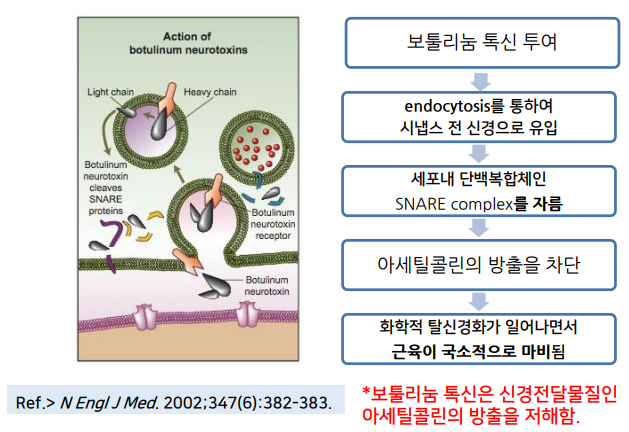
To briefly explain its mechanism of action, Botox reduces the contractile movement of the targeted muscle.
Let me explain examples of Botox use in dental treatment.
Use of Botox in TMJ-related disorders
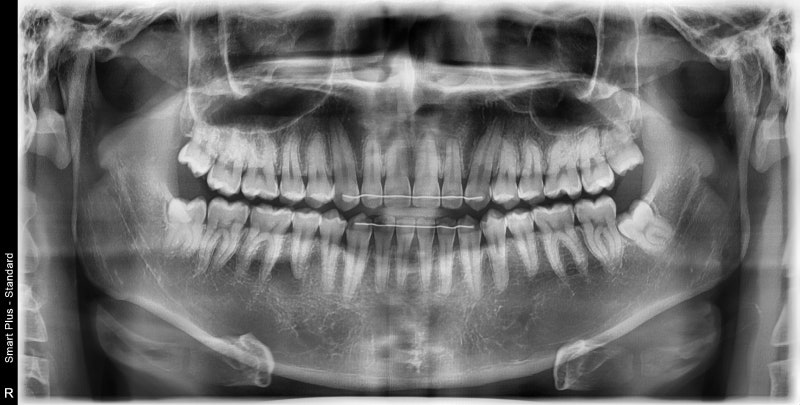
This patient came in complaining of jaw pain.
Through consultation and palpation, we identify the problematic area and take TMJ radiographs to confirm if the TMJ is the issue.
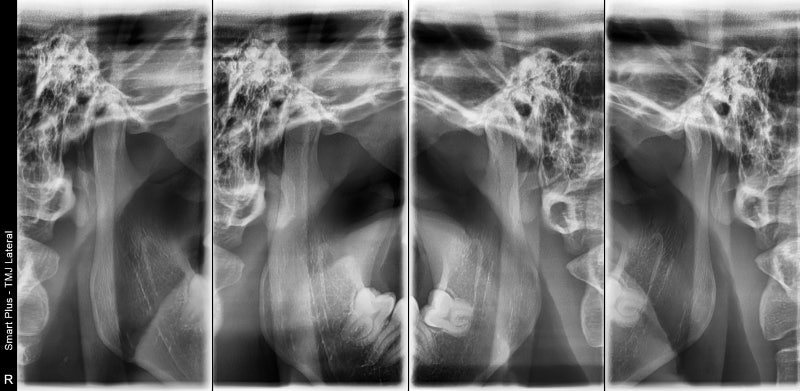
The photo above is taken to check the position of the TMJ when we open and close our mouths.
After confirming that there are no abnormalities in the TMJ from this image, we palpate to check for muscle-related issues.
There are a total of four muscles in our face involved in mastication.
However, the muscles primarily used for Botox treatment are the masseter and temporalis muscles.
Among these, Botox injections are mainly applied to the masseter muscle, and if there's no improvement, injections are then given to the temporalis muscle.
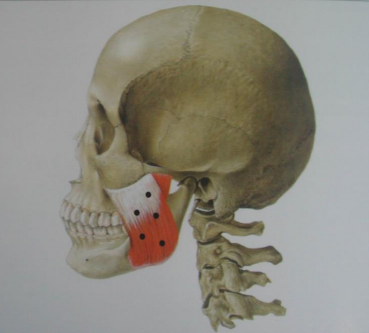
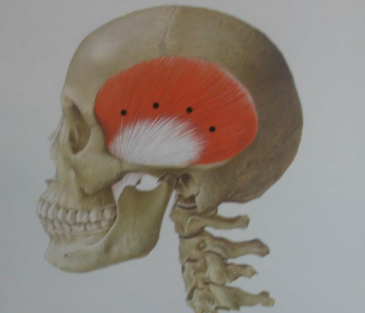
The injection points are determined based on the muscle's distribution and thickness.
This Botox treatment is also effective for bruxism (teeth grinding).
The effects of Botox begin to appear 1-2 weeks after injection and last for about 3-6 months.
Botox is possible in most cases, but it is not recommended for:
- Patients taking certain types of antibiotics
- Pregnant or breastfeeding women
- Patients with musculoskeletal disorders
- Pediatric patients
These four cases are not advised.
Use of Botox for developed masticatory muscles
Let's look at cases where Botox is used for treatment other than TMJ-related issues.
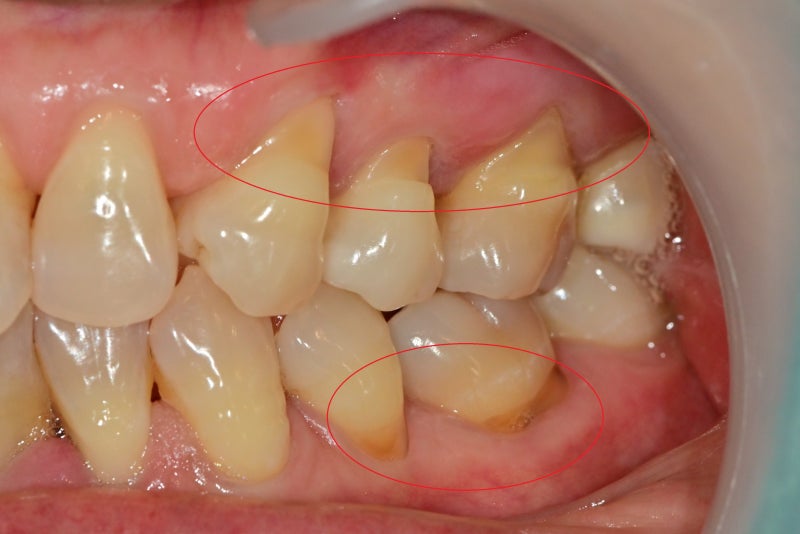
In such cases, due to strong occlusal forces, repeated tooth fractures frequently occur.
Most people with this condition have significantly developed masseter muscles in the jaw area, leading to strong occlusal forces.
By reducing the mobility of the masseter muscle using Botox, the occlusal force decreases, which helps preserve the teeth.
Thus, in dentistry, Botox is used not only for cosmetic purposes but also for therapeutic ones.
By injecting Botox in the correct dosage and area, it is utilized for both aesthetics and treatment,
and it plays a very important role within dentistry.
We've explored cases of Botox use in dentistry.
If you are experiencing similar discomfort, we recommend consulting a dentist.
Thank you!^^
Frequently Asked Questions
Is Botox also used in dental treatment?
Yes, Botox is used in the dental field not only for cosmetic purposes but also for therapeutic ones. It is primarily utilized in various cases such as TMJ-related disorders, bruxism (teeth grinding), and preventing tooth fractures due to developed masticatory muscles, helping to reduce excessive muscle contraction.
What are the effects of TMJ Botox treatment?
TMJ Botox treatment helps alleviate TMJ pain and improve bruxism symptoms by reducing the contractile movement of the targeted muscles. Additionally, it can reduce the mobility of strongly developed masticatory muscles, which is expected to prevent repeated tooth fractures.
How long do the effects of Botox last?
The effects of Botox begin to appear 1-2 weeks after injection and typically last for about 3-6 months. The duration of treatment effects can vary individually, so it is best to consult with your medical professional to determine the appropriate timing for re-treatment.
Are there cases where Botox treatment cannot be received?
Yes, Botox treatment is not recommended for patients taking certain types of antibiotics, pregnant or breastfeeding women, patients with musculoskeletal disorders, and pediatric patients. It is essential to accurately inform your medical professional about your health condition before treatment.
Which muscles are primarily injected during TMJ Botox procedures?
During TMJ Botox procedures, injections are primarily given to the masseter muscle, which is involved in mastication. If there is no improvement after masseter injection, injections may also be given to the temporalis muscle. The injection points are determined based on the muscle's distribution and thickness.