2026-09-03
Aegyo-sal Fat Grafting vs. Aegyo-sal Filler: Which is More Natural? Duration and Side Effects Explained
This article compares aegyo-sal fat grafting and filler, detailing their principles, naturalness, duration, and potential side effects to help you choose the best option.
※ This article is intended to provide medical information.
It is not subject to review under Article 56, Paragraph 2 and Article 57 of the Medical Service Act,
and is not an advertisement unrelated to the content of the review.
Aegyo-sal Fat Grafting vs. Aegyo-sal Filler: Which is better?
Hello,
I am Dr. Park Jung-geun,
Director of Face Plus Plastic Surgery Clinic.

Aegyo-sal is an area where even a small difference can significantly change one's impression,
so the criterion of ‘naturalness’ is particularly important.
Many people wonder which method, aegyo-sal fat grafting or aegyo-sal filler, is more natural,
so I will summarize the differences based on actual clinical practice.

Table of Contents | ||
1. Differences in Basic Principles of Aegyo-sal Filler and Fat Grafting 2. Key Differences in Terms of Naturalness 3. Duration and Need for Repeat Procedures 4. Side Effects and Points to Watch Out For |
1. Aegyo-sal Filler vs. Fat Grafting: Differences in Basic Structure
Aegyo-sal filler is a method that uses hyaluronic acid to
add volume under the eyes.
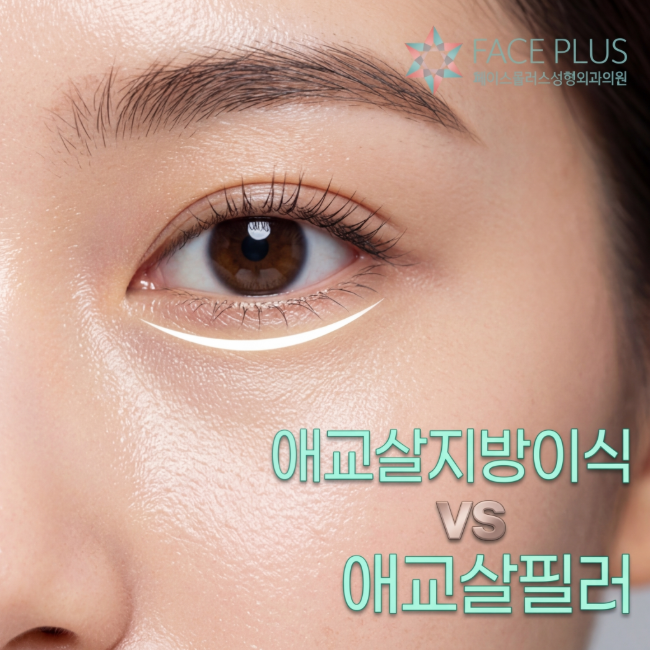
It is characterized by a short procedure time and relatively easy design modification.
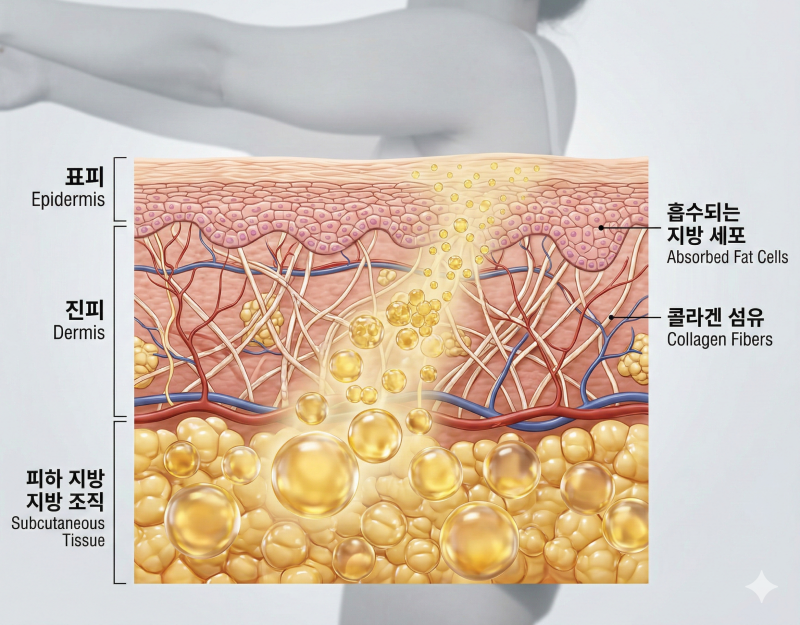
On the other hand, aegyo-sal fat grafting is a method of harvesting one's own fat and
transplanting it.
The difference is that it's not just about filling; once engrafted, it settles in like tissue.
This difference directly affects naturalness and duration.
2. Naturalness Criterion: Which case is more advantageous?
When considering naturalness alone, the results vary depending on the situation.

With fillers, the line is clearly defined immediately after the procedure,
so it looks natural with moderate volume, but if overfilled, it can create a protruding look even without smiling.
Fat grafting blends with the tissue during the engraftment process,

making it more advantageous for naturalness that moves with facial expressions.
However, since the engraftment rate is not consistent, there can be left-right differences or insufficient volume,
making it difficult to expect perfectly balanced results from the start.
Design control → Filler
Naturalness with expressions → Fat grafting
These criteria often divide the choices.
3. Duration: What is the actual difference?
Fillers usually last for about 6 months to 1 year.
While there are differences depending on the product and individual metabolism, they are gradually absorbed.
Engrafted fat from fat grafting is maintained long-term.
However, some of the initially grafted fat is absorbed, so 1-2 additional procedures may be necessary.
In anti-aging procedures, the fact that ‘the duration is longer once the tissue settles’ is important,
and similarly, fat grafting can be maintained relatively stably after engraftment.
4. Side Effects: Common Concerns
For fillers, the most important things to watch out for are unnatural protrusion due to over-injection, and rarely, vascular problems.

For fat grafting, rather than major side effects,
differences in engraftment rate,
left-right asymmetry,
and an uneven feeling
are more common.
Also, because the skin under the eyes is thin,
excessive volume, regardless of the method, can easily become noticeable.
Therefore, in reality, ‘where and to what extent it is placed’ determines the result,
rather than ‘how much is injected.’
Aegyo-sal is not just about filling volume; the key is to create a structure that naturally rises when smiling.
If you want a quick and controllable method, filler is suitable.
If you prioritize naturalness that moves with expressions, fat grafting
can be a more appropriate choice, respectively.
-Operating Hours-
Weekdays 9:00 ~ 18:00 Saturdays 9:00 ~ 16:00 Public Holidays / Sundays Regular closure |
-Contact Us-
Face Plus Plastic Surgery Clinic | ||
Consultation Phone: 02-541-8500 Inquiries: KakaoTalk Inquiry |
-Directions-
Aegyo-sal Fat Grafting vs. Aegyo-sal Filler
Frequently Asked Questions
What are the basic principles of aegyo-sal filler and fat grafting?
Aegyo-sal filler uses hyaluronic acid to add volume under the eyes. In contrast, aegyo-sal fat grafting involves harvesting and transplanting one's own fat, differing in that it doesn't just fill but settles in like tissue once engrafted.
Which method is more natural for aegyo-sal procedures?
Naturalness varies depending on the situation. Fillers appear natural with moderate volume but can protrude if overfilled. Fat grafting is more advantageous for naturalness that moves with facial expressions after engraftment.
How long do aegyo-sal fillers and fat grafts last?
Aegyo-sal fillers typically last 6 months to 1 year and are gradually absorbed. Engrafted fat from fat grafting is maintained long-term, but some of the initially grafted fat may be absorbed, requiring 1-2 additional procedures.
What are the potential side effects of aegyo-sal procedures?
For fillers, the main concerns are unnatural protrusion due to over-injection and, rarely, vascular problems. For fat grafting, more common issues include left-right asymmetry and an uneven feeling due to differences in engraftment rate.
Which method is better for controlling the design of aegyo-sal?
Fillers are more advantageous for design control. Fillers have a short procedure time and are relatively easy to modify, making them good for achieving a clear desired line.
Which procedure is better for naturalness with facial expressions?
Fat grafting is better for naturalness that moves with facial expressions. Fat grafting blends with the tissue during the engraftment process, making it advantageous for creating a structure that naturally rises when smiling.