2026-09-03
Aptos vs. Ultherapy: Key Points for Determining Lifting Effectiveness
This article compares Aptos and Ultherapy, two popular lifting procedures, explaining their different principles, effects, and suitability for various facial conditions. It emphasizes the importance of accurate diagnosis over procedure name for optimal results.
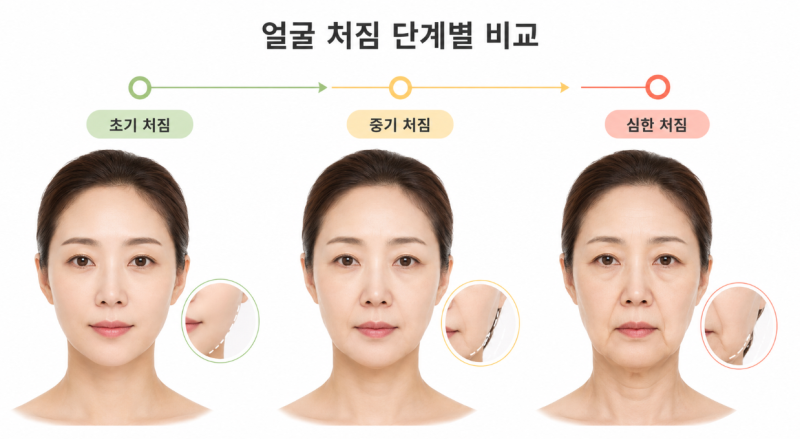
※ This article is intended to provide medical information.
It is not subject to review under Articles 56(2) and 57 of the Medical Act,
and is not an advertising post unrelated to review content.
Hello,
I am Dr. Jung-Keun Park,
Director of Faceplus Plastic Surgery Clinic.

Aptos and Ultherapy are both well-known as representative lifting procedures.
However, rather than choosing based solely on the name, it is much more important to understand the principles by which they improve sagging and which method is more suitable for your face.
In consultations, I often receive questions like:
‘Does Aptos last longer?’
‘Is Ultherapy stronger?’
However, these two procedures are not really comparable because their mechanisms of action are fundamentally different, making it difficult to simply say one is better than the other.
Today, I will easily explain the key points that determine lifting effectiveness by comparing Aptos and Ultherapy.

Table of Contents | ||
1. Differences in the Principles of Aptos and Ultherapy 2. How Do the Lifting Effects Differ? 3. Which Face Type Is More Suitable? 4. The Most Important Factor Determining Effectiveness |
1. Differences in the Principles of Aptos and Ultherapy
Aptos and Ultherapy share the common goal of lifting, but their approaches are entirely different.
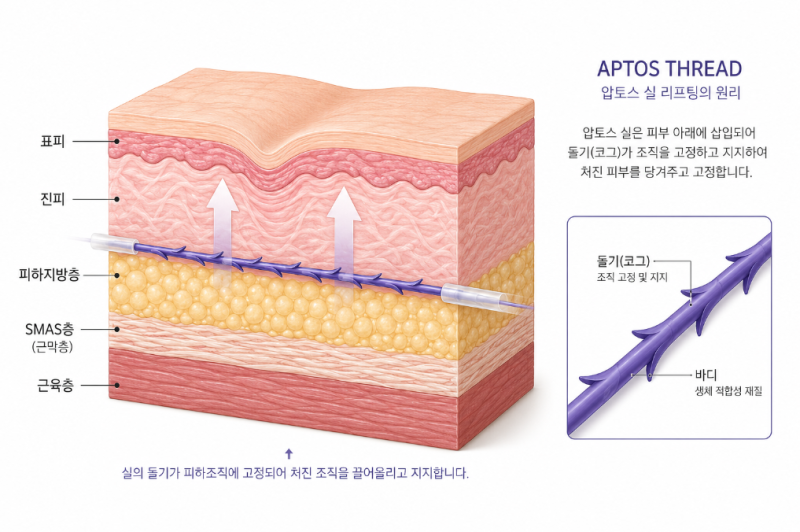
Aptos uses special medical threads to support and pull sagging tissues in the desired direction.
Thus, it can be seen as a procedure that aims for a physical lifting effect.
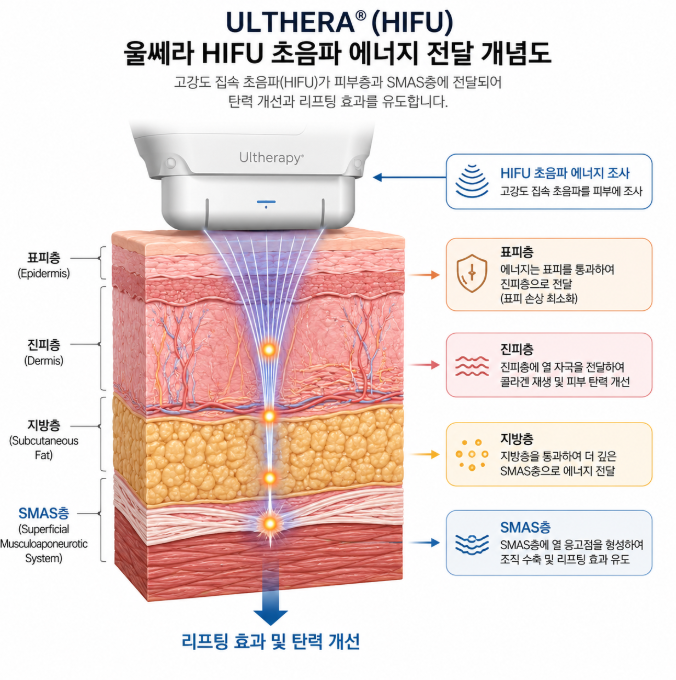
On the other hand, Ultherapy uses high-intensity focused ultrasound (HIFU) to deliver thermal energy to the deep layers of the skin.
This process induces collagen regeneration, leading to improved elasticity over time.
Therefore, the biggest difference when comparing Aptos and Ultherapy lies in whether it is a ‘method of pulling with threads’ or a ‘method of inducing elasticity with ultrasound’.
2. How Do the Lifting Effects Differ?
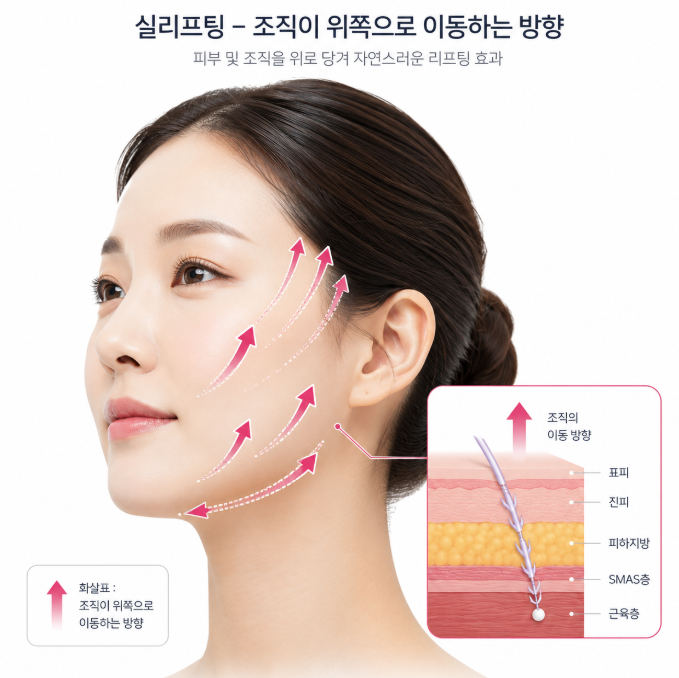
With Aptos,
changes are relatively visible immediately after the procedure.
You can expect an effect that lifts tissues, such as jawline or cheek sagging.
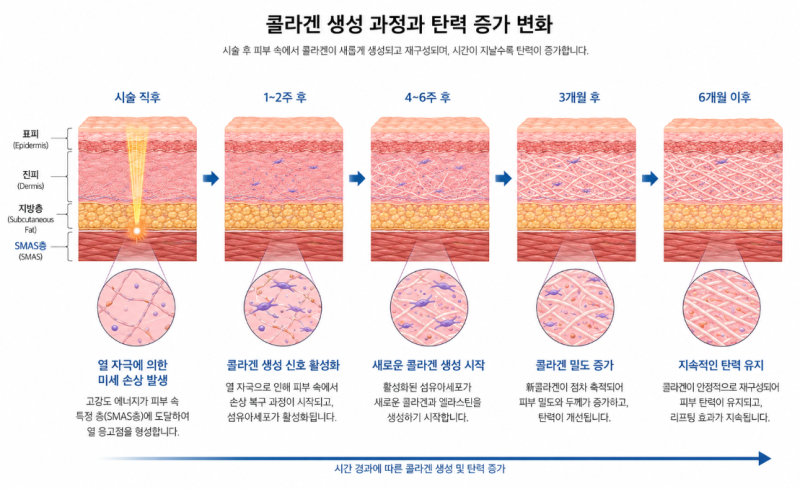
Conversely, Ultherapy often shows gradual changes because it requires time for collagen to generate.
Additionally, some also expect improvements in skin elasticity, reduction of fine wrinkles, and changes in skin texture.
So, when comparing Aptos and Ultherapy, whether immediate lifting is needed or if improved skin elasticity is also desired becomes an important criterion.
3. Which Face Type Is More Suitable?
The same lifting method is not the right answer for everyone.
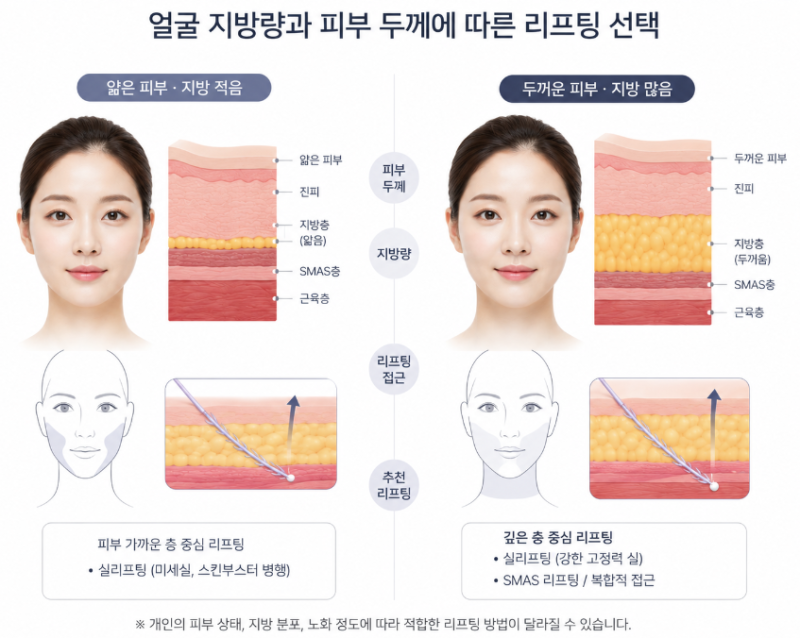
Skin thickness, fat volume, degree of sagging, age, and the desired direction of change must all be considered.
For example,
if there is a lot of cheek fat and prominent sagging, a method that directly supports the tissue can be helpful.
Conversely,
if early aging or loss of elasticity is the main concern, energy-based lifting may be suitable.
Ultimately, what is important in comparing Aptos and Ultherapy is not which procedure is famous, but choosing the one that suits your current facial condition.
4. The Most Important Factor Determining Effectiveness
Many people only compare the duration of the effects.
However, what truly determines the actual results is the diagnosis, more than the name of the procedure.
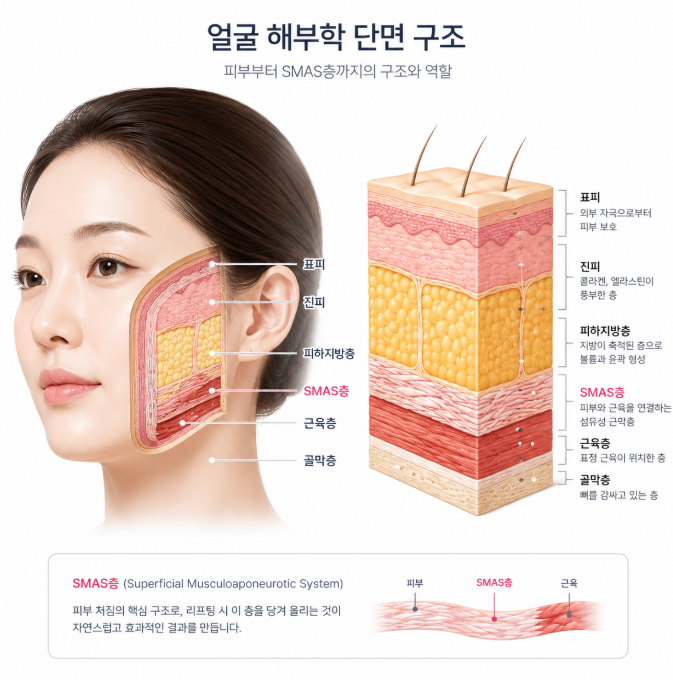
The appropriate method can vary depending on which layer has sagged, how much skin elasticity remains, and the location of fat.
If necessary,
Aptos and Ultherapy can be applied together to leverage each other's advantages.
Ultimately, the core of comparing Aptos and Ultherapy is not about which procedure is superior, but about choosing the method that matches your current facial structure and the cause of aging.
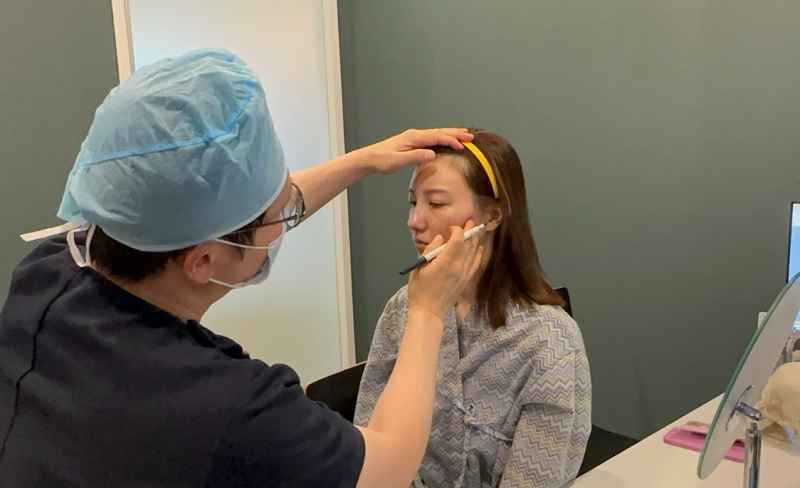
Lifting is not simply pulling the skin; more natural results can be expected when an appropriate method is applied with an understanding of the facial structure.
-Operating Hours-
Weekdays 9:00 ~ 18:00 Saturdays 9:00 ~ 16:00 Public Holidays / Sundays Regular Closure |
-Contact Us-
Faceplus Plastic Surgery Clinic | ||
Consultation Phone: 02-541-8500 Inquiries: KakaoTalk Inquiry |
-Directions-
Frequently Asked Questions
What are the lifting principles of Aptos and Ultherapy?
Aptos uses special medical threads to physically pull and support sagging tissues. Ultherapy, on the other hand, delivers high-intensity ultrasound energy to the deep layers of the skin to induce collagen regeneration and improve elasticity.
Which procedure, Aptos or Ultherapy, shows more immediate effects?
Aptos pulls sagging tissues immediately after the procedure, so relatively noticeable immediate changes can be expected. Ultherapy requires time for collagen regeneration, so effects appear gradually.
Which procedure is more suitable for someone with a lot of cheek fat and severe sagging?
For individuals with a lot of cheek fat and prominent sagging, Aptos, which directly supports and pulls the sagging tissue, can be helpful. This is because it provides a physical lifting effect.
What effects can be expected from Ultherapy?
Ultherapy induces collagen regeneration in the deep layers of the skin, leading to gradual improvements in skin elasticity, reduction of fine wrinkles, and changes in skin texture. It focuses on overall skin elasticity enhancement rather than immediate pulling.
Can Aptos and Ultherapy be performed together?
Yes, it is possible. Depending on the need, Aptos and Ultherapy can be applied together to leverage the advantages of each procedure and achieve more effective lifting results. This is determined based on the individual's facial condition.
What is the most important factor when choosing a lifting procedure?
The most important factor when choosing a lifting procedure is an accurate diagnosis rather than the name of the procedure. It is crucial to consider which layer has sagged, the skin's elasticity, and the fat's location to select the method that suits your current facial condition.