2026-09-03
Facelift Revision Surgery: Causes of Failure (Unnatural Appearance, Scars) and Optimal Timing
Considering facelift revision surgery? This article explores common reasons for dissatisfaction, such as unnatural results or scarring, and discusses the importance of harmonious design and appropriate timing for revision procedures.
※ This article is for the purpose of providing medical information.
It is not subject to deliberation under Article 56, Paragraph 2 and Article 57 of the Medical Act,
and we inform you that it is not an advertising post unrelated to the content of the deliberation.
Hello,
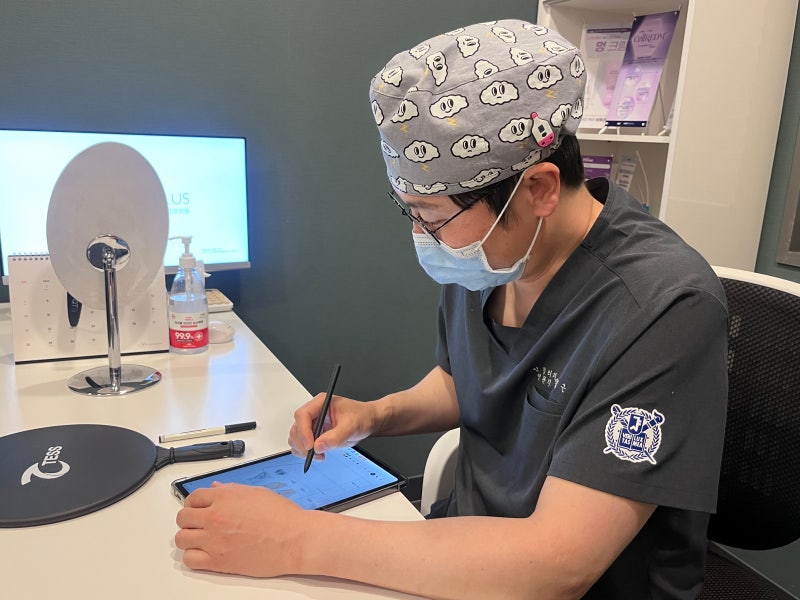
I am Dr. Park Jung-geun, Director of Faceplus Plastic Surgery Clinic,
a specialist in facelift revision surgery.
The reasons for considering facelift revision surgery are
more similar than you might think.
While changes were felt immediately after the procedure,
over time, the impression might remain awkward,
or the facial contours might not have been refined as expected.
In particular, there are many situations where others don't notice, but the individual
continues to be bothered by an unnatural appearance.
In such cases, it's often not that the first surgery completely
failed, but rather,
that the overall facial impression and harmony were not sufficiently considered,
leading to an unsatisfactory outcome.
As a facelift involves significant changes, even a small misalignment can become more noticeable over time.
Therefore, the consideration for an additional corrective procedure often
arises from a gradually accumulated discomfort,
rather than suddenly.
Causes of Failure: Unnatural Appearance and Scars
When examining the causes of failure that lead to additional correction, several common points emerge.
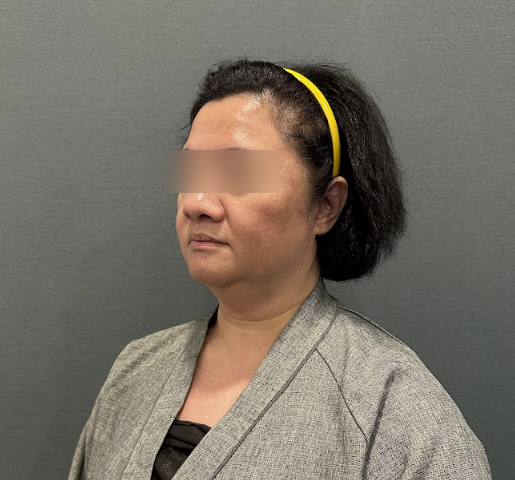
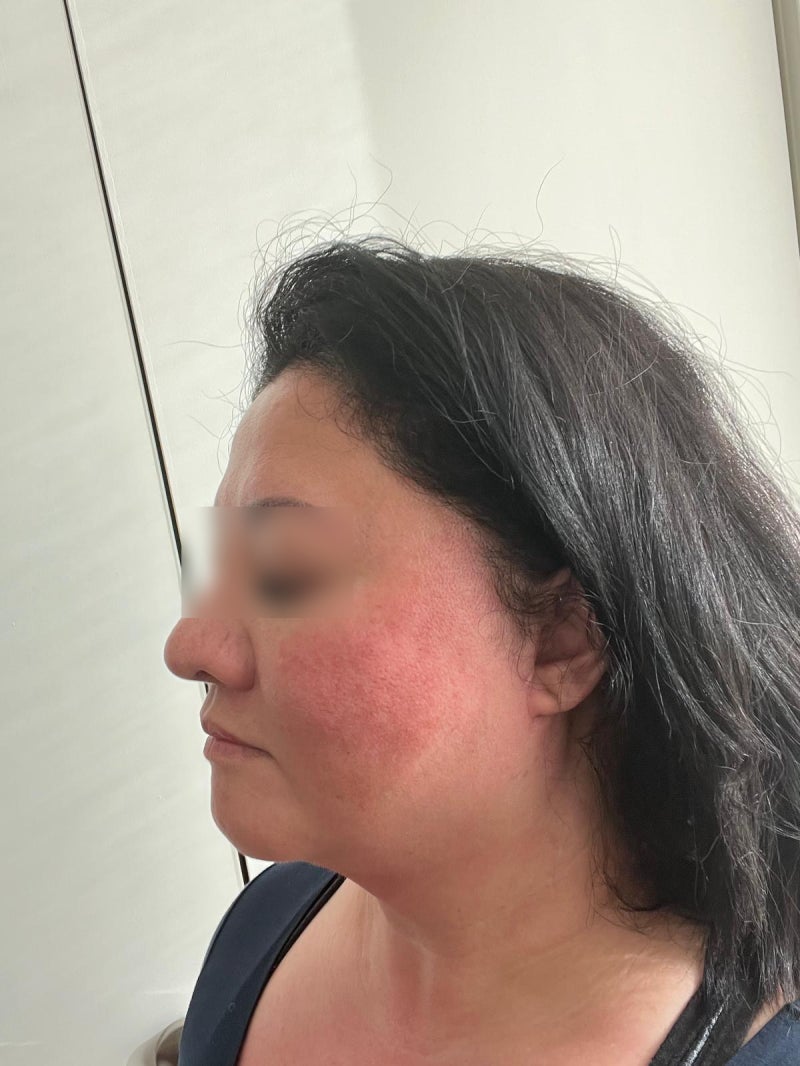
If the pulling was focused only on the skin, or if force was applied in a direction
that didn't align with the facial structure, the expression can easily appear rigid.
In such cases, the change is clear but cannot be naturally
accepted.
Furthermore, dissatisfaction can remain if scar management was not sufficiently
considered during the incision and suturing process.
This is because scars are not merely a matter of visibility;
they can act as a factor that makes the facial impression appear disjointed.
Such failures often occur not due to the magnitude of the result, but when the entire face
is not viewed as a single impression during the planning stage.
When is the Right Time for Additional Correction?
Additional adjustments are not always a readily available option.
After the previous procedure, tissues need time to stabilize,
and if this process is not sufficiently completed, options for the next stage may be limited.
Generally, the decision for revision surgery is made based on when the facial condition has somewhat settled,
and scars and soft tissues have stabilized.
Approaching too early can lead to additional burden,
conversely, if it's delayed too much, aging changes may overlap, requiring a different approach.
This timing is not merely a matter of time;
it is determined through a comprehensive assessment of the current state of the face.
Consistency in Design Becomes Even More Crucial in Additional Correction
Additional correction procedures require a higher level of precision than the first surgery.
This is because the face has already undergone changes once,
and a design that considers the previous results is necessary.
In this process, it is important that the direction of judgment remains consistent
from the initial consultation through the entire procedure.
If the criteria change midway, the results can also be unstable.
When the approach is based on the overall facial impression, and the design prioritizes harmony
over the magnitude of change,
the likelihood of stable results from additional correction increases.
This process should be understood not merely as undergoing surgery again,
but as a process of refining previous results and creating a new balance.
-Operating Hours-
Weekdays 9:00 ~ 18:00 Saturdays 9:00 ~ 16:00 Public Holidays / Sundays Regular closure |
-Contact Us-
Facelift Revision Surgery Faceplus Plastic Surgery Clinic | ||
Consultation Phone: 02-541-8500 Inquiries: KakaoTalk Inquiry |
-Directions-
Frequently Asked Questions
What are the main reasons for considering facelift revision surgery?
Facelift revision surgery is considered when the impression after the first surgery is awkward, the facial contours are not as expected, or the individual feels an unnaturalness that others may not notice. This can occur when the overall facial impression and harmony were not sufficiently considered during the first surgery.
What are the causes of failure in the first facelift surgery?
The main causes of failure in the first surgery include pulling that was focused only on the skin, or applying force in a direction that did not align with the facial structure, leading to a rigid expression. Dissatisfaction can also remain if scar management was not sufficiently considered during the incision and suturing process.
When is the appropriate time for facelift revision surgery?
Revision surgery is determined based on when the tissues have stabilized and scars and soft tissues have settled after the previous surgery. Approaching too early can cause additional burden, and delaying too much can lead to overlapping aging changes that require a different approach. Therefore, it is necessary to comprehensively assess the current facial condition to make a decision.
What is important in facelift revision surgery?
Revision surgery requires a higher level of precision than the first surgery. Since the face has already undergone changes, a design that considers the previous results is necessary, and the direction of judgment must remain consistent from the initial consultation through the entire process. A design that prioritizes harmony based on the overall facial impression is crucial.