2026-09-03
If you're curious about celebrity facelift clinics, here are the key criteria for natural-looking results
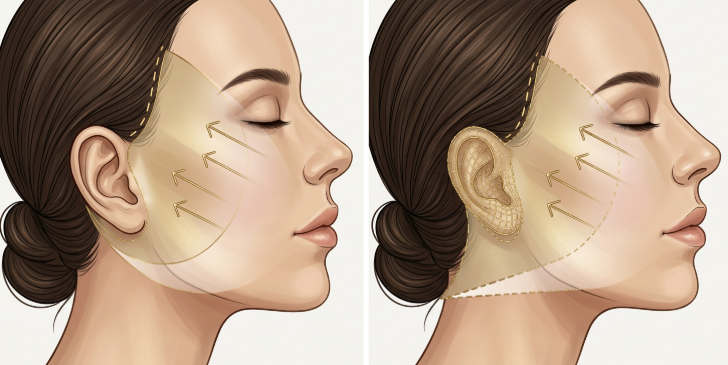
Achieving a natural-looking facelift, like celebrities, hinges on precise surgical design, not just clinic name. It involves repositioning deep tissues, not merely tightening skin, to avoid an 'over-pulled' look and ensure long-lasting, harmonious results.
※ This article is for the purpose of providing medical information.
It is not subject to deliberation under Article 56, Paragraph 2 and Article 57 of the Medical Act,
and we inform you that it is not an advertisement unrelated to the content of the deliberation.
Hello,
I am Dr. Park Jeong-geun,
Director of Faceplus Plastic Surgery Clinic.
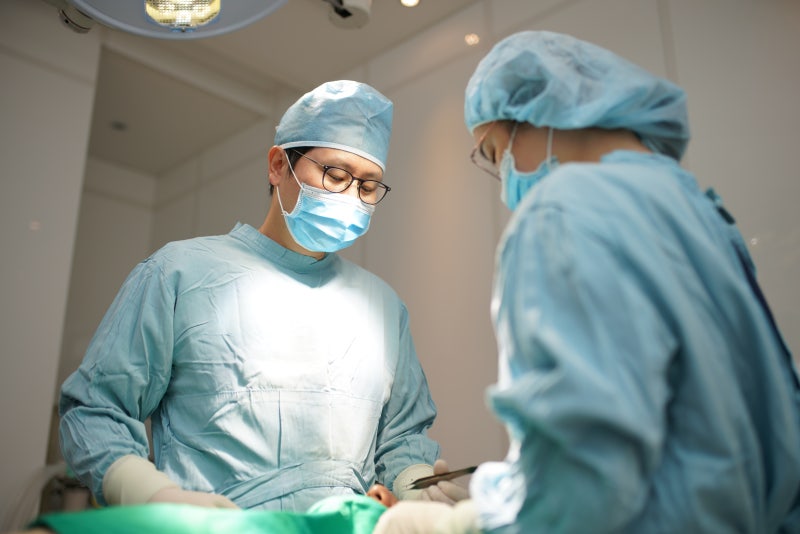
As people age, their jawline blurs and their face
sags overall, leading many to consider a facelift.
Many desire results that look natural, like a celebrity's, without being obvious,
yet still appear defined.
This often leads people to seek out specific clinics,
but the actual factor that creates a difference in results lies in the surgical design method,
rather than the clinic's name.
Even with the same facelift, the naturalness of the results varies greatly depending on which layers are treated and how,
and how the overall facial balance is achieved.
Table of Contents | ||
1. The Core Principle of Natural-Looking Results 2. Problems Caused by Over-tightening 3. Differences in Incision and Scar Design 4. Criteria for Achieving Natural Results |
1. The Core Principle of Natural-Looking Results
A natural facelift is not about aggressively pulling the skin,
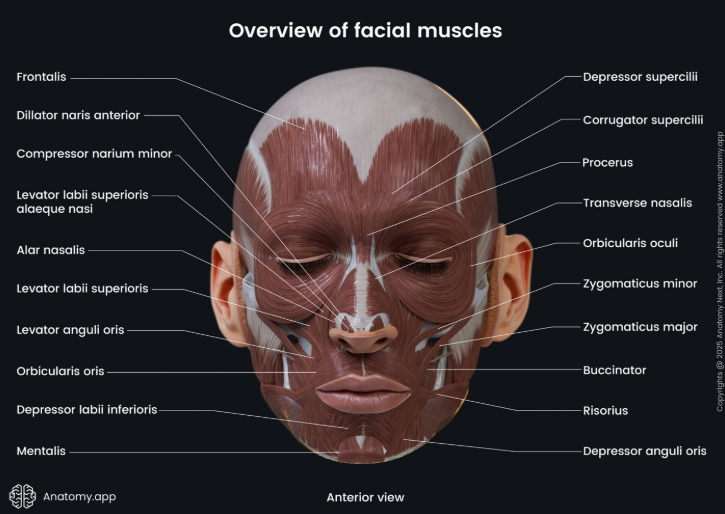
but rather a process of sufficiently dissecting the SMAS layer and retaining ligaments, then repositioning the sagging tissues to their original location.
Simply pulling the skin might make the surface appear taut,
but expressions can look unnatural, and sagging often recurs over time.
Conversely, by accessing deeper layers and reorganizing the structure,
a distinct change can be created without a 'pulled' sensation.
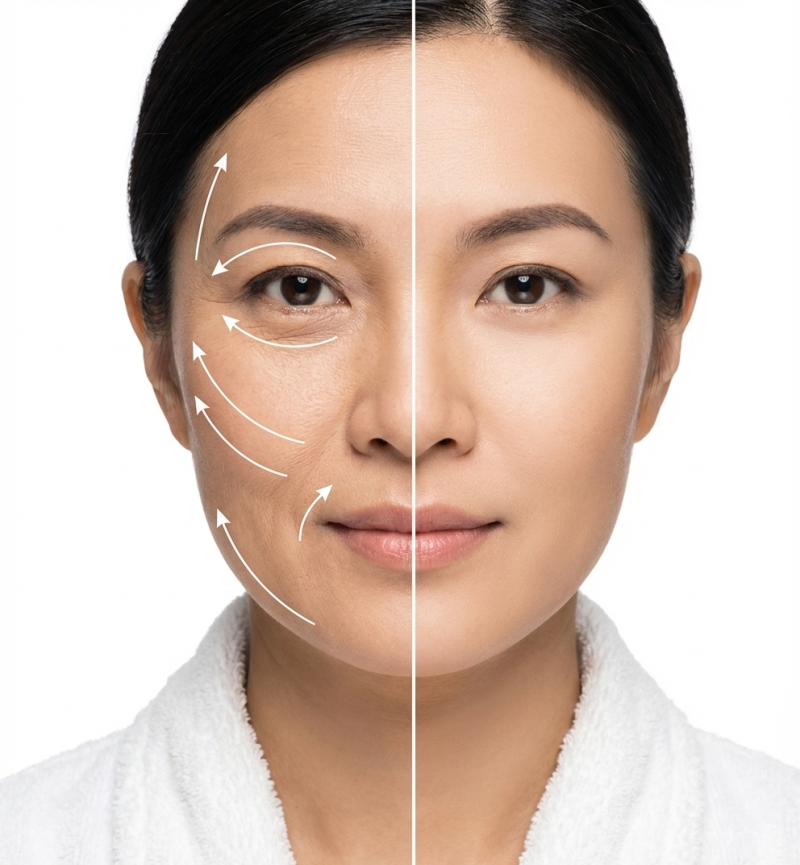
Ultimately, the key is not ‘how tightly it was pulled’ but
‘how accurately the facial structure was understood and repositioned.’
This difference creates results that last over time.
2. Problems Caused by Over-tightening
The most common unnatural appearance in facelifts
stems from excessive tension.
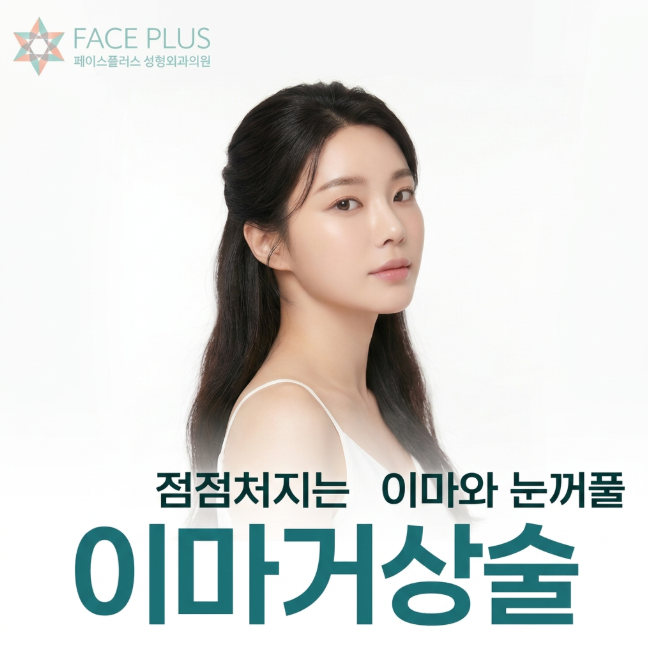
If the jawline is pulled up too high or the area around the mouth feels stretched,
expressions can become awkward.
In particular, if the midface is pulled up excessively, the movement when smiling
can appear unnatural.
Natural results are achieved by applying lifting with different directions and
strengths to each facial area.
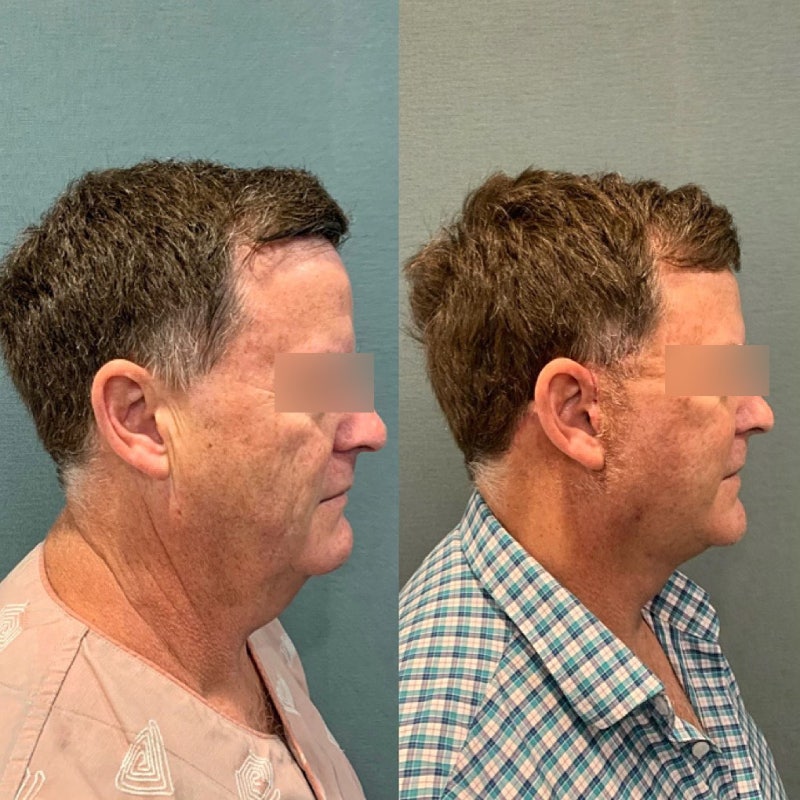
It's crucial to approach it by accurately restoring the sagging position, rather than pulling it tightly,
and designing it to maintain the existing impression rather than creating excessive changes
enhances satisfaction with the results.
3. Differences in Incision and Scar Design
The incision line follows the area around the ear and the hairline,
and the placement of this line determines the completeness of the result.
If one tries too hard to hide the incision line, the hairline may be pulled up or the position of the sideburns may be altered,
conversely, if it's placed too far out, the scar can easily
become exposed.
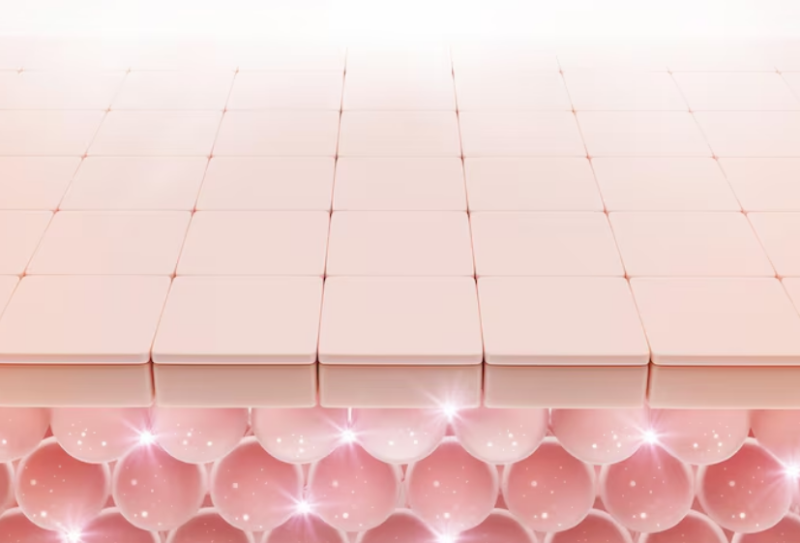
Therefore, it is important to design it to flow naturally, considering the individual's face shape, skin condition, and hair direction.
Properly designed incisions often fade over time
and become largely unnoticeable in daily life.
4. Criteria for Achieving Natural Results
A natural-looking facelift is not just about pulling up sagging areas,
but a process that considers the overall facial proportions.
If only the jawline is refined, the midface might appear sunken,
and conversely, if only volume is added, it can create a heavy impression.
Therefore, it's important to consider fat grafting or liposuction as needed to achieve balance.
Ultimately, good results are determined not by a specific clinic, but by whether the surgery was designed without excess and whether the facial structure was accurately understood.
-Operating Hours-
Weekdays 9:00 ~ 18:00 Saturdays 9:00 ~ 16:00 Public Holidays / Sundays Regular Day Off |
-Contact Us-
Faceplus Plastic Surgery Clinic | ||
Consultation Phone: 02-541-8500 Inquiries: KakaoTalk Inquiry |
-Directions-
Celebrity Facelift Clinic
Frequently Asked Questions
How can I achieve natural-looking results after a facelift that don't appear 'done'?
Yes, it's possible. A natural facelift is not simply about aggressively pulling the skin, but rather involves sufficiently dissecting the SMAS layer and retaining ligaments, then repositioning the sagging tissues to their original location. Accurately understanding and repositioning the facial structure is key to achieving results that don't look 'done'.
Can expressions become unnatural after a facelift?
Yes, if the surgery is performed with excessive tension, expressions can become unnatural. The jawline might be pulled up too high, or the area around the mouth might feel stretched. If the midface is pulled up excessively, movements when smiling can appear awkward. It's crucial to apply lifting with different directions and strengths to each facial area for natural results.
How are scars managed after facelift surgery?
The incision line is designed along the area around the ear and the hairline. It's important to design it to flow naturally, considering the individual's face shape, skin condition, and hair direction. Properly designed scars often fade over time and become largely unnoticeable in daily life.
Is it important to balance the entire face during a facelift?
Yes, it's very important. A natural-looking facelift is not just about pulling up sagging areas, but also considering the overall facial proportions. If only the jawline is refined, the midface might appear sunken, and if only volume is added, it can create a heavy impression. Therefore, fat grafting or liposuction may be performed in conjunction to achieve balance as needed.