2026-09-03
Curious about the effects of a facelift? Here's a summary of post-surgery changes and potential side effects.
This article details the effects of a facelift, including the timeline of changes after surgery and potential side effects, to help you understand the procedure better.
※ This article is intended to provide medical information.
It is not subject to review under Articles 56(2) and 57 of the Medical Act,
and is not an advertisement unrelated to review content.
Can a facelift restore elasticity to sagging skin?
Hello,
I am Dr. Park Jeong-geun,
Director of Faceplus Plastic Surgery Clinic.
The reason facial contours collapse with age is not simply due to weakened skin elasticity.
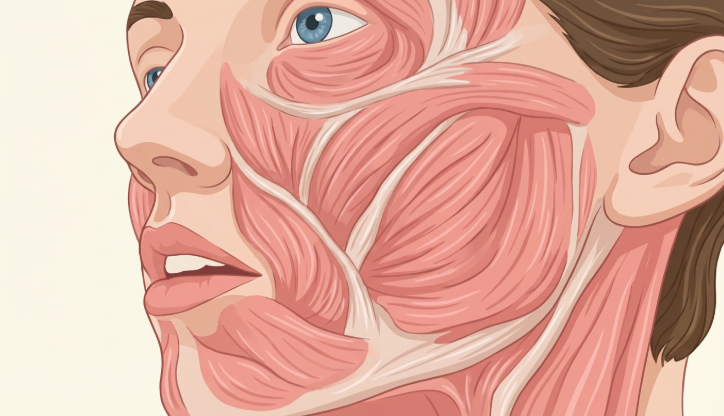
Inside the face, there are the SMAS layer, retaining ligaments, and fat structures,
which are all affected by gravity and descend downwards.
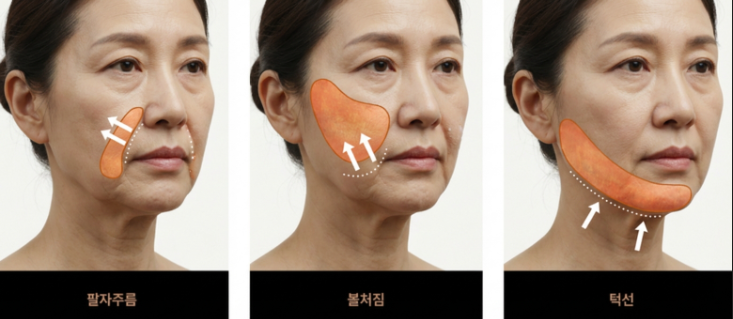
As a result, the jawline often becomes blurred, the area below the cheeks appears heavy, and the nasolabial folds deepen.
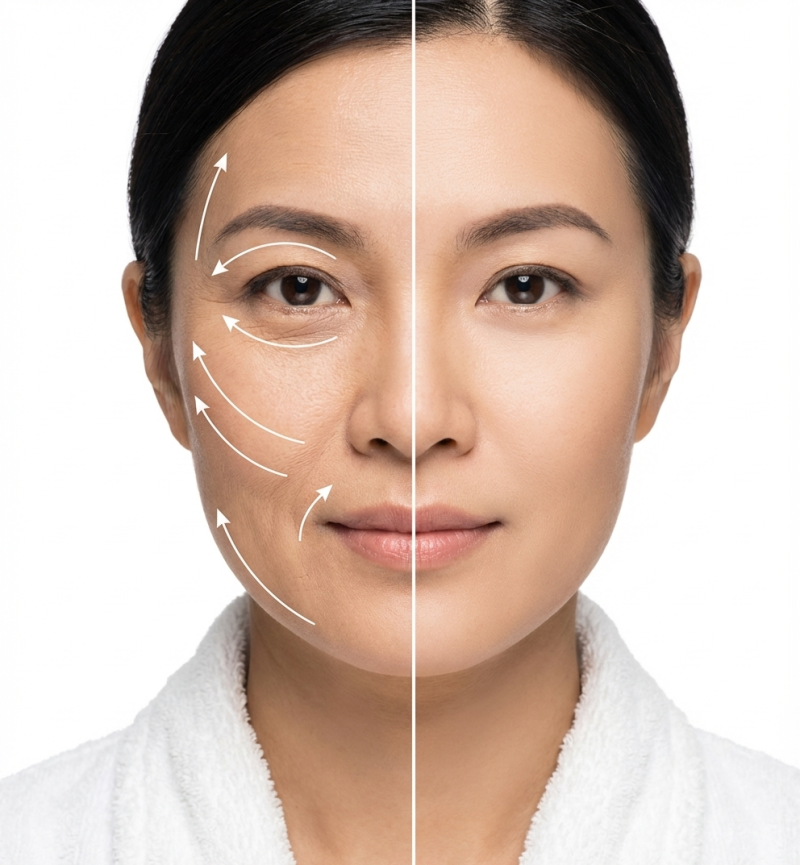
At this point, a facelift is considered.
Especially, methods that correct the SMAS layer together have the characteristic of restoring a more natural contour.
Simply pulling the surface can lead to sagging again over time,
so an approach that addresses the internal structures is important.
Understanding this principle helps to understand why simple lifting and facelift effects differ.
Changes immediately after surgery and during the recovery process
The effects of a facelift often appear in stages.
Immediately after the procedure, the results may appear exaggerated due to swelling and tissue tension.
However, over time, as swelling subsides and tissues stabilize, a more natural contour emerges.
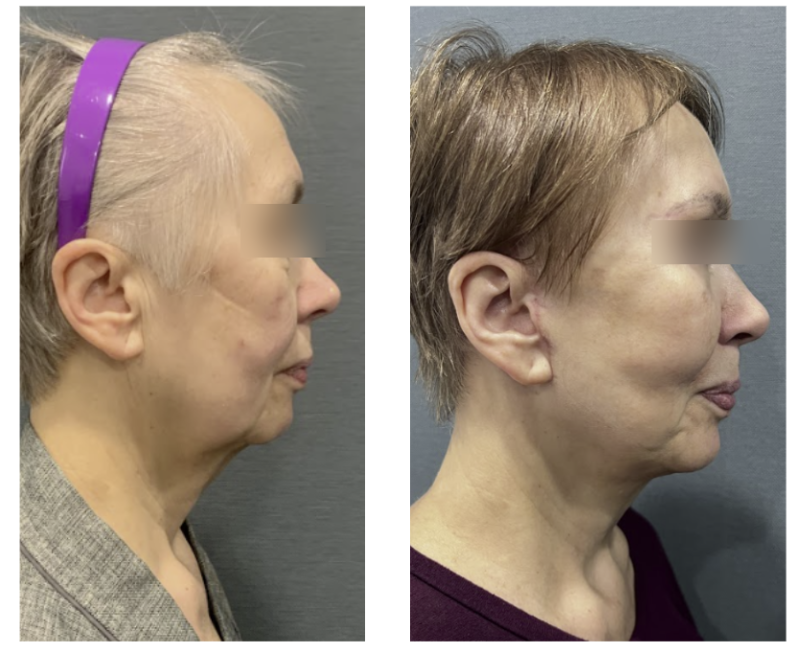
Typically, in the early recovery phase, the entire face may feel slightly firm, and movements might feel awkward.
These phenomena often occur as the tissues adapt to their new position.
In most cases, natural expressions gradually return over time.
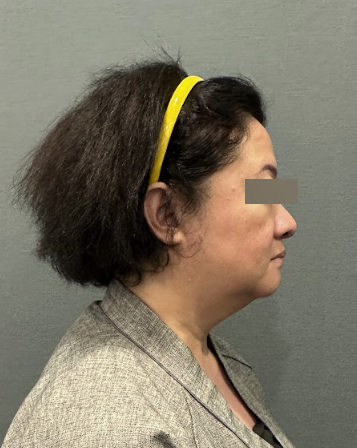
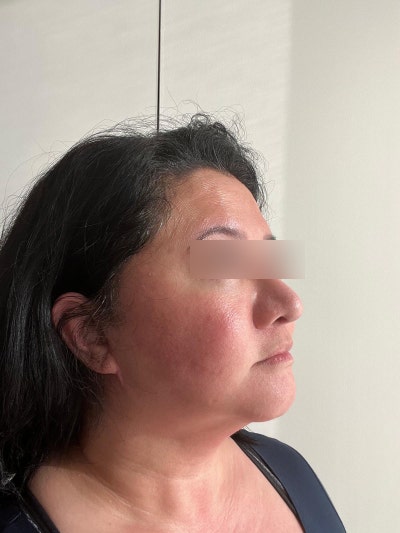
When evaluating the effects of a facelift, it is important to observe the appearance after a certain period, not just immediately after the procedure.
Potential side effects and what to be aware of
As with all medical procedures,
it is necessary to understand the potential for side effects when expecting the effects of a facelift.
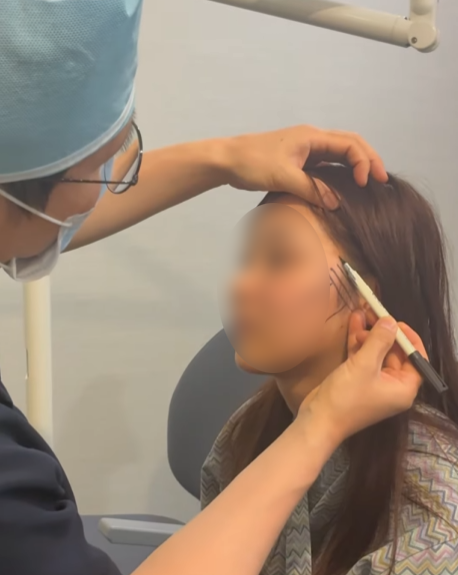
Commonly mentioned issues include swelling, bruising, and temporary changes in sensation.
Most of these naturally subside during the recovery process.
However, if skin tension increases during the tissue pulling process,
expressions may temporarily feel awkward.
Differences may also appear depending on an individual's tissue condition or recovery speed.
Pain can also be felt differently by individuals, but it generally subsides gradually over time.
Since most of these factors are changes that occur during the recovery process,
it is important to observe the progress for a certain period.
Important factors determining the outcome
The effects of a facelift are not solely determined by the strength of the pulling force.
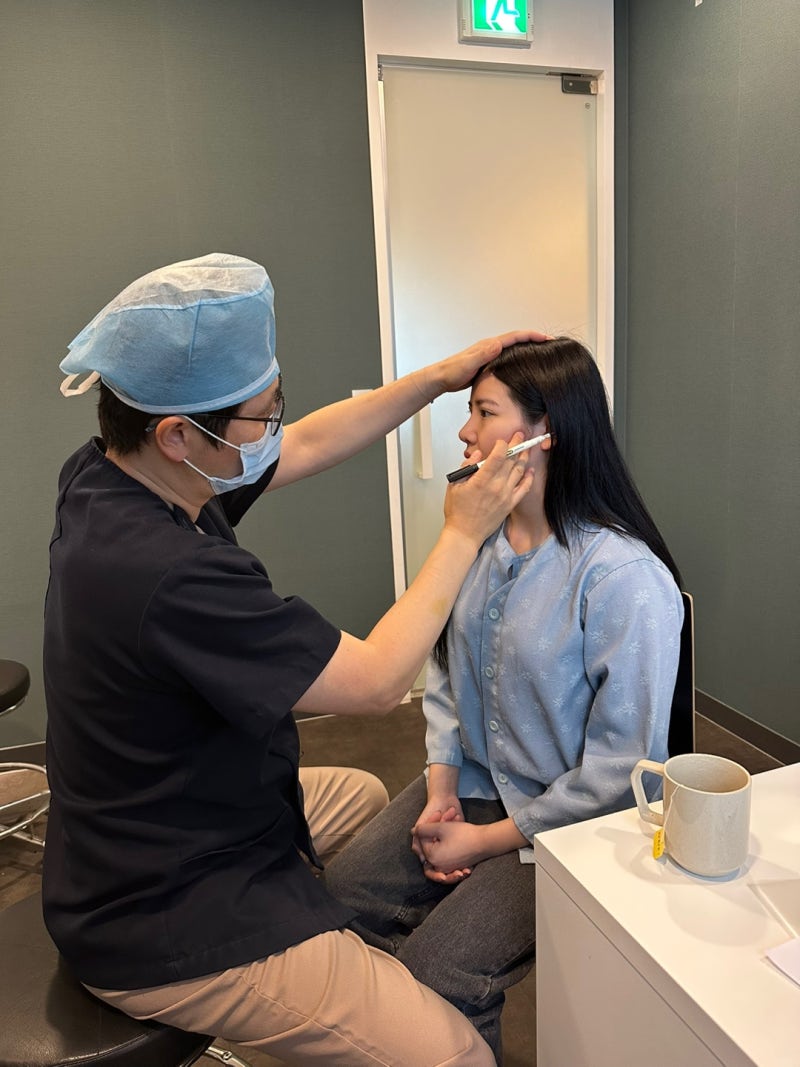
A design that considers facial structure, retaining ligament position, and tissue thickness is important.
In particular, the results can vary greatly depending on the direction in which the tissues are moved.
To create a natural contour, it is necessary to find a direction that suits the individual's face shape, rather than simply pulling upwards.
Furthermore, an excessively tight pull can create an unnatural impression,
so an approach that considers balance is important.
To properly understand the effects of a facelift, it is helpful to look at the recovery process and tissue changes, rather than just a single photo.
Thank you for reading.
-Operating Hours-
Weekdays 9:00 ~ 18:00 Saturdays 9:00 ~ 16:00 Public Holidays / Sundays Regular Day Off |
-Contact Us-
Faceplus Plastic Surgery Clinic | ||
Consultation Phone: 02-541-8500 Inquiries: KakaoTalk Inquiry |
-Directions-
Frequently Asked Questions
What kind of surgery is a facelift?
A facelift is a surgical procedure that restores elasticity to the facial contours by correcting the internal tissues of the face, such as the SMAS layer, retaining ligaments, and fat structures, which have sagged due to aging. It aims for natural changes by addressing the internal structure, not just pulling the skin.
How does a facelift differ from a general lifting procedure?
Unlike general lifting, a facelift corrects the SMAS layer deep within the face. This leads to a more natural restoration of the contours, and there can be differences in the longevity of the effect compared to methods that only pull the surface.
When do the effects of a facelift appear?
The effects of a facelift appear in stages. Immediately after surgery, the results may appear exaggerated due to swelling and tissue tension, but over time, as swelling subsides and tissues stabilize, a more natural contour emerges.
What are the possible side effects after a facelift?
Common side effects after a facelift include swelling, bruising, and temporary changes in sensation. Additionally, increased skin tension during the tissue pulling process may temporarily make expressions feel awkward, but most of these subside naturally during the recovery process.
What changes occur during the recovery process after a facelift?
In the early recovery phase after a facelift, the entire face may feel slightly firm or movements might feel awkward. These phenomena occur as the tissues adapt to their new position, and in most cases, natural expressions gradually return over time.
What are the important factors for natural facelift results?
For natural facelift results, a customized design that considers the individual's facial structure, retaining ligament position, and tissue thickness is more important than just the strength of the pulling force. An approach that considers balance, rather than excessive pulling, is necessary.