2026-09-03
What are the criteria for choosing a good facelift hospital? Facelift surgery methods and consultation checklist
Learn how to choose a good facelift hospital. This article covers facelift surgery methods, focusing on deep plane techniques, and essential consultation checkpoints to ensure natural, long-lasting results.
※ This article is written for the purpose of providing medical information.
It is not subject to deliberation under Article 56, Paragraph 2 and Article 57 of the Medical Act,
and is not an advertisement unrelated to the content of the deliberation.
What are the criteria for choosing a good facelift hospital?
Hello,
I am Dr. Junggeun Park,
Director of Faceplus Plastic Surgery Clinic.

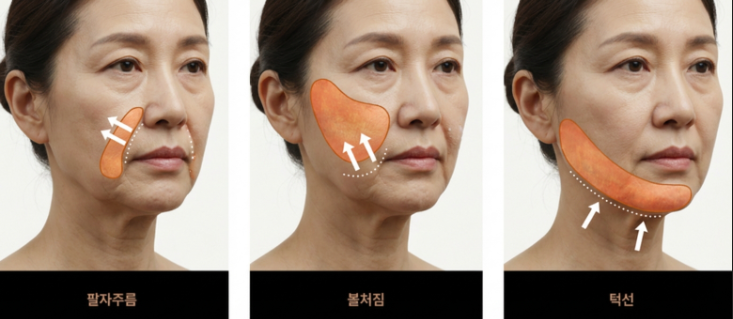
Many people nowadays are concerned about their jawline becoming blurred
and their face appearing longer every time they look in the mirror.
Sometimes it just looks like they've lost weight, and often they hear that their expression looks tired.
At times like these, people consider a facelift, but when they actually look into it,
there are so many hospitals and various methods that it becomes even more confusing.
So today, I will summarize the criteria I often explain during actual consultations.
Table of Contents | ||
1. What does facelift surgery change? 2. Differences according to surgical methods (focusing on deep plane) 3. Key points from papers and clinical practice 4. What to check when choosing a hospital and during consultation |
1. A facelift is not simply a skin-tightening surgery.
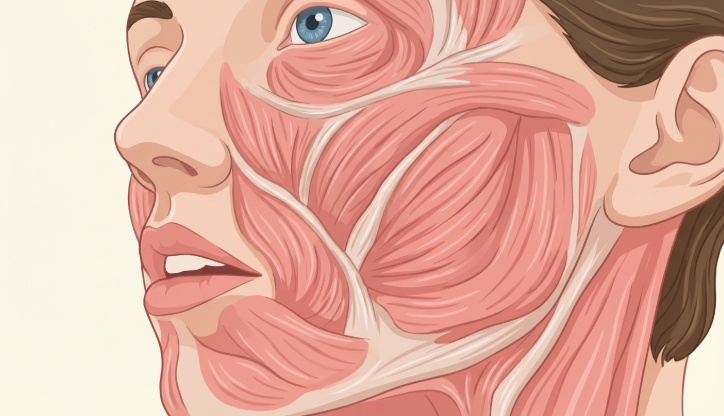
A facelift is not just about pulling the skin; it's a surgery that repositions the deep layers of the face, including the SMAS and soft tissues, upwards.
As we age, the midface tissues descend and gather around the jawline, changing the face into an inverted triangle shape.
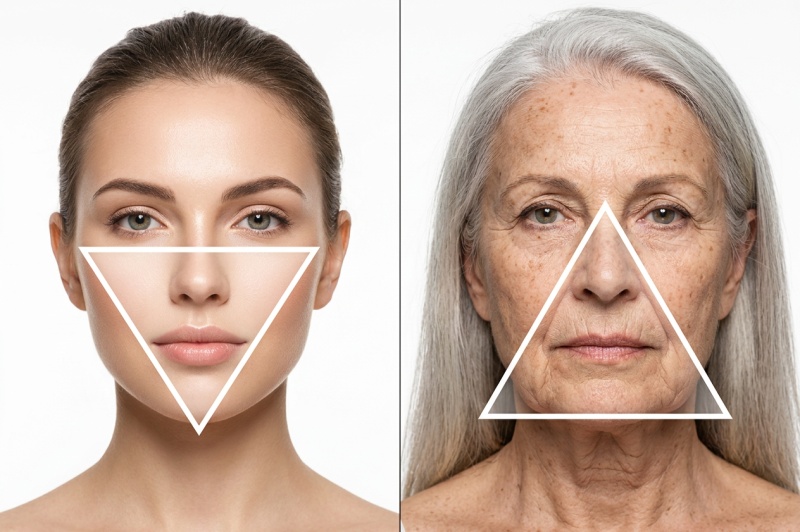
The key is to restore this structure itself.
Therefore, after surgery, it's not just about smoothing out wrinkles;
the sagging cheeks lift, the jawline becomes defined, and the facial proportions themselves change.
If this part is not understood and the approach is simply 'a pulling surgery', the results may look unnatural.
2. Deep Plane Facelift: Why is it so widely discussed?
The deep plane facelift is a method that has been frequently mentioned recently.
This method involves dissecting below the SMAS layer to move the deep structures together.
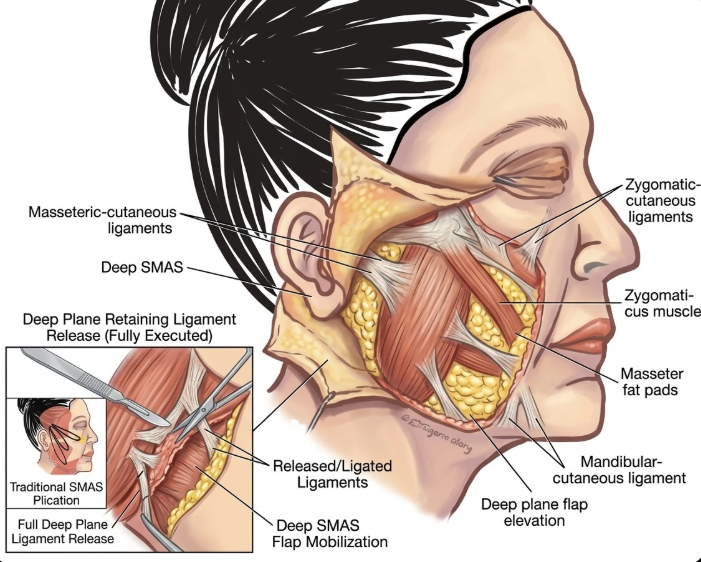
In practice, this method ensures that the skin and muscles move together, maintaining a natural look even with changes in expression.
Furthermore, reports published in journals like JAMA Facial Plastic Surgery indicate that the deep plane method, which involves sufficient dissection of the retaining ligaments, provides more stable lifting and natural results.
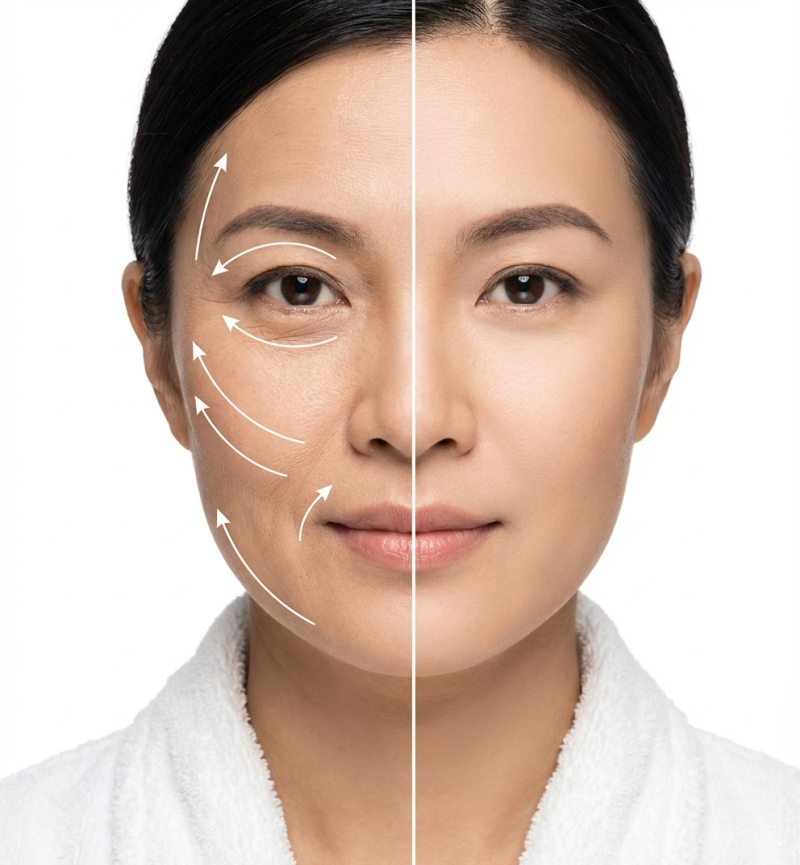
The important concept is not simply ‘pulling tightly’ but ‘repositioning to the original location’.
3. Common crucial points in papers and clinical practice
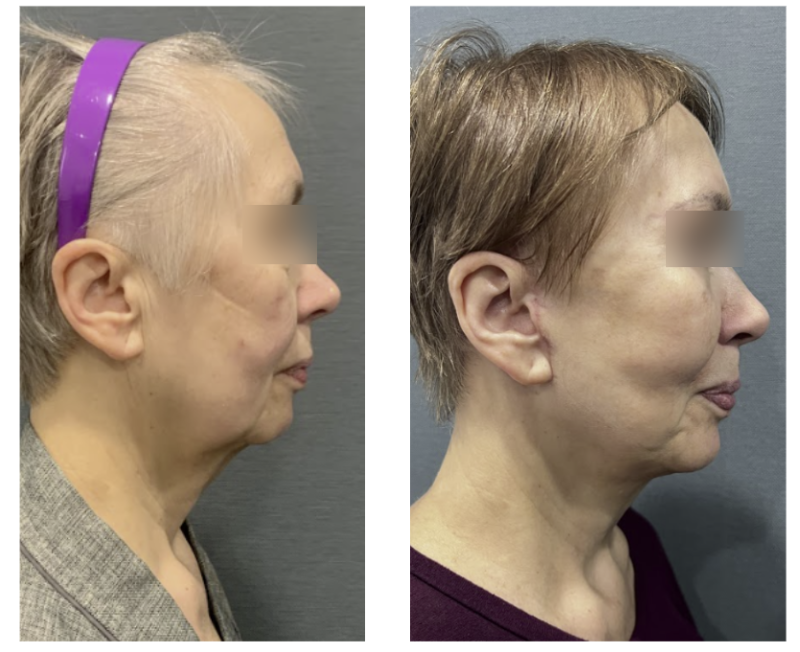
The naturalness and longevity of facelift results largely depend on which layer is addressed.
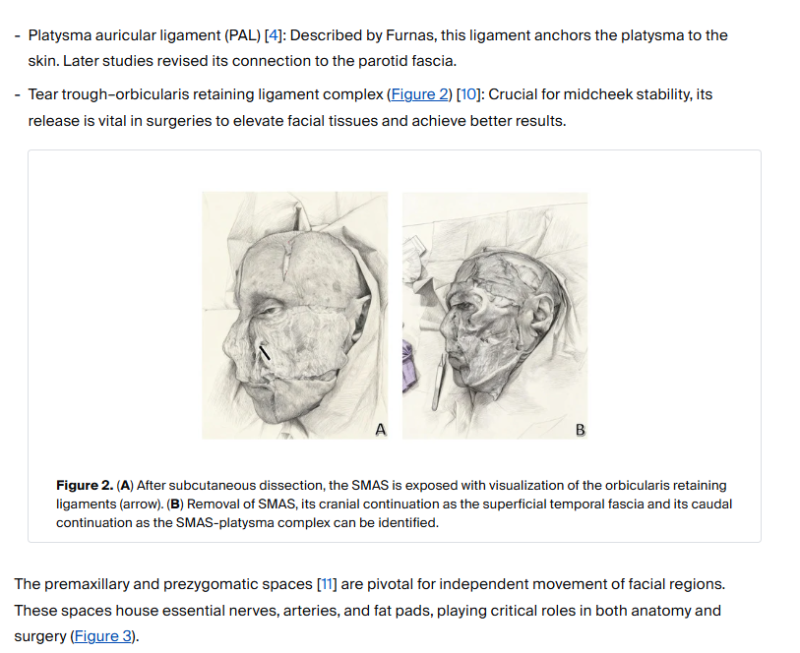
Methods that only pull the visible skin may show initial changes but often sag again over time, and expressions can look awkward.
Conversely, an approach that moves the SMAS layer and the structures beneath it together is advantageous for creating natural results that move with facial expressions.
In clinical practice related to facelifts, it is repeatedly mentioned that dissecting the retaining ligaments sufficiently and repositioning the deep layers yields stable results.
Furthermore, facial tissue is not simply a single mass but a structure with movement between layers.
Understanding and approaching this space is known to be an important factor in reducing side effects and ensuring stable recovery.
Ultimately, what matters is not how strongly it's pulled, but how accurately it's returned to its original position.
4. Criteria for choosing a good facelift hospital and what to check during consultation
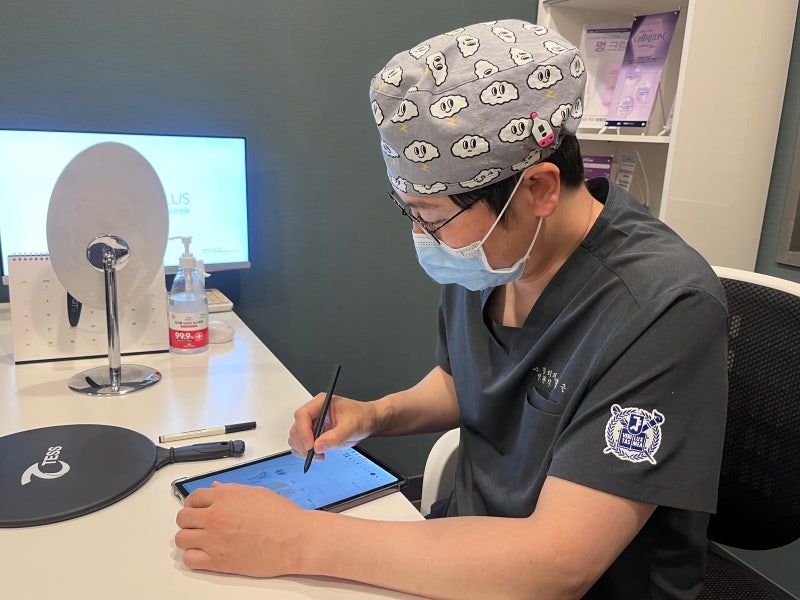
When you have consultations, you'll notice that the depth of explanation varies quite a bit from hospital to hospital.
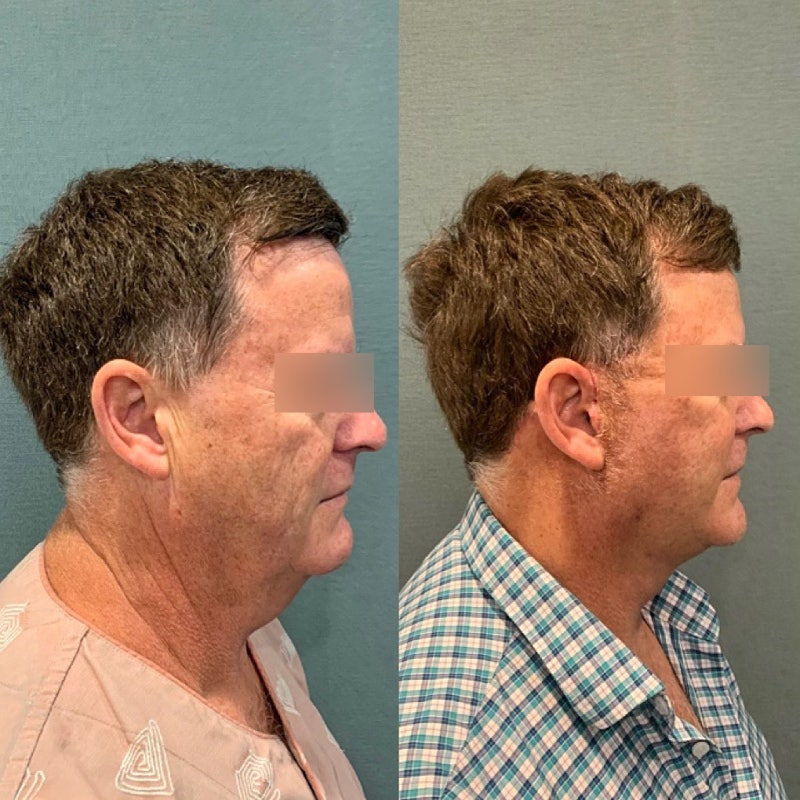
Some places simply say ‘we'll lift it up’,
while others explain the facial layer structure and direction of movement in detail.
This difference often leads to actual differences in results.
Another important aspect is the explanation of incisions and scars.
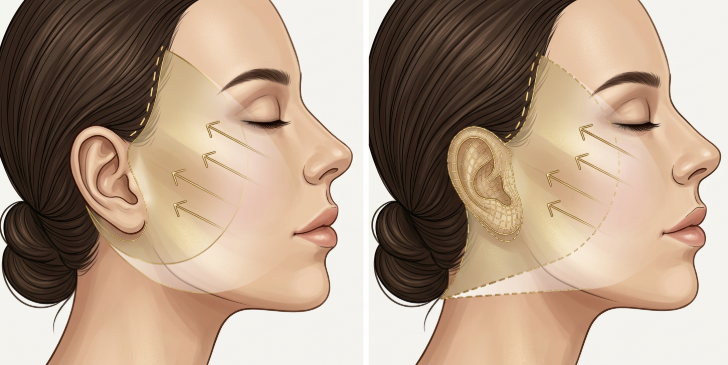
Incisions are made around the ear and along the hairline, and how these positions are designed can change the impression after surgery.
A facelift is not just a surgery where only the result matters; the process and judgment are equally important.
It is much more helpful to use your understanding of the explanation as a criterion.
-Operating Hours-
Weekdays 9:00 ~ 18:00 Saturdays 9:00 ~ 16:00 Public Holidays / Sundays Regular Day Off |
-Contact Us-
Faceplus Plastic Surgery Clinic | ||
Consultation Phone: 02-541-8500 Inquiries: KakaoTalk Inquiry |
-Directions-
A good facelift hospital
A good facelift hospital
Frequently Asked Questions
What kind of surgery is a facelift?
A facelift is not simply a skin-tightening surgery. It's a procedure that repositions the deep layers of the face, including the SMAS and soft tissues, upwards to refine sagging cheeks and jawline, and improve facial proportions.
What is a deep plane facelift?
A deep plane facelift involves dissecting below the SMAS layer to move the deep structures of the face together. This method is characterized by natural movement of the skin and muscles, and stable lifting results.
Why is the SMAS layer important in facelift surgery?
It is crucial to move the SMAS layer and the structures beneath it together. While methods that only pull the superficial skin may show initial changes, they often sag again over time or result in unnatural expressions. Addressing the SMAS layer, however, can achieve natural and long-lasting results.
What should I check when choosing a hospital for a facelift?
When choosing a hospital, you should ensure that you can receive detailed explanations about the layered structure of the face and the direction of movement. It is also important to thoroughly understand the design and explanation regarding incision locations and scars.
How long do facelift results last?
The duration of results varies significantly depending on the surgical method. Methods that only pull the superficial skin often show initial changes but tend to sag again over time. Conversely, methods that reposition the SMAS layer and deep structures together are more advantageous for maintaining stable and natural results for a longer period.